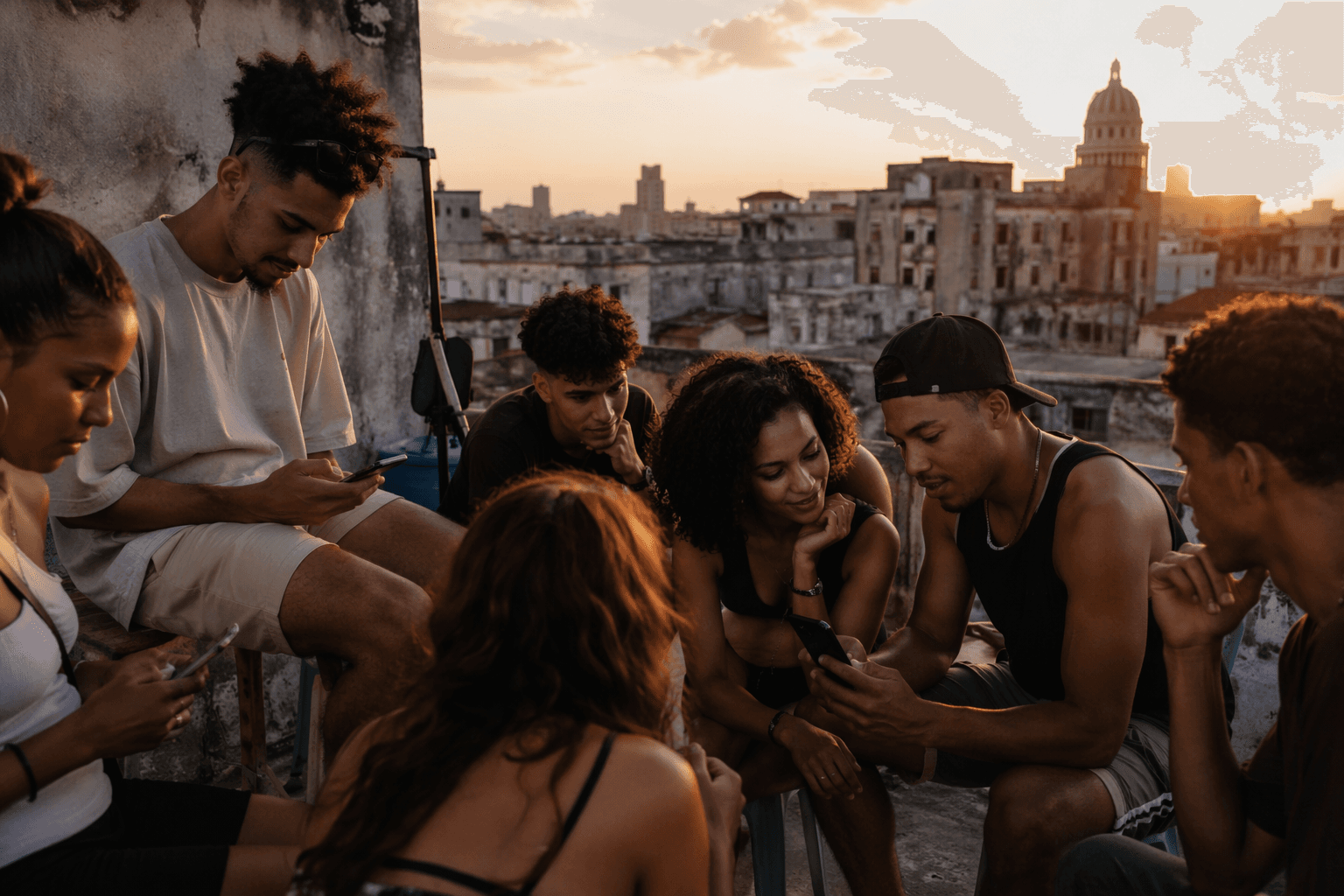
Cuban activists face digital harassment, account shutdowns after state threats
After a State Security warning, Yamilka Lafita’s phone began killing off WhatsApp, Gmail and other accounts, wiping photos, contacts and years of aid work.
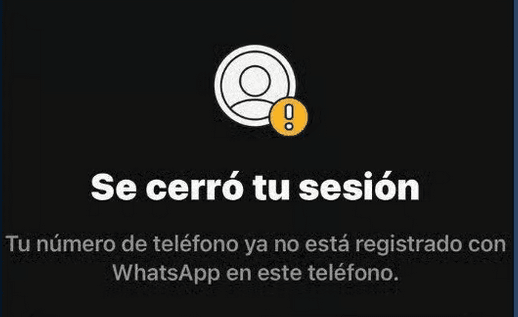
Yamilka Lafita’s phone started shutting itself down one app at a time. WhatsApp disappeared first, then Gmail, then two accounts tied to Cuban phone numbers vanished within minutes, leaving the activist known online as Lara Crofs locked out of the tools she used to report, organize and keep an aid network alive.
The timing made the message hard to miss. The day before the disruption, a State Security officer who identifies himself as Luisito, and whose real name is Ariel Arnau Grillet, sent Lafita an SMS saying, in effect, that he was watching her and that there would be no trip to Santiago de Cuba. Two weeks later, a second WhatsApp account and her Telegram account were also shut down.
Lafita said she lost countless photos of her deceased mother, her contact list and almost the entire aid project she had been building since 2021. That is the real edge of this kind of pressure in Cuba: it does not just interrupt a chat thread or freeze a login. It can erase memory, sever trust and blow up the record of years of mutual help in one sweep.
The advice she got from computer specialists pointed to the bigger trap. They told her the safest route was to use phone numbers from outside Cuba, disconnected from ETECSA, the state telecommunications monopoly. Freedom House says Cuba’s internet connections are only available through ETECSA, remain poor and expensive, and are built on infrastructure that is entirely government-controlled. In May 2025, ETECSA abruptly tightened ordinary data plans and pushed extra data prices well beyond the monthly minimum wage.
This playbook has precedents. During the July 2021 protests, researchers documented blocks on WhatsApp, Telegram, Signal and other platforms. Internet Society Pulse said the government blocked access to messaging apps to disrupt mobilization and communication, while NetBlocks reported disruptions to WhatsApp, Facebook, Instagram and some Telegram servers on the government-owned ETECSA and Cubacel network.
The pressure has kept spreading. CPJ reported in October 2024 that Cuban state security agents questioned at least eight journalists and media workers from non-state outlets, pushing several to flee the country. In April 2025, CPJ said Cuba’s new Law of Social Communication, which took effect on October 4, 2024, effectively criminalized journalism outside official state media. In April 2026, Lafita said State Security was trying to fabricate a criminal case against her, and she was detained in Havana on April 18.
That is why a disabled account in Cuba is never just a tech problem. When WhatsApp, Gmail or Telegram starts collapsing on its own, the target is not only one activist’s phone. It is the reporting, the backups, the contacts and the evidence that keep a civic network breathing, until the phone itself becomes another arm of pressure.
This article was produced by Prism’s automated news system from verified source data, official records, and press releases, then run through automated quality and moderation checks before publishing. The system is built and supervised by the people who set the standards it runs under. Read our full AI policy.
Did this article answer your question?