Cuban Doctors Face Deserter Labels, Family Separation After Missions End
Cuban doctors stranded when host countries cancel mission contracts risk an eight-year ban from their homeland if they refuse Havana's recall order.
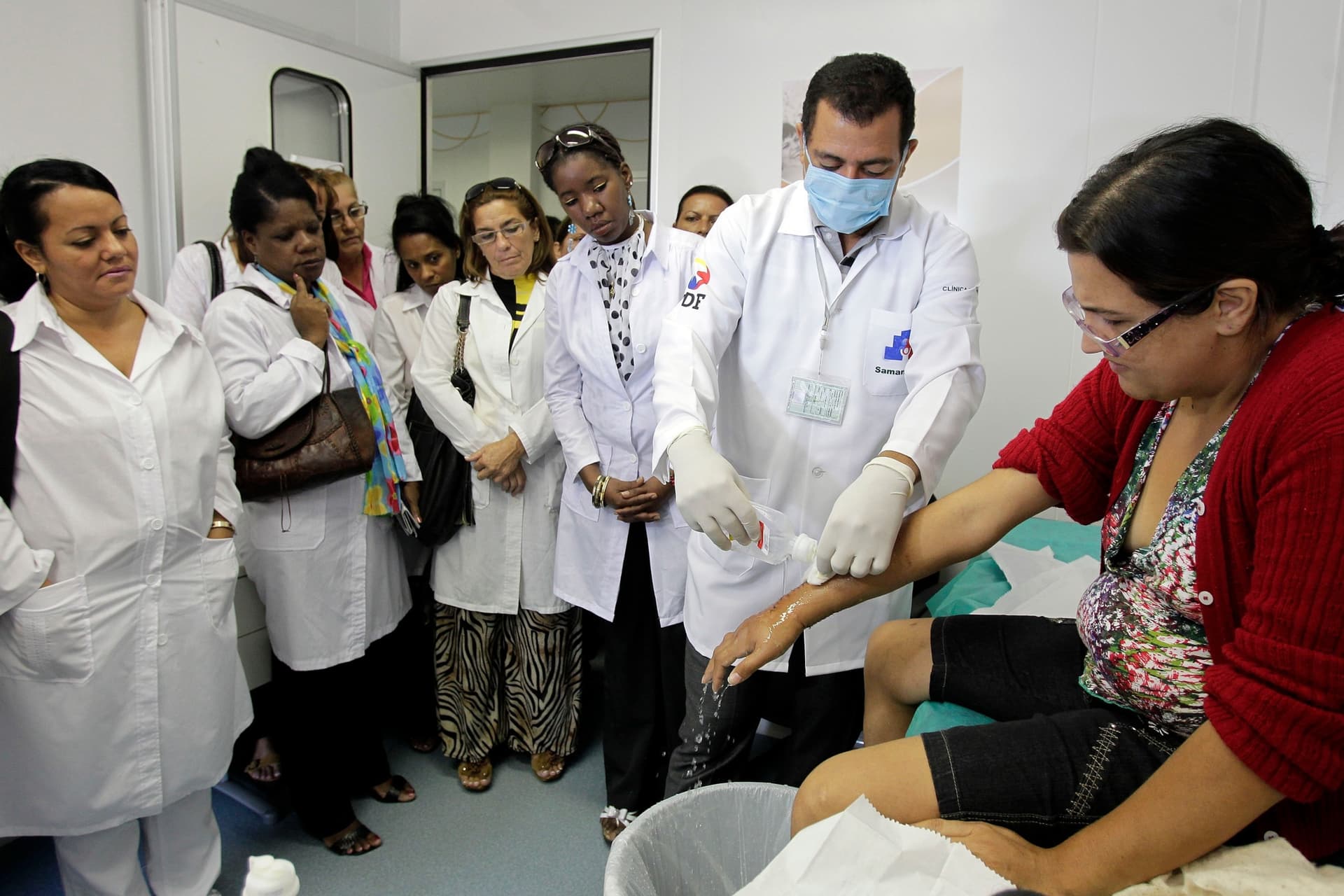
When a medical mission contract ends and the host country doesn't renew it, Cuban doctors face a choice with no good options: return to an island where they'll earn a fraction of what they made abroad, or stay and risk being formally labeled a deserter by the Cuban government, triggering a ban on returning home for up to eight years.
That choice became urgent across at least five countries this year as Guatemala, Jamaica, Honduras, Guyana, and Antigua and Barbuda each canceled or declined to renew bilateral agreements with Havana, largely under U.S. diplomatic pressure. The collapse of those arrangements left dozens to hundreds of Cuban health professionals in legal limbo, their status unresolved by host governments that must now weigh Washington's position against their own healthcare systems' reliance on Cuban labor.
The financial arithmetic behind the decision to stay is stark. Activist accounts and documented testimony indicate that Havana withholds roughly 85 percent of what host governments pay for Cuban mission workers, remitting only a fraction directly to the professionals themselves. That structure, which the U.S. State Department formally designated as forced labor, gave doctors who saw an opening abroad a powerful economic incentive to remain even after the official mission ended.
Outcomes diverged sharply by country. In Jamaica, 277 Cuban health workers were reported to have returned home after their mission concluded. Guatemala told a different story: local support groups promoted what they call "Green Teams," integration projects designed to absorb Cuban professionals directly into the national health system outside Havana's bilateral arrangement. Advocates also held a meeting in Washington with Guatemalan embassy representatives to explore legal pathways that would regularize affected doctors' immigration status locally.
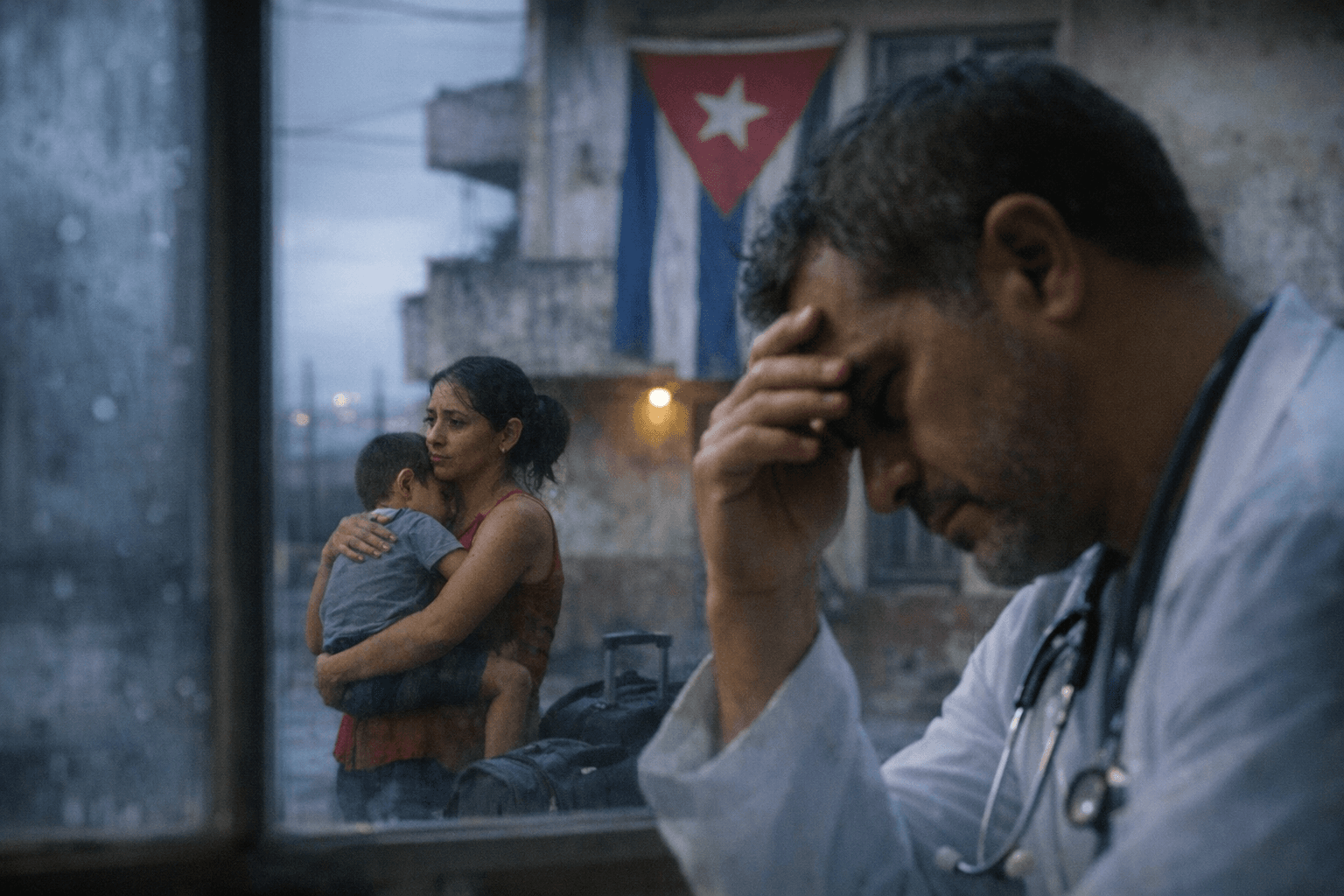
For those who chose to remain without authorization, Havana's response was consistent and documented. The state classified them as deserters or traitors, and the penalties extended well beyond the eight-year entry ban. Family members left behind in Cuba became leverage, and human-rights organizations working with affected professionals described the regime's surveillance apparatus as an active constraint on free decision-making even after workers had physically left Cuban territory.
Migration counselors and NGOs framed the situation as simultaneously a human-rights crisis and a migration policy gap: host governments that canceled Cuba's mission contracts inherited a population of skilled health workers with no clear legal standing, facing retaliation if they returned and uncertain protection if they stayed. The Guatemala "Green Teams" model represented one attempt to convert that gap into something workable, but it remained a local initiative without regional backing or institutional permanence.
The broader diplomatic context sharpened everything. Cuba's medical brigade program functioned for decades as a hard-currency revenue source and foreign-policy instrument for Havana, but successive U.S. administrations worked to dismantle it by pressuring partner governments to cancel contracts. As more agreements lapse without renewal, the number of Cuban health professionals forced into this decision is likely to grow, and neither the host governments nor international organizations have yet produced a coherent legal framework to meet them on the other side.
This article was produced by Prism’s automated news system from verified source data, official records, and press releases, then run through automated quality and moderation checks before publishing. The system is built and supervised by the people who set the standards it runs under. Read our full AI policy.
Did this article answer your question?