Cuban farmer says energy shortages are crippling food production in Las Minas
In Las Minas, Eduardo Obiols Sobredo said fuel cuts turned a 15-minute job into a three-day grind, slowing food production across Cuba.
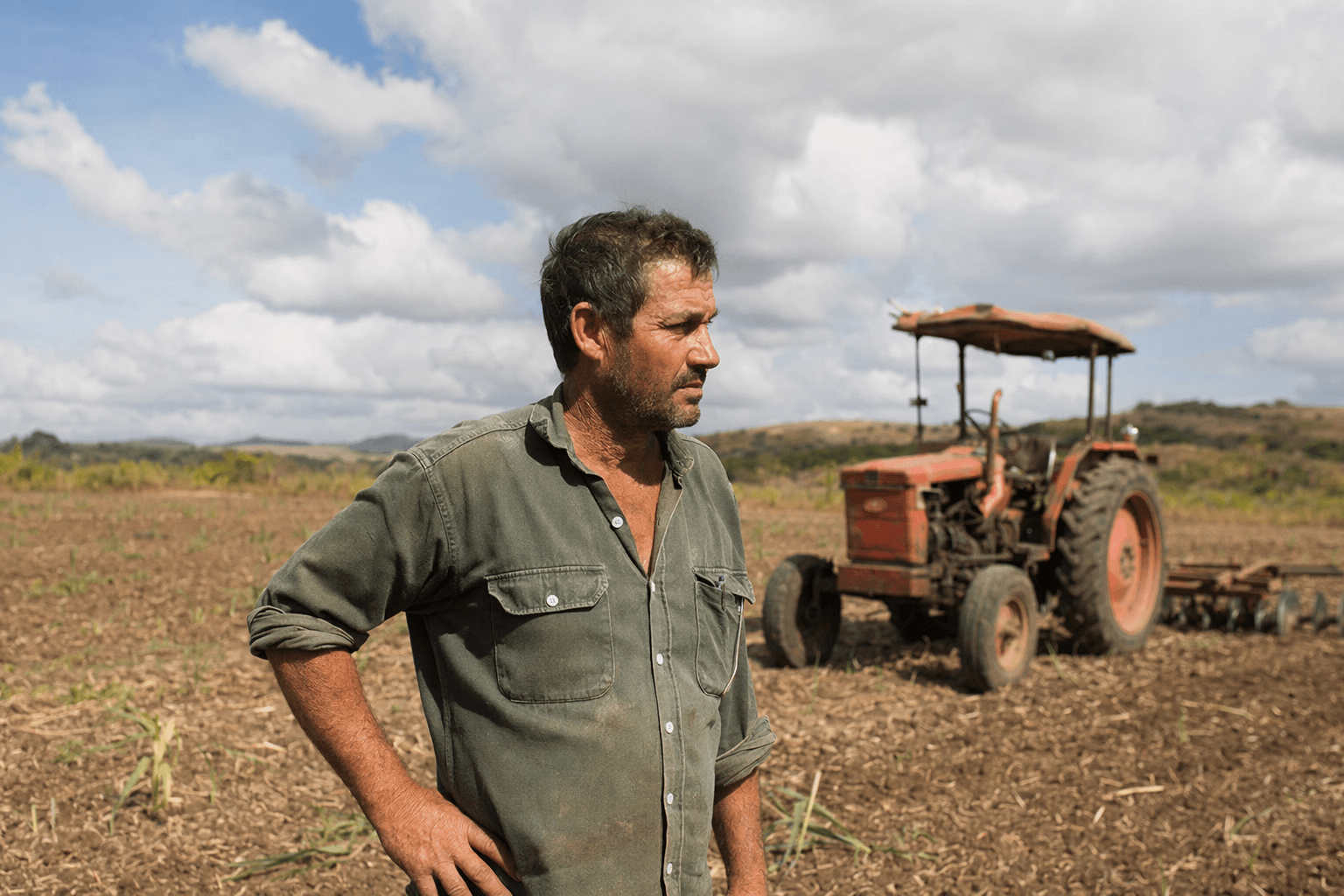
Eduardo Obiols Sobredo used to clear his land in Las Minas in about 15 minutes with machinery. Now, the 58-year-old farmer in Havana province said the same work takes at least three days, a punishing change that has turned Cuba’s energy shortage into a direct threat to food production and daily survival. He said January was the last time he received the usual monthly gasoline supply from the government.
On his plot, the impact is visible in every direction. Obiols Sobredo grows tomatoes, sorghum, cassava and other crops, and raises goats whose milk is served at schools. But with sweeping power cuts, water outages and severe gasoline shortages, much of the machinery is effectively silent. Farmworkers are moving by ox cart where they can, others by tractor where fuel still exists, and the rest of the work is being done by hand, repairing fences and fields piece by piece.
Las Minas has 65 farmers and only 18 oxen, a mismatch that captures how far Cuba’s farm system has been pushed backward. Obiols Sobredo said the strain is emotional as well as physical, because crops that took months of work can spoil before they reach the people who need them. In a country that can still grow food, the harder problem is moving water, machinery and harvests with fuel that is no longer reliable.
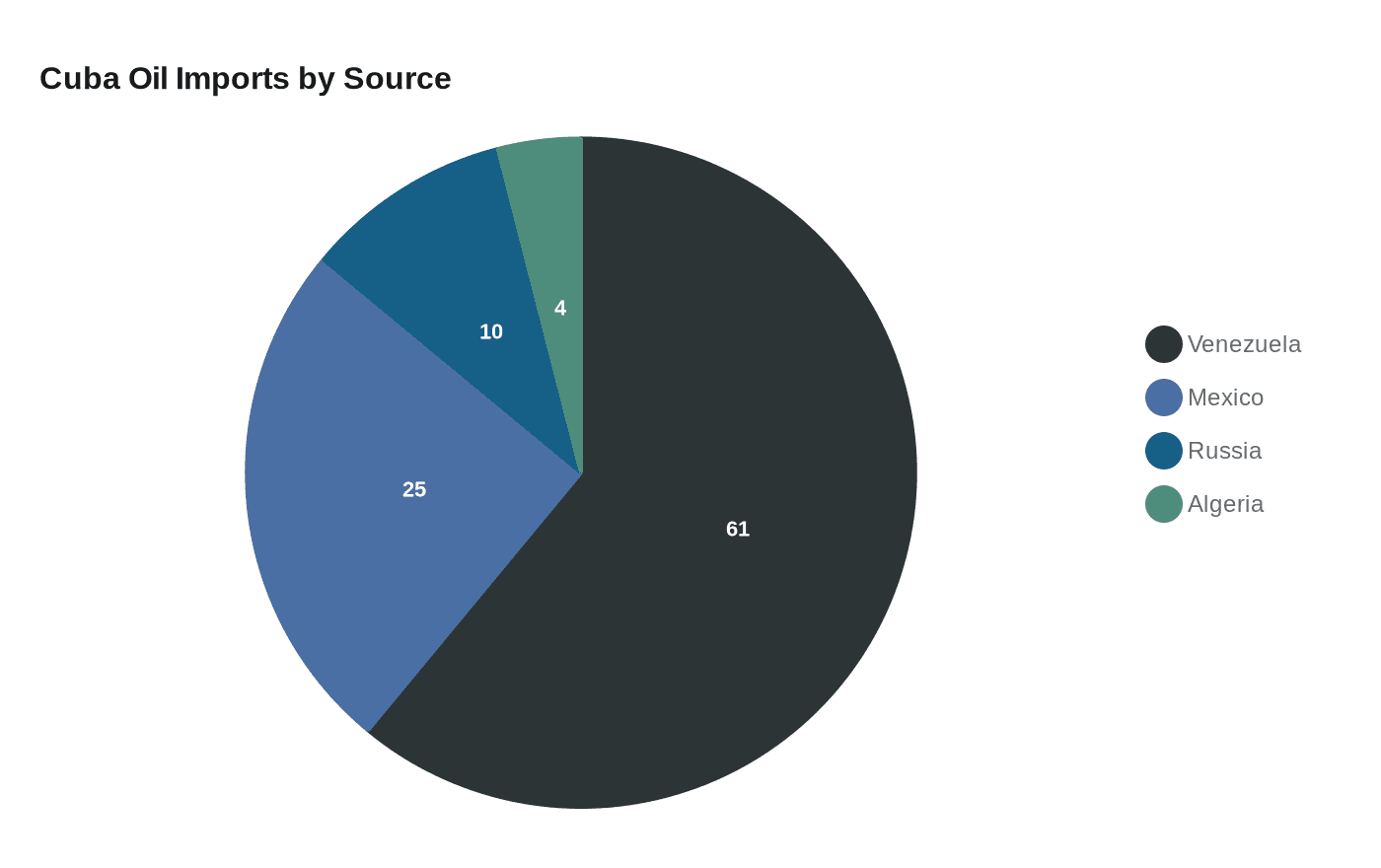
The wider crisis reaches well beyond one farm. ACAPS and ReliefWeb said about nine million people in Cuba were affected by the fuel emergency, with daily blackouts lasting 12 to 20 hours and sometimes 48 to 72 hours. The briefing said Cuba endured three national blackouts in March, while domestic production covered only about 40% of an estimated daily need of 100,000 barrels. Venezuela supplied 61% of Cuba’s oil imports in 2025, followed by Mexico at 25%, Russia at 10% and Algeria at 4%.
The humanitarian fallout has spread into hospitals and water systems. The United Nations said Cuba’s plan aims to support around two million people across eight provinces, after more than 96,000 surgeries were left pending, including 11,000 for children. Roughly one million people depended on water trucking constrained by diesel shortages. Cuba’s foreign ministry said a 29 January U.S. executive order authorizing punitive tariffs on countries that directly or indirectly provide oil to Cuba was an attempt to embargo fuel supplies, while the World Food Programme said chronic fuel shortages and power outages have already hindered food targets and left only four of Cuba’s ten main agricultural staples on track by mid-2024.
This article was produced by Prism’s automated news system from verified source data, official records, and press releases, then run through automated quality and moderation checks before publishing. The system is built and supervised by the people who set the standards it runs under. Read our full AI policy.
Did this article answer your question?