Merz rejects military intervention in Cuba amid deepening crisis
Merz ruled out military intervention in Cuba as Germany warned travel is unsafe, citing blackouts and an energy crisis that is hitting medical care.
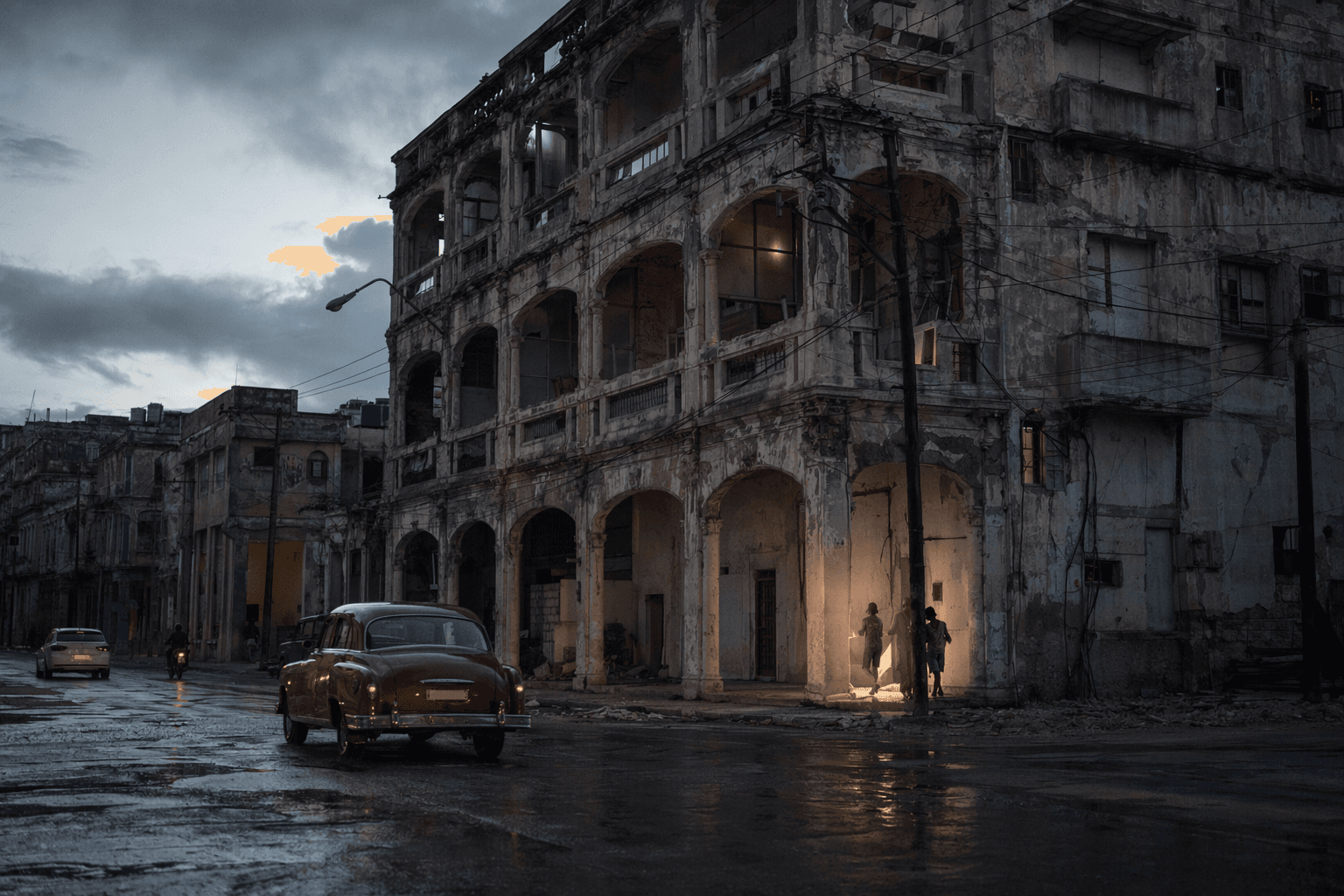
Friedrich Merz has drawn a hard line on Cuba: no legal or strategic case exists for military intervention, even as Germany acknowledges the island’s internal crisis. That puts Berlin far outside the most hawkish Cuba rhetoric and keeps the focus on Cuba’s worsening collapse, not outside force.
Merz, who became Germany’s 10th chancellor in 2025, is effectively separating two things that often get blurred in political debate: Cuba’s internal repression and economic breakdown on one side, and any claim that the island poses an external military threat on the other. His position lands at a moment when the crisis in Havana is no longer easy to dismiss as a domestic problem. It has become a humanitarian issue with international consequences.
Germany’s foreign ministry strongly discouraged travel to Cuba on March 18, 2026, citing an acute energy crisis that was already limiting medical care. A 29-hour national blackout in March laid bare how fragile the power grid had become. For families across the island, that meant more than inconvenience. It meant dark homes, disrupted routines and a health system struggling to keep basic services running.

The deeper political context runs back to July 11, 2021, when the largest anti-government demonstrations in decades broke out across Cuba. Protesters in Havana, San Antonio de los Baños and other cities were driven into the streets by shortages of food and medicine, the government’s pandemic response, economic contraction, authoritarian rule and the lack of civil liberties. Human Rights Watch later said it documented a pattern of abuse in more than 155 cases tied to the repression that followed. Amnesty International said that three years after the protests, Cuban authorities were still using repressive laws and tightening the screws on peaceful assembly and expression.
That is why Merz’s refusal matters beyond Berlin. For Cubans on the island, and for the diaspora watching the crisis from Miami, Madrid and elsewhere, it signals that the answer to Cuba’s collapse is not going to be a foreign military gamble. The pressure points remain political, humanitarian and diplomatic. The power cuts, the medical shortages and the repression are real. So is the fact that outside intervention remains a fantasy, not a policy.
This article was produced by Prism’s automated news system from verified source data, official records, and press releases, then run through automated quality and moderation checks before publishing. The system is built and supervised by the people who set the standards it runs under. Read our full AI policy.
Did this article answer your question?