Senate Democrats move to block Trump Cuba military action without approval
Senate Democrats are racing to force a Cuba War Powers vote before May 1, aiming to stop any Trump military move without Congress. The fight now reaches deep into the balance of power in Washington.
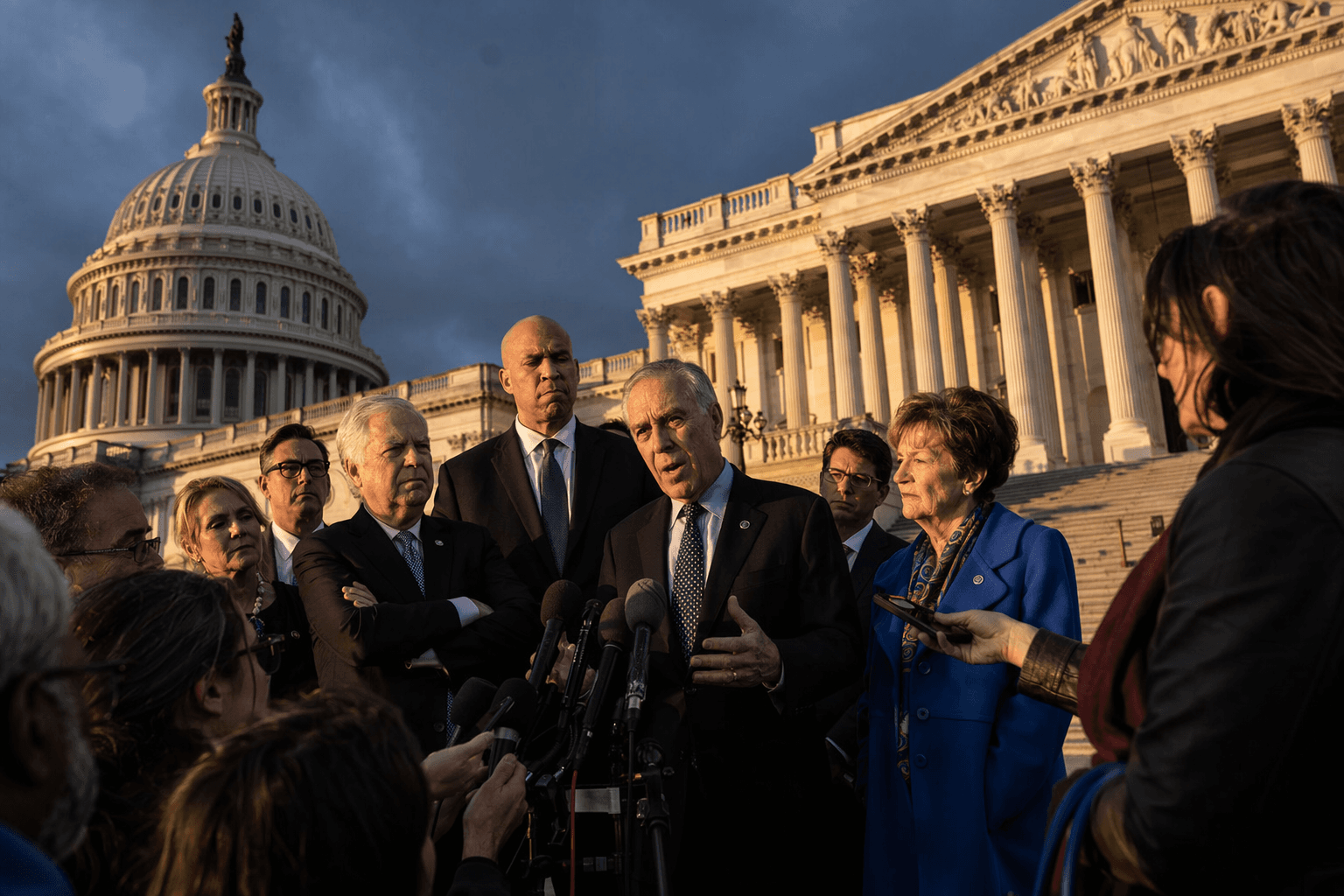
Senate Democrats are trying to force Donald Trump to come to Congress before any military action on Cuba, turning his threats into a War Powers fight that could reach the floor before May 1. The resolution, led by Tim Kaine with Adam Schiff and Ruben Gallego, would be the first real test of whether Senate Republicans will let Cuba become a live separation-of-powers battle instead of just another pressure campaign.
The measure, S.J.Res. 124, was introduced on March 12 and sent to the Senate Foreign Relations Committee. Its text says Congress has not declared war on Cuba, and it would treat any blockade or quarantine involving the U.S. Coast Guard or other armed forces as hostilities under the War Powers Resolution. Kaine has said the resolution is privileged and can be called up after 10 days, which is why aides were pointing to a floor vote as soon as the week after the April 24 report.
That timing matters because Trump has kept Cuba inside a wider regional pressure campaign, saying the island is next after Venezuela and Iran without publicly spelling out what he plans to do. Democrats say Congress has to reassert its constitutional role before the White House drifts from sanctions and rhetoric into force. The White House argues that limited operations can fall within the president’s commander-in-chief authority. For now, Republican leaders still control whether the Senate debate happens at all, and there is no sign enough GOP votes have moved to break the pattern of blocking similar measures.
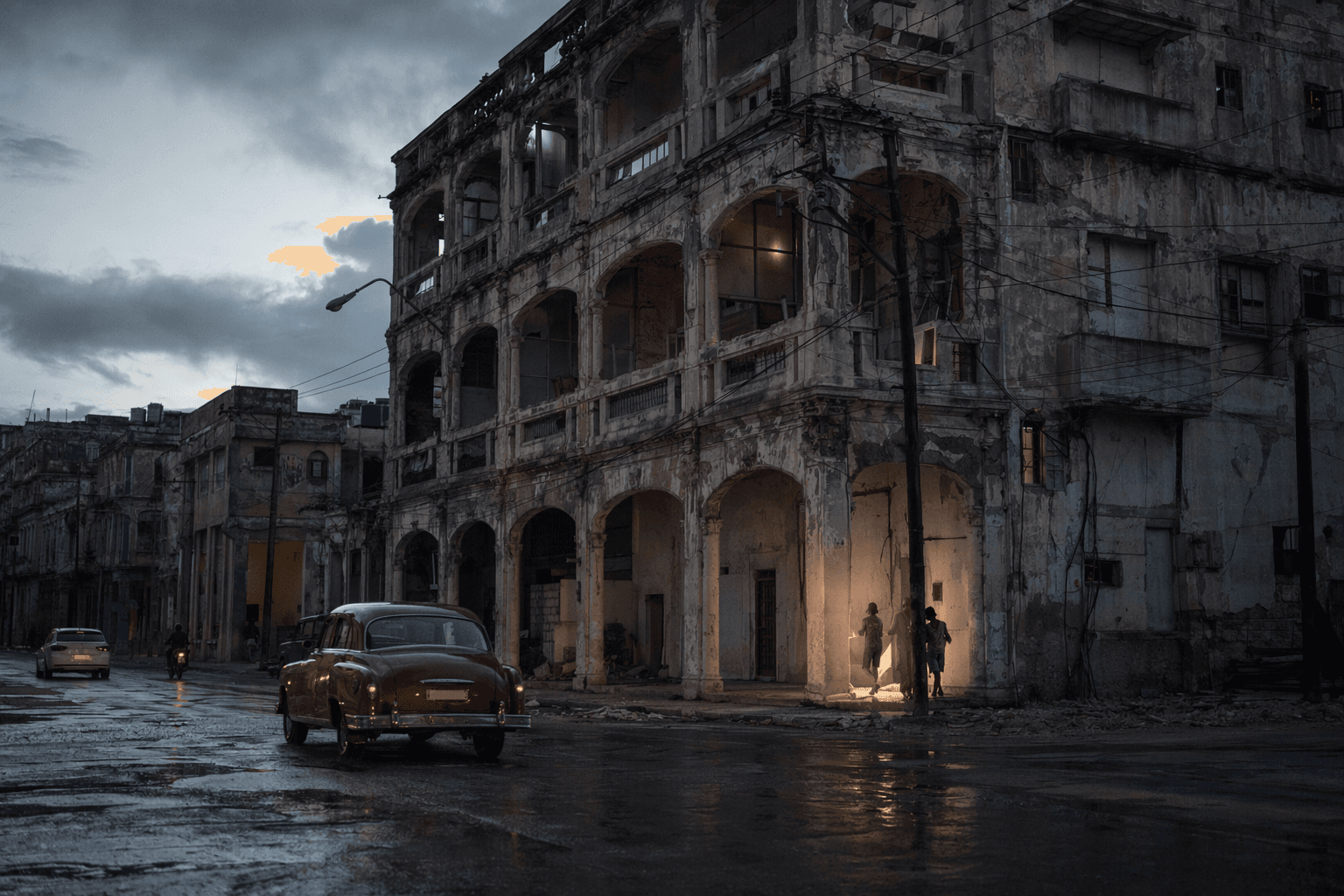
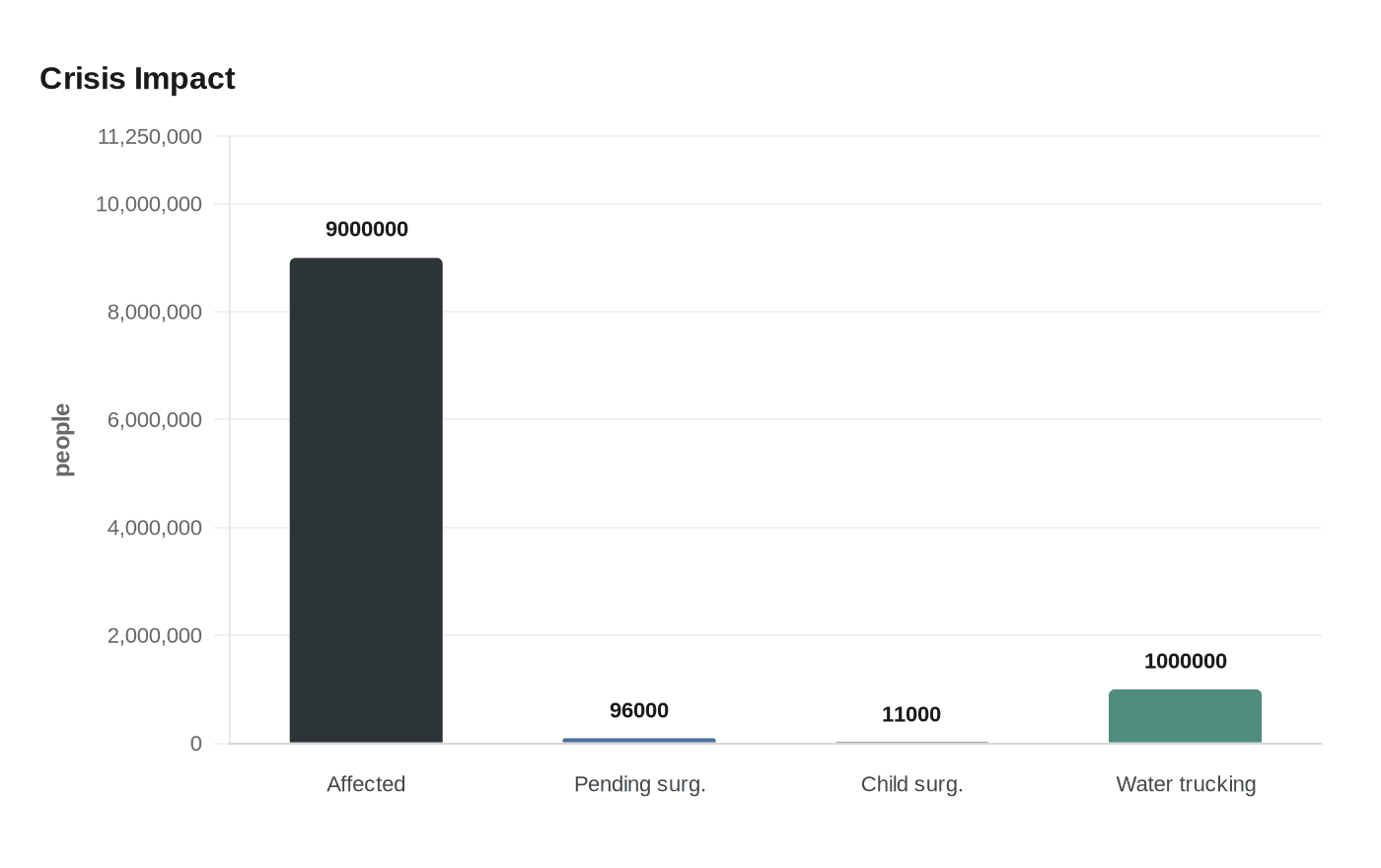
The stakes are not abstract in Havana. ACAPS says about nine million people in Cuba have been affected by the fuel crisis, with daily power cuts lasting 12 to 20 hours in many places and stretching to 48 to 72 hours during grid-collapse events. March brought three national blackouts. Domestic oil production covers only about 40% of an estimated daily need of 100,000 barrels, while 2025 supplies came mostly from Venezuela, Mexico, Russia and Algeria.
The island’s humanitarian strain has also sharpened the political risk. The United Nations said on April 6 that Cuba was facing an acute crisis, with more than 96,000 pending surgeries, including 11,000 for children, and about one million people dependent on water trucking. On April 10, U.S. and Cuban officials met in Havana, and the plane carrying the American delegation was the first U.S. government aircraft to land in Cuba proper since 2016. The Cuban side called the talks respectful, while the U.S. side pushed reforms, political prisoner releases, compensation claims, greater political freedoms and even floated Starlink terminals. That mix of diplomacy and military threat is exactly why the Cuba vote has become more than a symbolic gesture. It is now a test of how much war power Trump can claim before Congress says no.
Know something we missed? Have a correction or additional information?
Submit a Tip