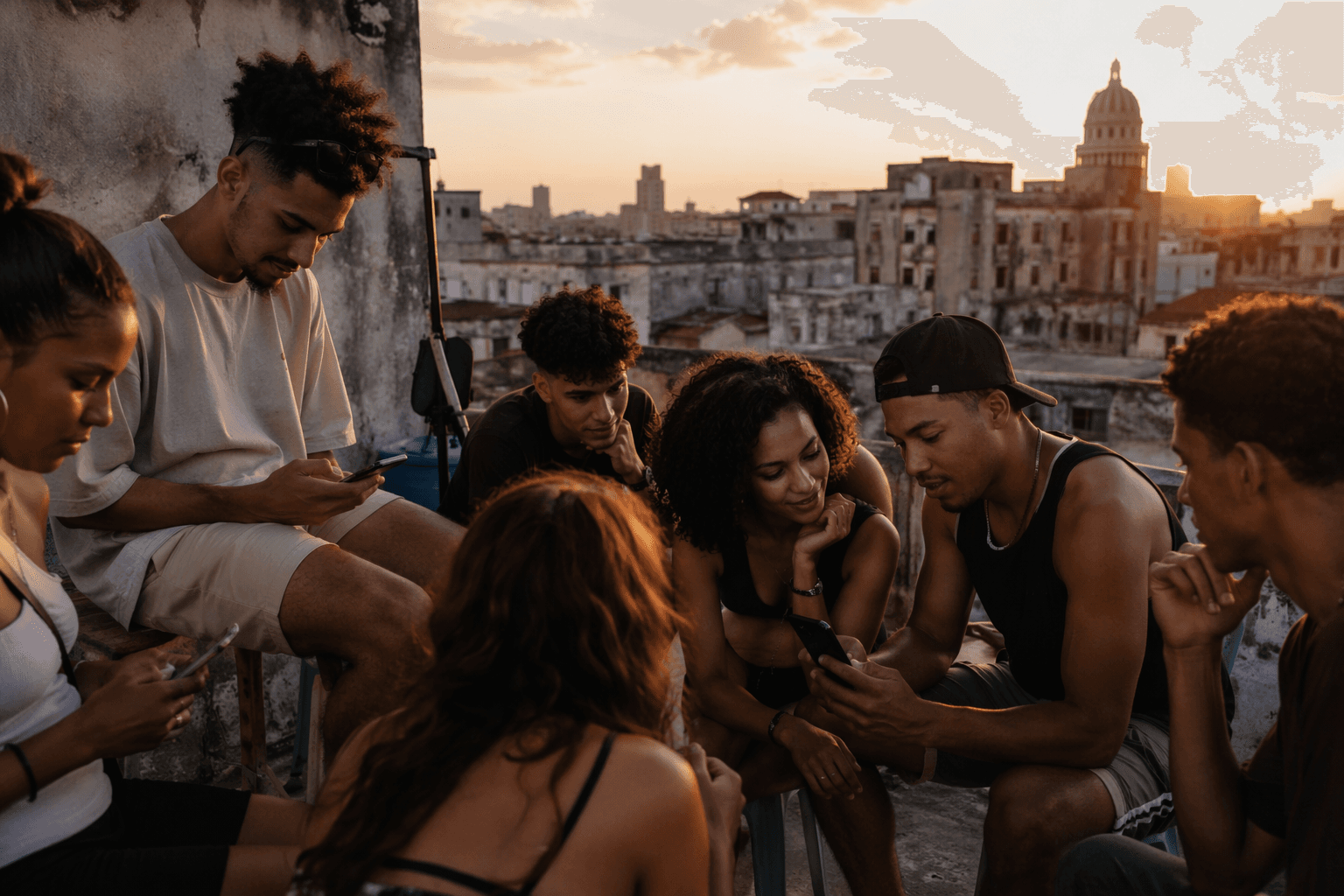
Cuban artist Choco dies in Havana, nation mourns his legacy
Choco, the Santiago-born painter who made Afro-Cuban imagery central to modern Cuban art, died in Havana at 76, leaving a national legacy.
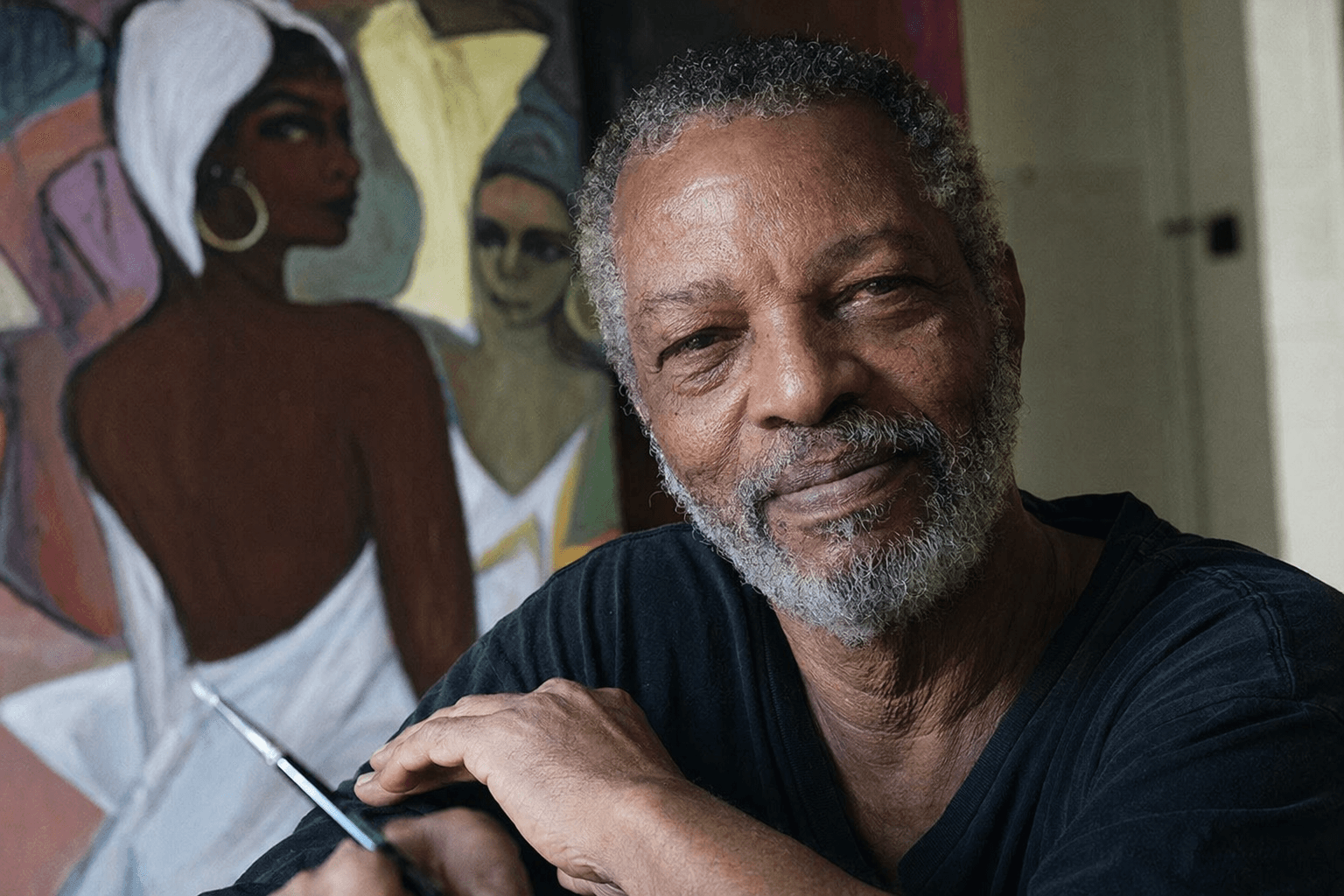
Eduardo Roca Salazar, known across Cuba as Choco, died in Havana on April 16, 2026, at 76, and his death cut deep because it marked the loss of one of the country’s clearest Afro-Cuban visual voices. Through vibrant paintings and engravings rooted in Black identity, spirituality and everyday Cuban life, Choco helped shape how the island saw itself, not just how it was shown to the world.
Cuban cultural institutions moved quickly to honor him. The Consejo Nacional de las Artes Plásticas announced his death and sent condolences to his family, friends and admirers. UNEAC mourned him as one of the great masters of Cuban art, while official accounts described him as a painter and engraver, a maestro de juventudes and one of the leading exponents of contemporary Cuban visual arts. Funeral honors included floral tributes in the names of Raúl Castro Ruz and Miguel Díaz-Canel Bermúdez, a sign of the state recognition attached to his work and his place in the national canon.
Born in Santiago de Cuba in 1949, Choco came through the island’s formal art system early. He graduated from the Escuela para Instructores de Arte in 1965 and from the Escuela Nacional de Arte in 1970, then later studied at the Facultad de Artes y Letras of the University of Havana. He taught in Havana and also gave engraving courses in Spain and the United States, extending his influence beyond Cuba while staying grounded in the visual language that made his work instantly recognizable.
His record of awards tracked that standing. Choco received the Premio Nacional de Artes Plásticas in 2017, one of Cuba’s highest honors in the field. Before that, UNEAC had already awarded him drawing prizes in 1985 and 1986, and he also received prizes in Bulgaria and Spain. The Museo Nacional de Bellas Artes de Cuba says his work belongs to the patrimony of numerous cultural institutions around the world, a reminder that his reach moved far beyond the island’s borders.
That is why Choco’s death matters now. Cuba has lost not only a celebrated artist, but a major interpreter of Afro-Cuban memory and national culture at a moment when the country continues to argue over what gets preserved, honored and remembered. Choco’s images did that work in paint and ink for decades, and they remain part of the visual record of modern Cuba.
This article was produced by Prism’s automated news system from verified source data, official records, and press releases, then run through automated quality and moderation checks before publishing. The system is built and supervised by the people who set the standards it runs under. Read our full AI policy.
Did this article answer your question?