Cuban Households, Cooperatives Rush to Solar as Fuel Shortages Bite
Cubans are installing rooftop PV, microgrids and batteries to keep lights, phones and clinics running as blackouts lengthen and diesel runs short.
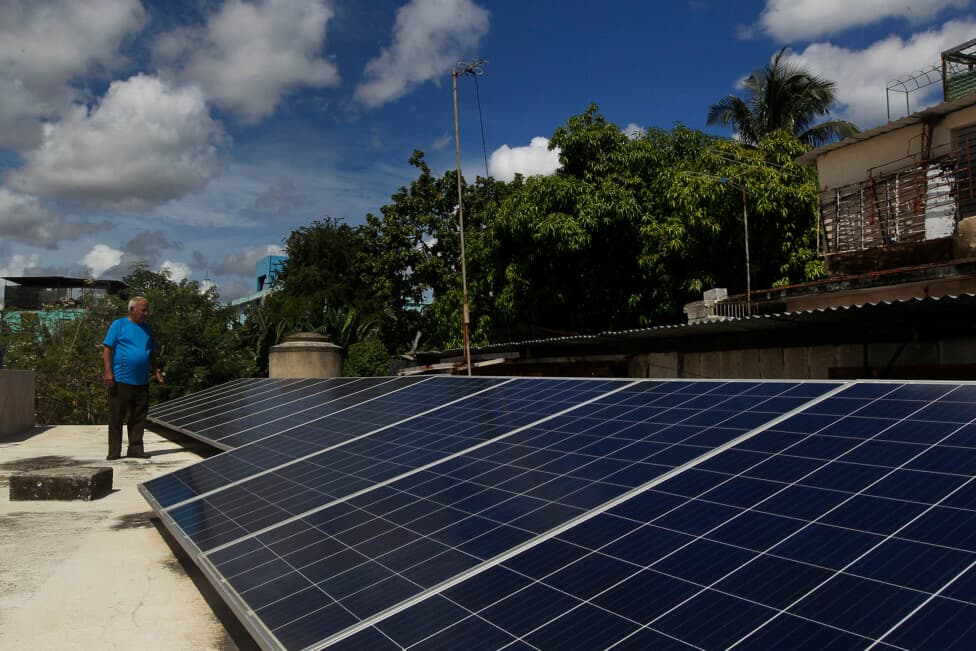
Cubans are scrambling to install rooftop photovoltaic panels, community microgrids and battery storage to keep businesses open and basic household appliances running as long electricity outages become routine. Reuters reported that "Cubans are increasingly turning to solar power to keep businesses running and basic household appliances on during long electricity outages, as fuel shortages make diesel generators and other stopgap options harder and more expensive to use."
Across Havana and other cities private shops, cooperatives and clinics have become the first adopters. The Independent relayed installer Raydel Cano's assessment that "Private businesses see themselves obligated to install panels"; Cano works in homes and private businesses throughout the Cuban capital Havana. Photographs show technicians Denis Tamayo, 30, and Alejandro Guerra, 30, carrying panels on rooftops as installers race to meet rising demand.
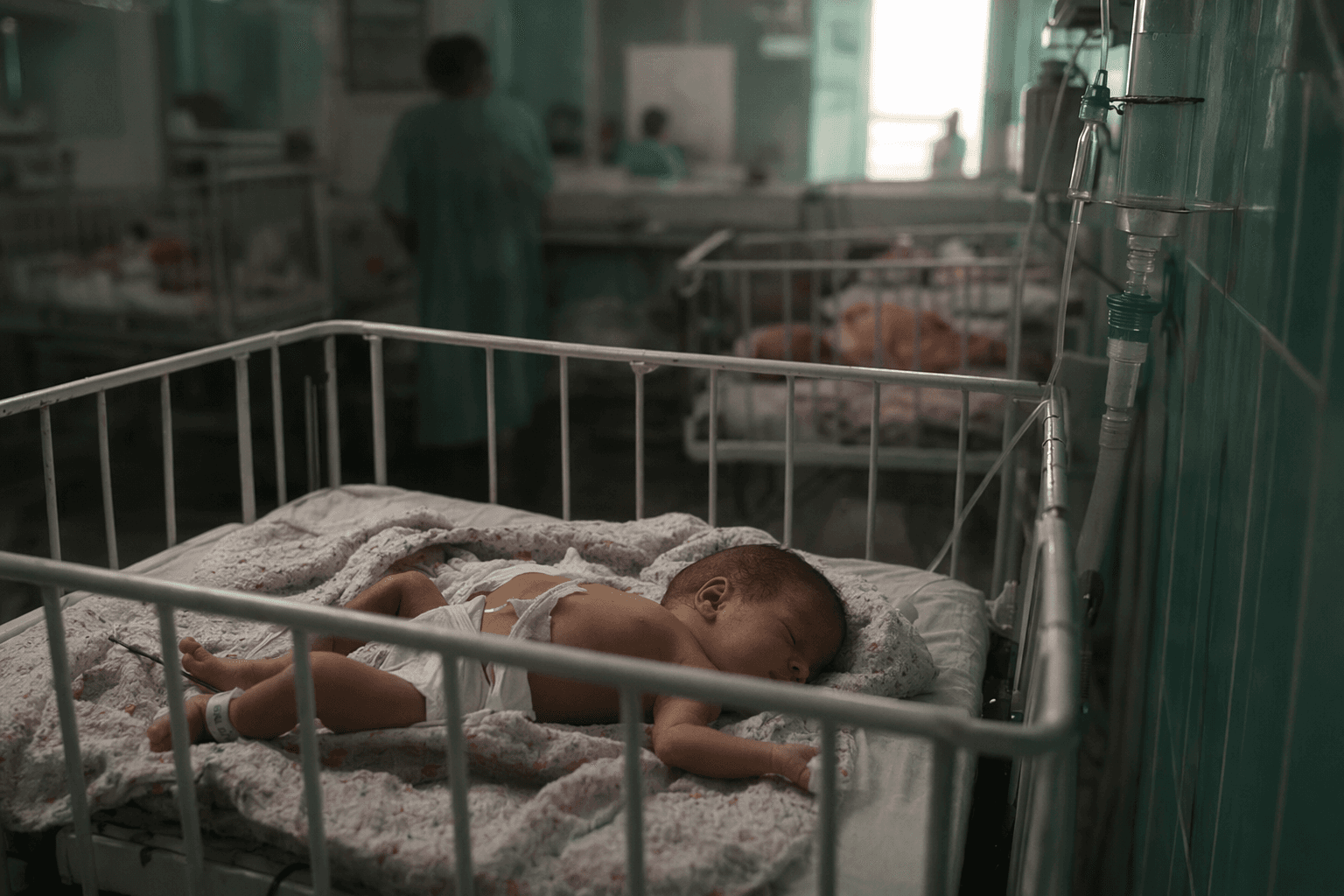
Household stories underline the stakes. The Independent quoted a user identified only as Mr Sarriga saying, "The idea was to at least have the basics covered," after panels enabled internet access, phone charging and a television that powers his elderly mother's favorite soap operas. ABC News reported that solar panels have been installed in clinics where electricity is critical for cardiovascular, oncology and kidney treatments, and that authorities are prioritizing care for children and the elderly as supplies tighten.
The crisis driving the shift is both immediate and structural. Pvknowhow reported that rolling blackouts "sometimes lasting up to 24 hours, have become a part of daily life" and that Cuba's 2024 National Energy Transition Strategy aims to generate electricity from domestic resources with heavy emphasis on renewables. Pvknowhow also estimates that "the complete energy transition is estimated to require between $8 billion and $10 billion over the next decade, a staggering sum for the nation’s strained economy."

Affordability limits how far rooftop solar will spread. The Independent notes panels are imported and sold in dollars and are "well out of reach of most Cubans," so installations are concentrated among private business owners and families receiving remittances. The Independent also reported a government move to waive personal taxes for up to eight years for business people who undertake renewable energy projects, a measure aimed at encouraging further private investment.
Fuel supply has tightened sharply. ABC News reported that "Cuba, which produces only 40% of its own fuel and largely depends on oil to power the island, has long relied on allies like Venezuela, Mexico and Russia to fill its energy deficit. But those shipments have now dried up." With diesel scarce and costly, businesses and health centers are accelerating the shift to solar even as the nation faces a multi-billion dollar bill to transform generation and storage at scale.
Know something we missed? Have a correction or additional information?
Submit a Tip