Cuban street vendor jailed after protesting fines, video of outburst goes viral
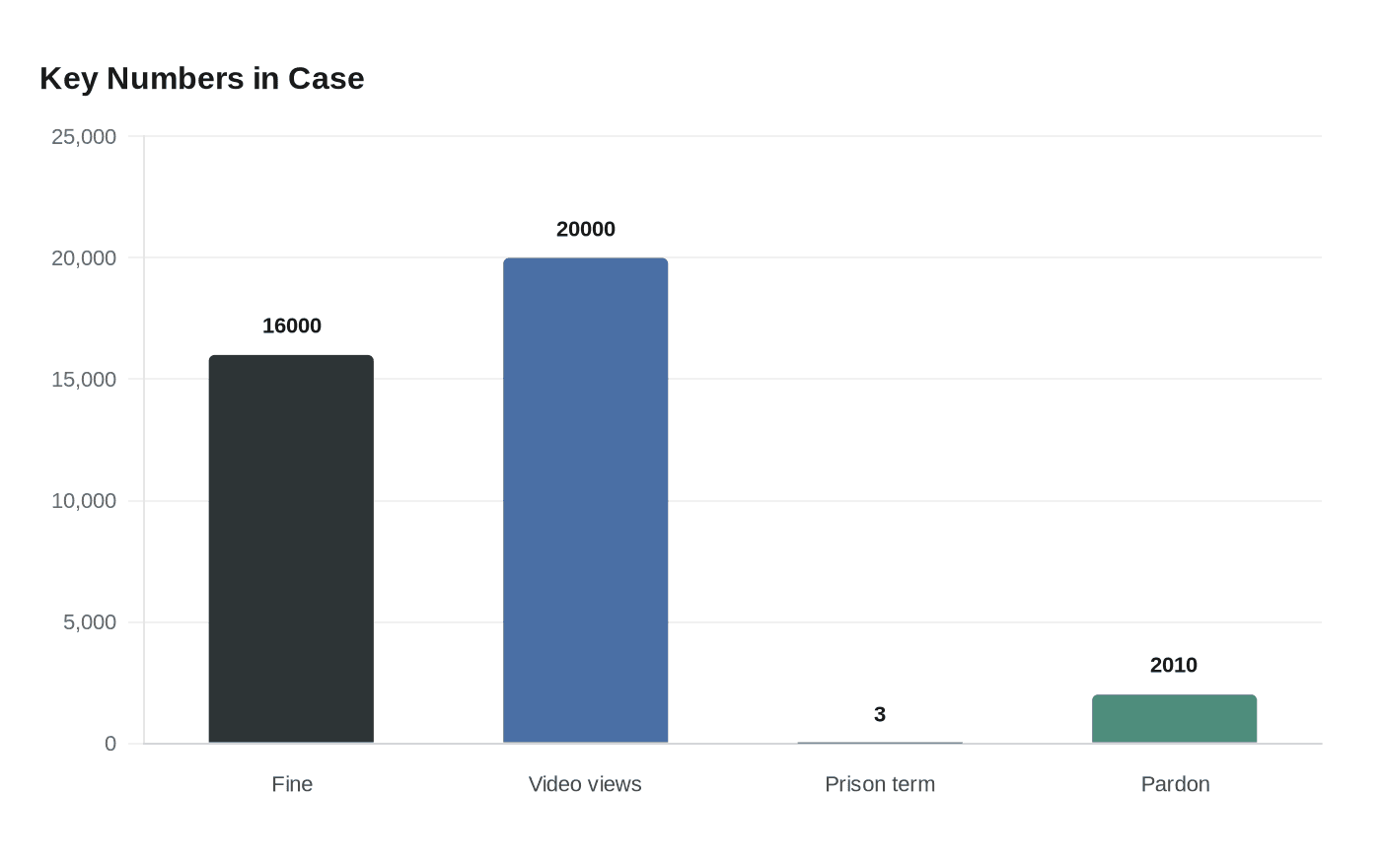
A 16,000-peso fine for selling sweet potatoes sent Alexeis Serrano Águila and his wife into a viral protest, then straight into detention. The clip drew nearly 20,000 views.

Alexeis Serrano Águila was trying to make a living selling sweet potatoes in Palma Soriano when a 16,000-peso fine turned a street hustle into a criminal case. The penalty, imposed on April 11, was described as about two and a half times the average monthly salary, a blow sharp enough to push the vendor into open defiance in front of his own home.
On April 12, Serrano raised his hands in a sign for freedom and shouted against the government and Miguel Díaz-Canel while his wife, Delis Frometa Suarez, filmed the scene and posted it online. The video spread fast, drawing nearly 20,000 views on Facebook, and the couple’s brief outburst became the kind of clip Cubans know too well: one minute of anger, then a security response that arrives much faster than relief.
Police arrested Serrano at home on the morning of April 13 without an arrest warrant, then detained his wife after she tried to find out what had happened to him. Both were being held incommunicado and could face contempt charges for publishing the video and demanding their rights. Cubalex said the couple could face up to three years in prison if the desacato allegations are confirmed.
The human cost reaches beyond one fine or one video. Serrano is described as the only son able to help an elderly grandmother who lives with diabetes and a psychiatric disorder, while Frometa Suarez also has serious health problems. What began as an argument over a street vendor’s right to sell produce has become a portrait of how quickly poverty in Cuba can be converted into punishment, especially when frustration spills into public view.
Rights groups say the case fits a broader pattern. Cuba’s current Penal Code was approved in May 2022 and took effect on December 1, 2022, and critics say its vague offenses, including contempt and online-speech-related crimes, give authorities broad room to punish dissent. ICLEP documented 112 aggressions against freedom of expression and press in April 2025 and called 2025 the most repressive year in the last three-year period. Amnesty International said on April 15 that Cuba had announced a pardon for 2,010 people on April 2, but had not published a complete official list, leaving the process opaque and discretionary. Amnesty also said none of the prisoners of conscience it recognizes in Cuba had been released, as blackouts, fuel shortages and worsening living conditions continued to drive protests like the one in Morón in March 2026.
This article was produced by Prism’s automated news system from verified source data, official records, and press releases, then run through automated quality and moderation checks before publishing. The system is built and supervised by the people who set the standards it runs under. Read our full AI policy.
Did this article answer your question?