Cuba’s blackouts drive rapid solar shift backed by China
Blackouts have pushed Cubans to turn rooftops and even vehicles into lifelines, while China-backed solar capacity surged past 1,000 megawatts.
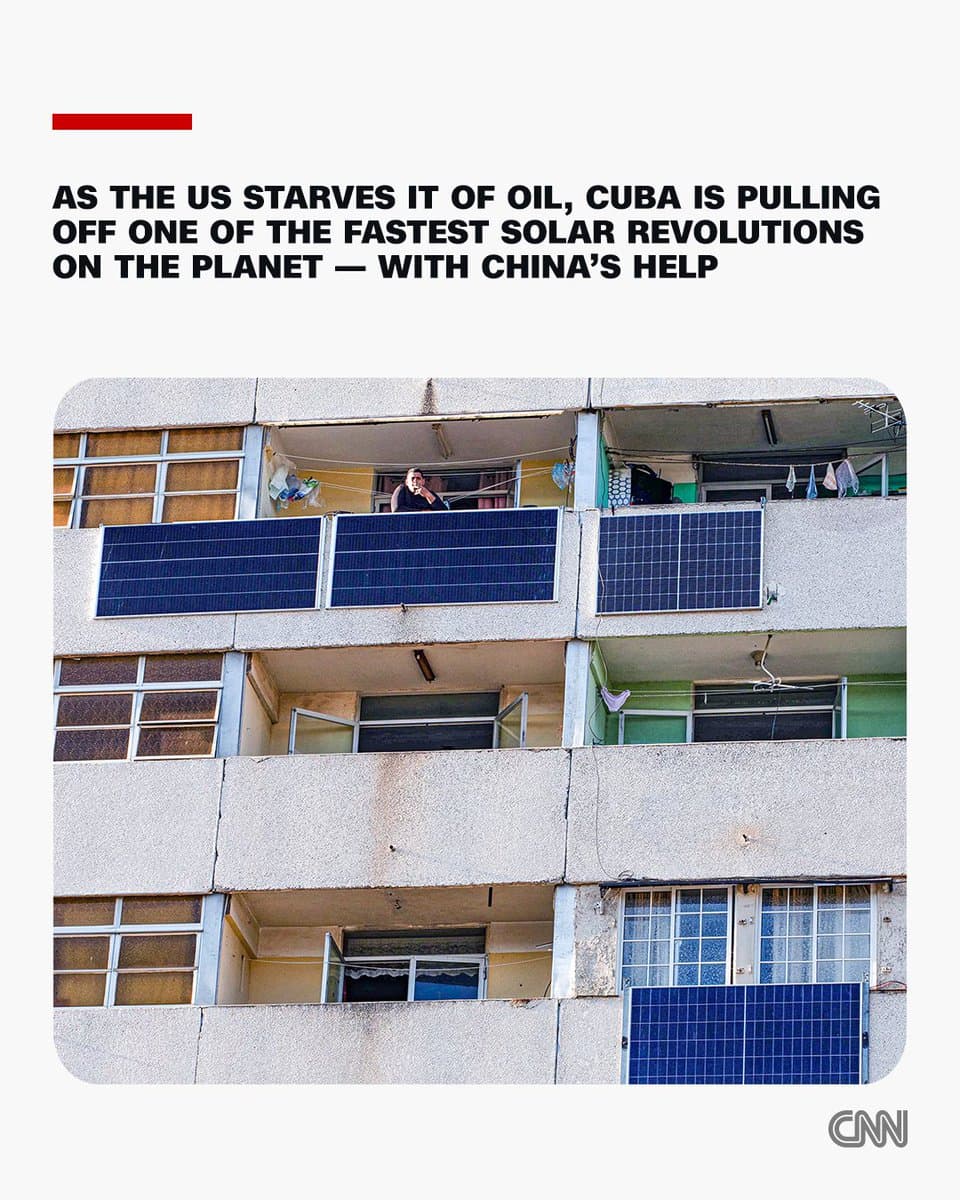
Cuba’s power cuts have become so punishing that solar panels are no longer a niche upgrade. They are the difference between a phone that stays alive, a freezer that keeps food, and a workday that does not collapse when the grid goes dark.
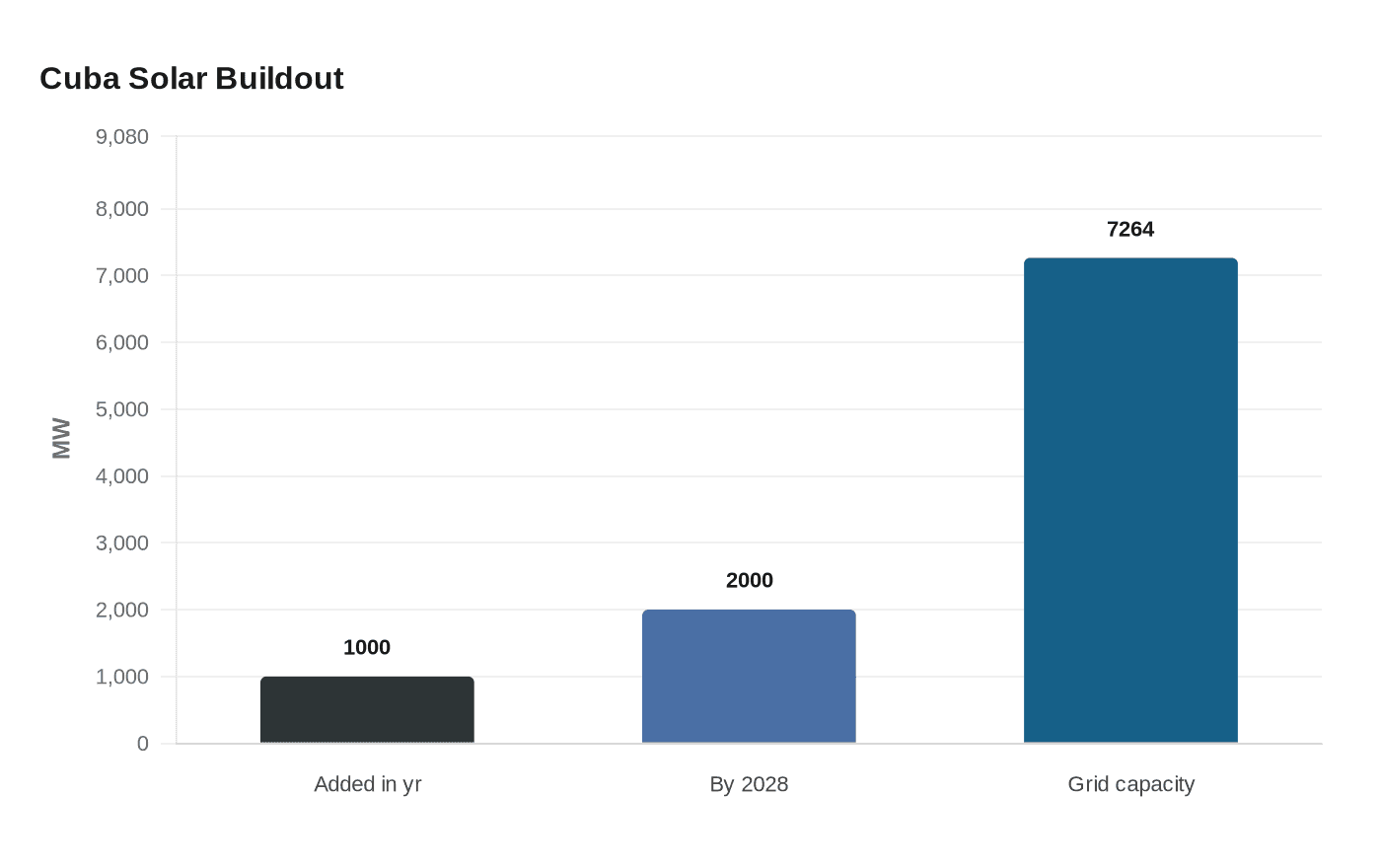
Across Havana and beyond, Cubans have been scrambling to put panels on homes, shops and vehicles as the island fights a fuel-starved electricity crisis made worse by the US oil blockade. In the past year, Cuba has added upwards of 1,000 megawatts of solar generation, backed by Chinese financing and equipment donations. The government has also moved to sweeten the deal, waiving personal taxes for up to eight years for businesspeople who invest in renewable-energy projects.
For many households, that shift is already practical, not abstract. Havana resident Roberto Sarriga said solar panels let him “keep internet access, charge my phone, and power a TV for my elderly mother.” That is the reality behind the clean-energy headlines in Cuba: a panel on the roof is less about climate branding than about keeping a family connected during the next blackout.
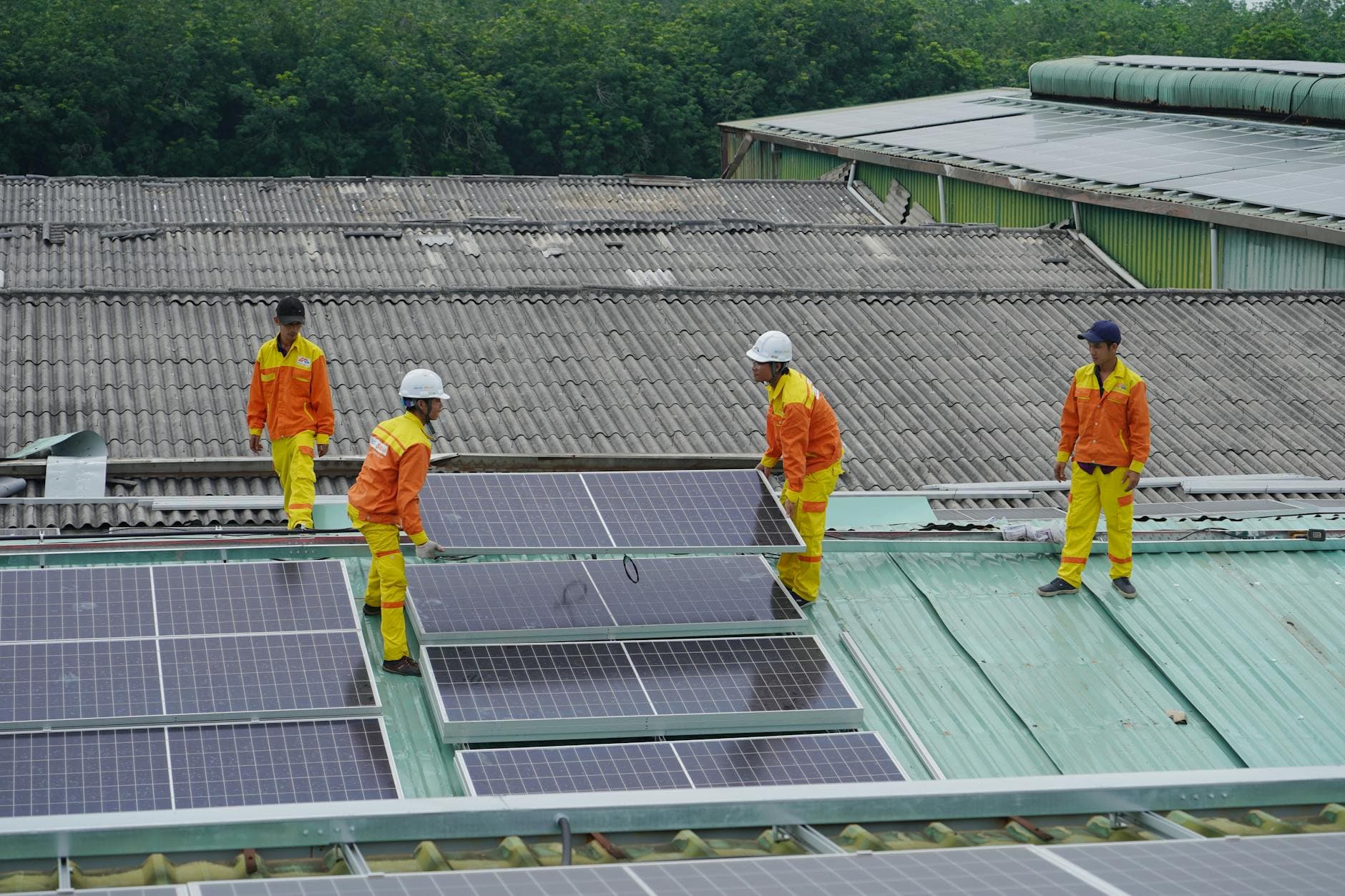
The long-term plan is larger still. Cuba had already set out to build 92 solar installations by 2028, adding about 2,000 megawatts to a national power system with a capacity of 7,264 megawatts. Work began in Artemisa, with more parks planned for Pinar del Rio, Las Tunas, Holguin, Granma and Guantanamo. Beijing has become the essential outside backer, and Chinese support has already included 5,000 household solar energy equipment sets for Cuban clinics and an elderly home. Solar’s share of electricity generation has climbed from 5.8 percent early last year to more than 20 percent by March 2026.
That buildout is happening in the middle of a crisis, not after it. Cuba imposed emergency restrictions in February, including a four-day workweek for state companies, reduced transport between provinces and shorter schooldays, while channeling fuel toward public health, food production and defense. A widespread power cut on March 16 left the national electricity company scrambling again, and a total blackout later left around 10.9 million people without power. Miguel Diaz-Canel has framed the crisis as economic war and collective punishment, while Donald Trump’s threats and Washington’s pressure on fuel suppliers have deepened the stakes.
The paradox is stark. Cuba’s blackouts are devastating daily life, but they are also forcing a faster solar buildout than the island might ever have managed in calmer times. The question is whether these panels become the start of a real energy transition, or just the emergency patch propping up a grid that is still one bad day away from darkness.
This article was produced by Prism’s automated news system from verified source data, official records, and press releases, then run through automated quality and moderation checks before publishing. The system is built and supervised by the people who set the standards it runs under. Read our full AI policy.
Did this article answer your question?