Cuba’s bolero, the song form UNESCO recognized with Mexico in 2023
UNESCO’s 2023 bolero listing gave Cuba a global seal of approval, but the real test is whether that recognition strengthens the singers, guitar builders, and traditions keeping it alive.
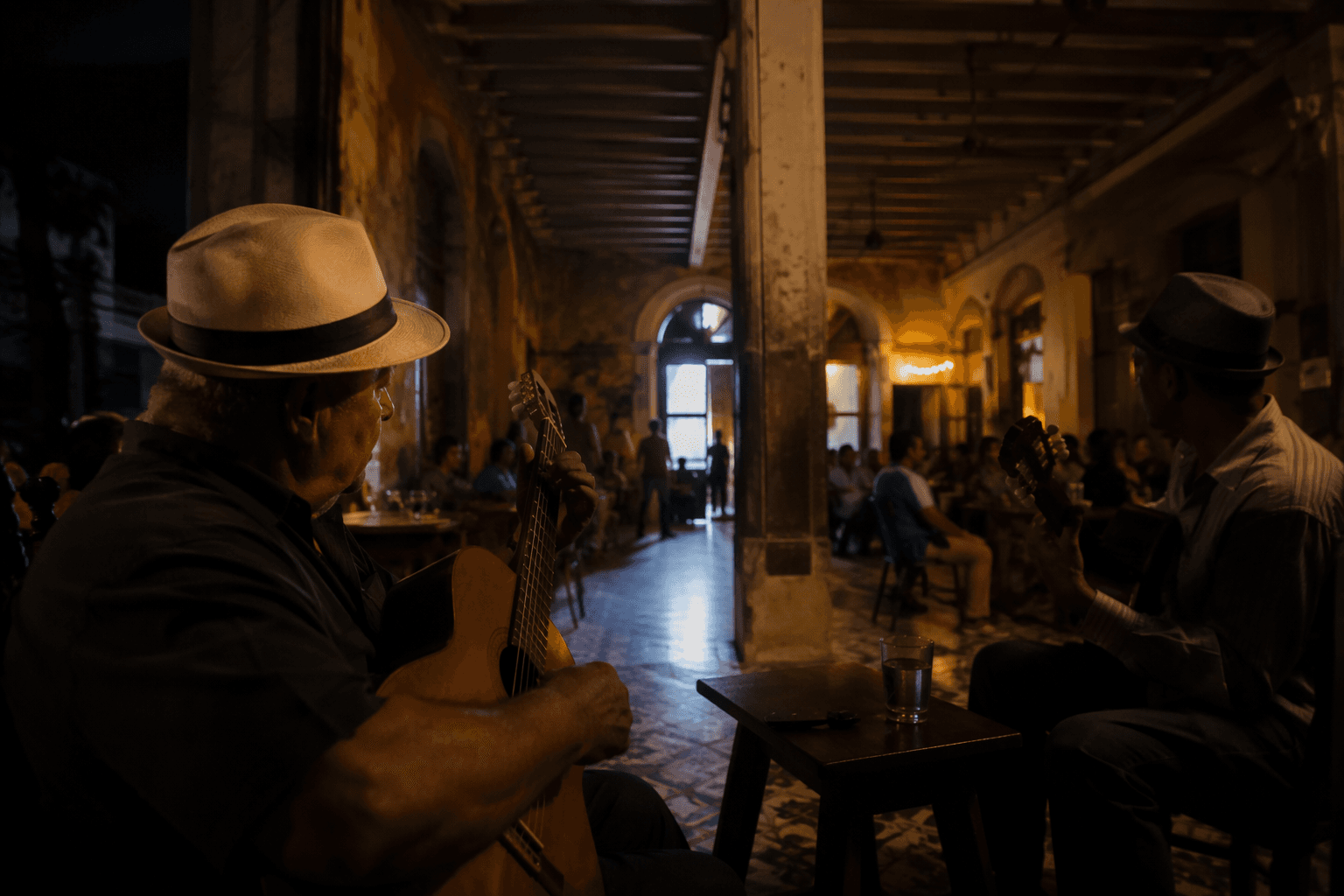
UNESCO inscribed “Bolero: identity, emotion and poetry turned into song” in 2023, shared by Cuba and Mexico. The harder question is what that label changes on the ground for a living tradition that still depends on singers, guitarists, families, and community memory.
What UNESCO actually recognized
The listing sits on UNESCO’s Representative List of the Intangible Cultural Heritage of Humanity, under decision 18.COM 8.b.28. The recognition is not about a single performance or archive recording. UNESCO framed the binational inscription as a contribution to safeguarding bolero.
The Cuba-Mexico sharing reflects how bolero travels. It is not pinned to one border or one city, even if Cuba remains one of its core homes. The recognition acknowledges a form that moved, adapted, and stayed emotionally recognizable across the Caribbean and Latin America instead of freezing in one national style.
Bolero is not the ballroom dance
If you know bolero only as a slow, romantic label, you are missing the craft underneath it. In Cuba, bolero is a song form that emerged in the late 19th century, tied closely to trova, guitar-based songwriting, poetic lyrics, and intimate vocal delivery. It is built around storytelling and emotional compression, not dance-floor spectacle.
Cuban bolero has often been flattened into background music for diners and hotels. The real tradition is stricter and more demanding than that: the lyric has to carry weight, the melody has to leave room for interpretation, and the singer has to know how to land a phrase without overplaying it. It is not “easy listening” in the trivial sense, even when the surface sounds restrained.
Santiago de Cuba and the early canon
The genre’s Cuban roots trace to Santiago de Cuba, where bolero settled into the broader world of serenatas and guitar accompaniment. An early landmark is Pepe Sánchez’s “Tristezas” from 1883, the first bolero song.
From there, bolero spread through oral transmission rather than through a single formal institution. UNESCO’s recognition covers a tradition that lived because people kept singing it, teaching it, and reworking it in homes, clubs, and local gatherings, not because it had a protected budget line and a glossy brand campaign.
What the heritage label can and cannot do
Cuba had already declared bolero National Cultural Heritage in 2021, after Cuban musicians publicly backed a campaign that year to secure national recognition. So the UNESCO inscription did not create bolero’s status from scratch. It extended a process already underway at home and gave it an international frame.
Heritage labels are good at naming value, but they are not automatic funding streams. The tangible work still happens in transmission from generation to generation, workshop-based community listening, and the craft of luthiers building instruments such as the requinto.
The living mechanics of the tradition
Transmission from generation to generation and community listening workshops carry this music forward. It is not only about preserving recordings. It is about listening practices, phrasing, repertory knowledge, and the people who learn how to shape a song in real time.
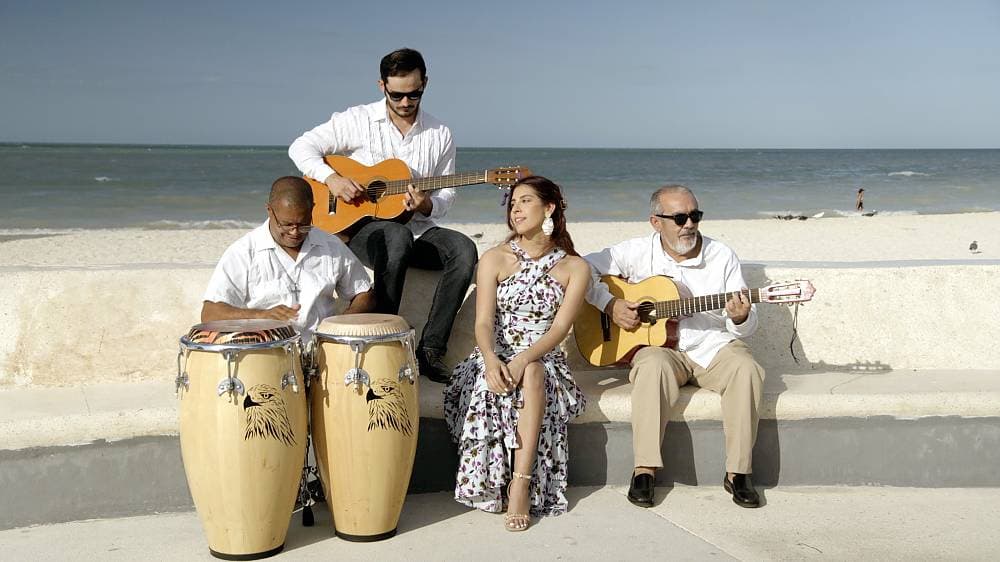
UNESCO’s captions include a luthier building a requinto. Bolero depends on instruments that can support its close-voiced, guitar-centered sound, and the luthier’s bench is part of the heritage chain just as much as the stage is.
What the recognition means for Cuba now
The clearest practical change is visibility. UNESCO’s inscription gives Cuban bolero a stronger public argument for preservation, education, and programming, especially when the genre competes with faster, more commercial forms for attention. It also strengthens the case that bolero is not just sentimental repertoire for anniversaries, but an active part of Cuba’s cultural identity.
That said, the recognition’s immediate effect is easier to see in language and status than in one dramatic material shift. The binational listing does not by itself rebuild venues, create a touring circuit, or guarantee better pay for performers. It does make it harder to dismiss bolero as a fading nostalgia act, because the form now carries an international heritage stamp tied to both Cuba and Mexico.
Why the emotional core still matters
At the time of the UNESCO recognition, Migdalia Hechavarria said she was thrilled by the decision.
This article was produced by Prism’s automated news system from verified source data, official records, and press releases, then run through automated quality and moderation checks before publishing. The system is built and supervised by the people who set the standards it runs under. Read our full AI policy.
Did this article answer your question?