Cuba's Femicide Observatory closes after years tracking gender violence
Cuba lost one of its last independent femicide trackers, cutting off a trusted count of killings, disappearances and attempted attacks just as the violence continues.
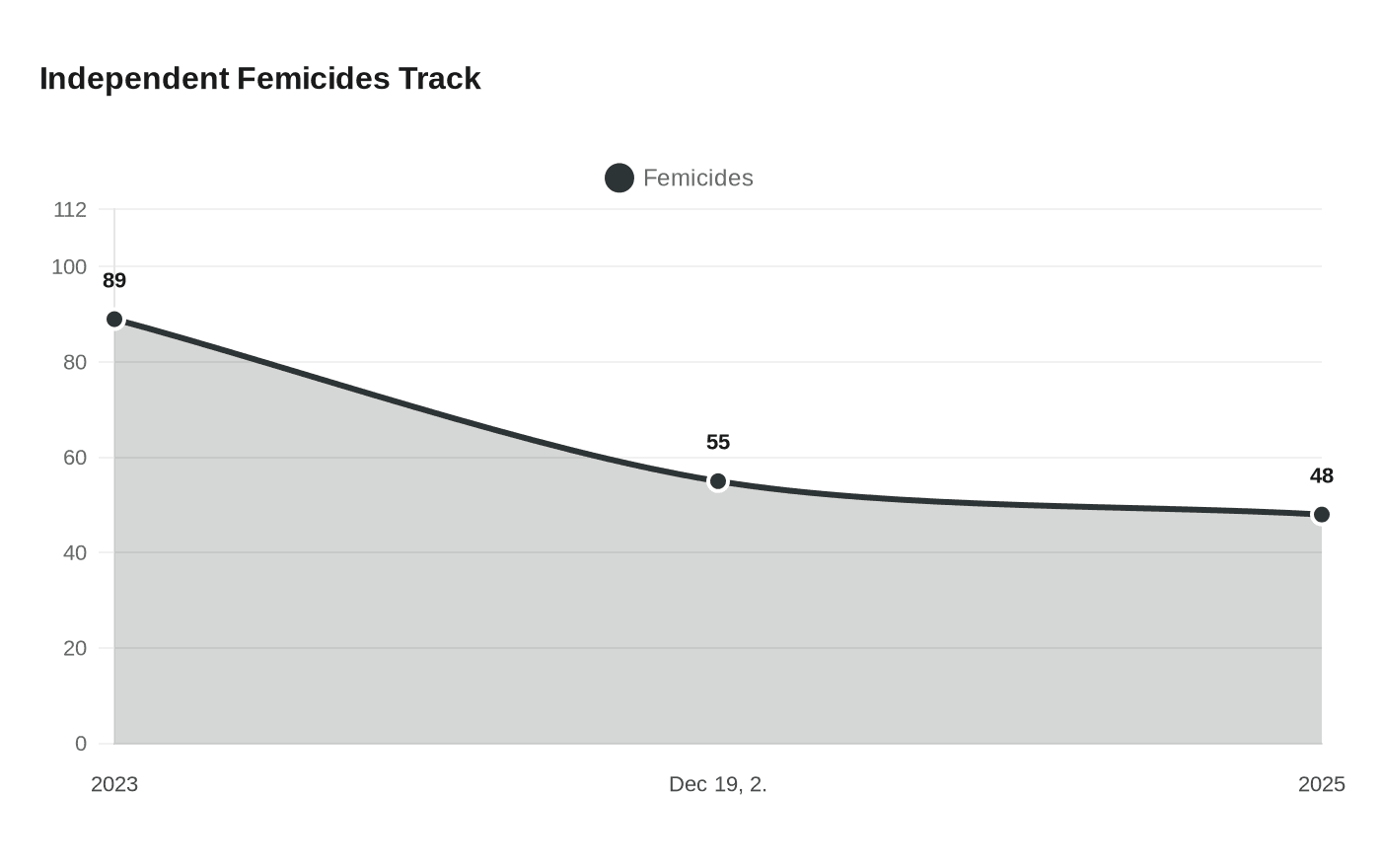
What disappears first is the independent count: a trusted record of femicides, attempted killings and disappearances that families, activists and reporters have leaned on when official numbers were missing or disputed.
Yo Sí Te Creo in Cuba ended the work of its Femicide Observatory after finishing its latest annual report with the Observatorio de Género de Alas Tensas, closing out more than five years of systematic recording and verification. Alas Tensas said the decision reflected exhaustion and a lack of human and material resources, but it also showed how hard it has become to sustain independent monitoring in Cuba’s current climate.
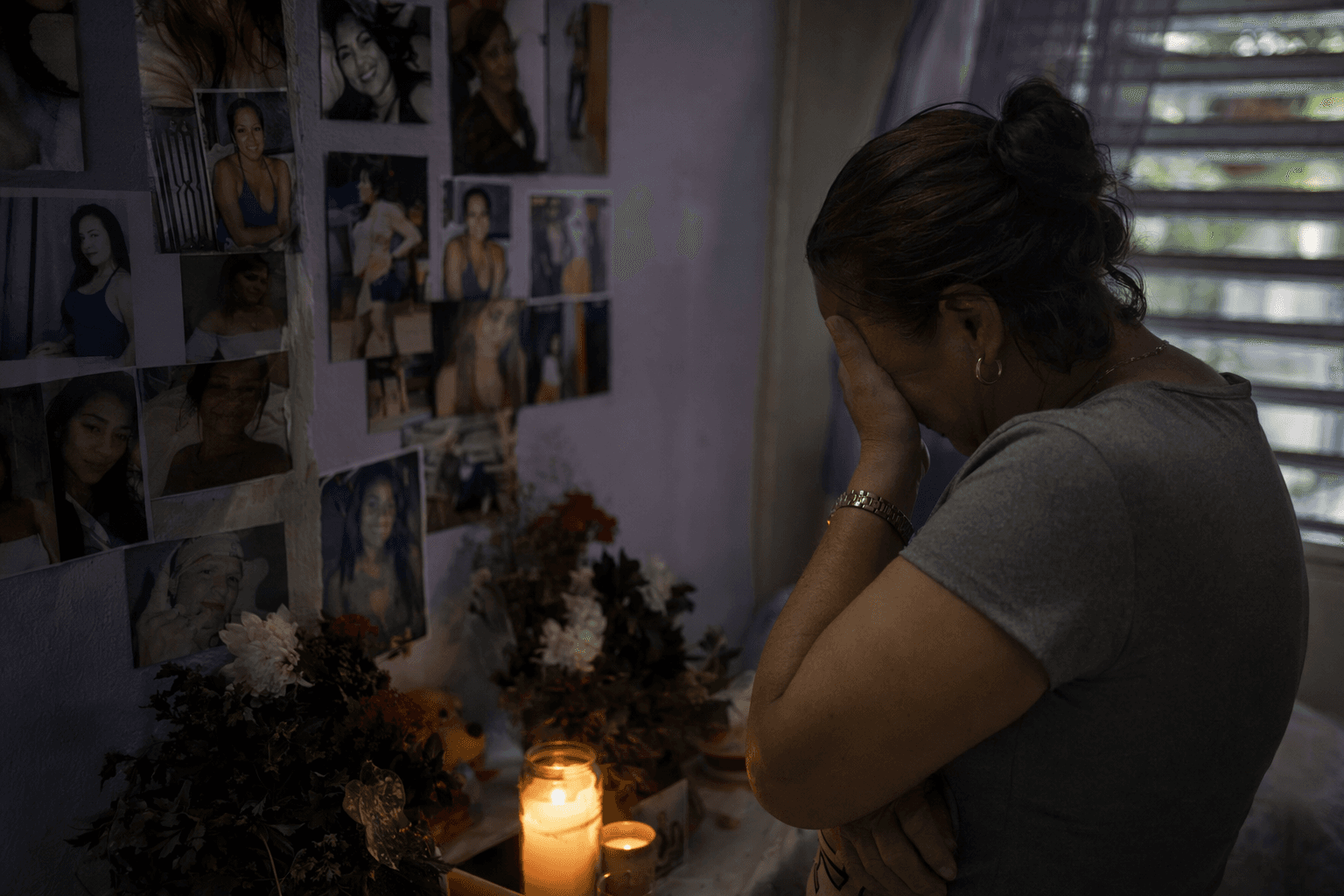
The shutdown does not end the group’s support line for women and families. It does end the public registry, the verification chain and the steady tally that gave Cuba’s gender violence crisis a visible, credible face. In a country where official statistics on femicides and several intimate-partner violence indicators are still not available, that loss leaves a larger hole than a simple archive closure. It removes one of the few mechanisms that could quickly flag a killing, connect cases across provinces and keep pressure on institutions that often move slowly or not at all.
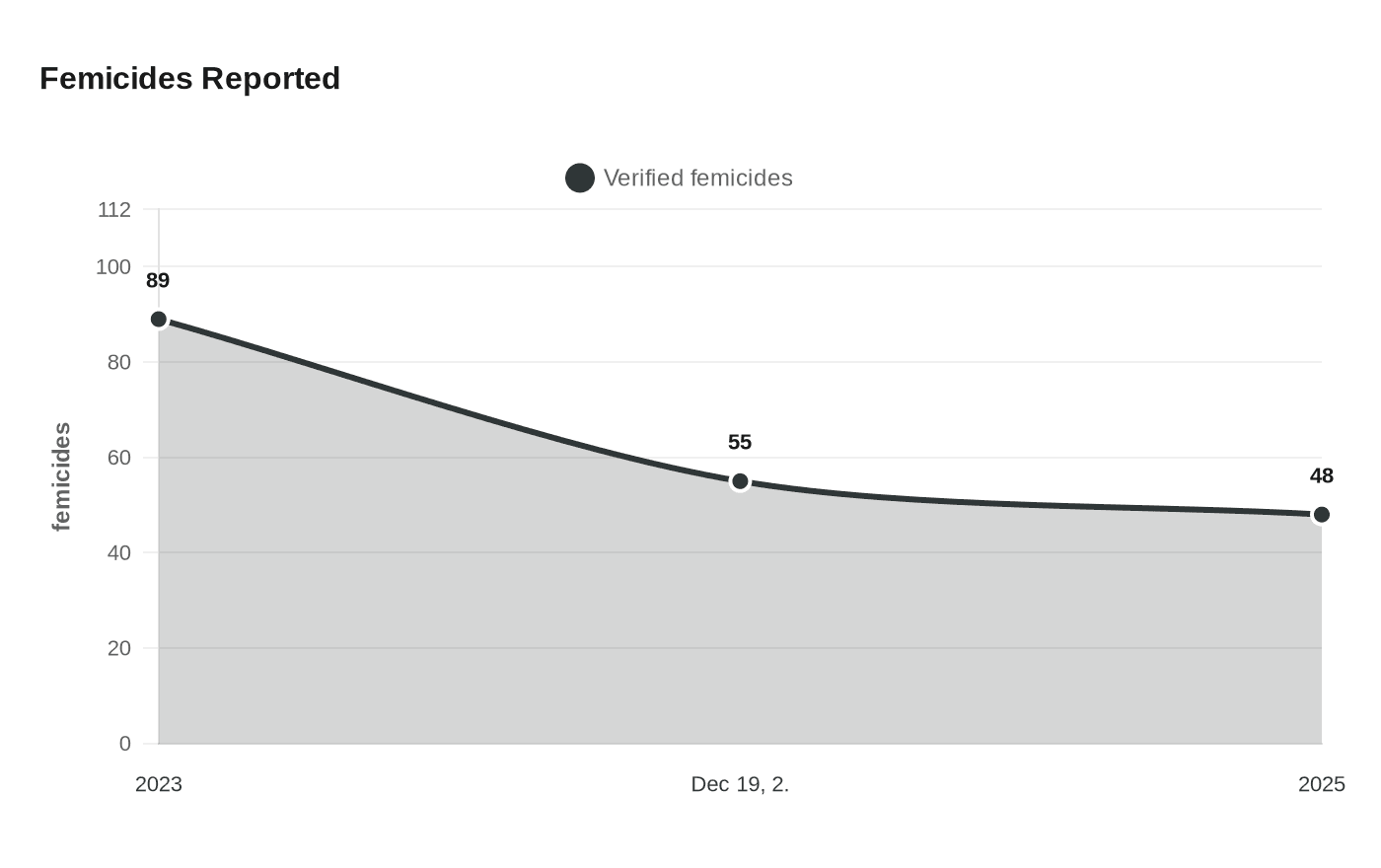
The observatory’s numbers had become a reference point because they showed the scale of the problem with painful clarity. Independent observatories reported 89 femicides in 2023. By December 19, 2024, Yo Sí Te Creo and Alas Tensas had recorded 55 femicides, eight attempted femicides and six cases that still required police investigation. Cuba’s official gender-equality reporting later said 76 women were murdered for gender-based reasons in 2024. The groups’ preliminary 2025 report recorded 48 verified femicides and 37 disappearances, while their wider archive documented 315 misogynistic crimes between 2019 and 2025.
That documentation gap matters even more because the violence did not stop. Yo Sí Te Creo and Alas Tensas were still issuing alerts and confirmations in early 2026, while blackouts and constant disconnection made verification harder. Power cuts, unstable communications and the broader collapse of daily life have burdened nearly every form of civic work, including the painstaking task of confirming who was killed, where, and under what circumstances.
Cuba’s Penal Code, Law 151/2022, does define gender-based violence as rooted in patriarchal inequality and imposes harsher penalties for violence against women. But the law has not produced transparent national reporting, and Amnesty International has said femicide is still not treated as a distinct crime while the state provides no official statistics on femicides or wider violence against women. Human Rights Watch has also described a broader deterioration in rights and living conditions, including severe electricity blackouts and pressure on civil society. The observatory’s closure now leaves Cuba with fewer eyes on a crisis that still demands them.
This article was produced by Prism’s automated news system from verified source data, official records, and press releases, then run through automated quality and moderation checks before publishing. The system is built and supervised by the people who set the standards it runs under. Read our full AI policy.
Did this article answer your question?