Trump presses advisers on Cuba regime change as Pentagon updates plans
Trump’s Cuba push is moving from sanctions to contingency planning, while the island’s grid and fuel supply keep buckling under the pressure.
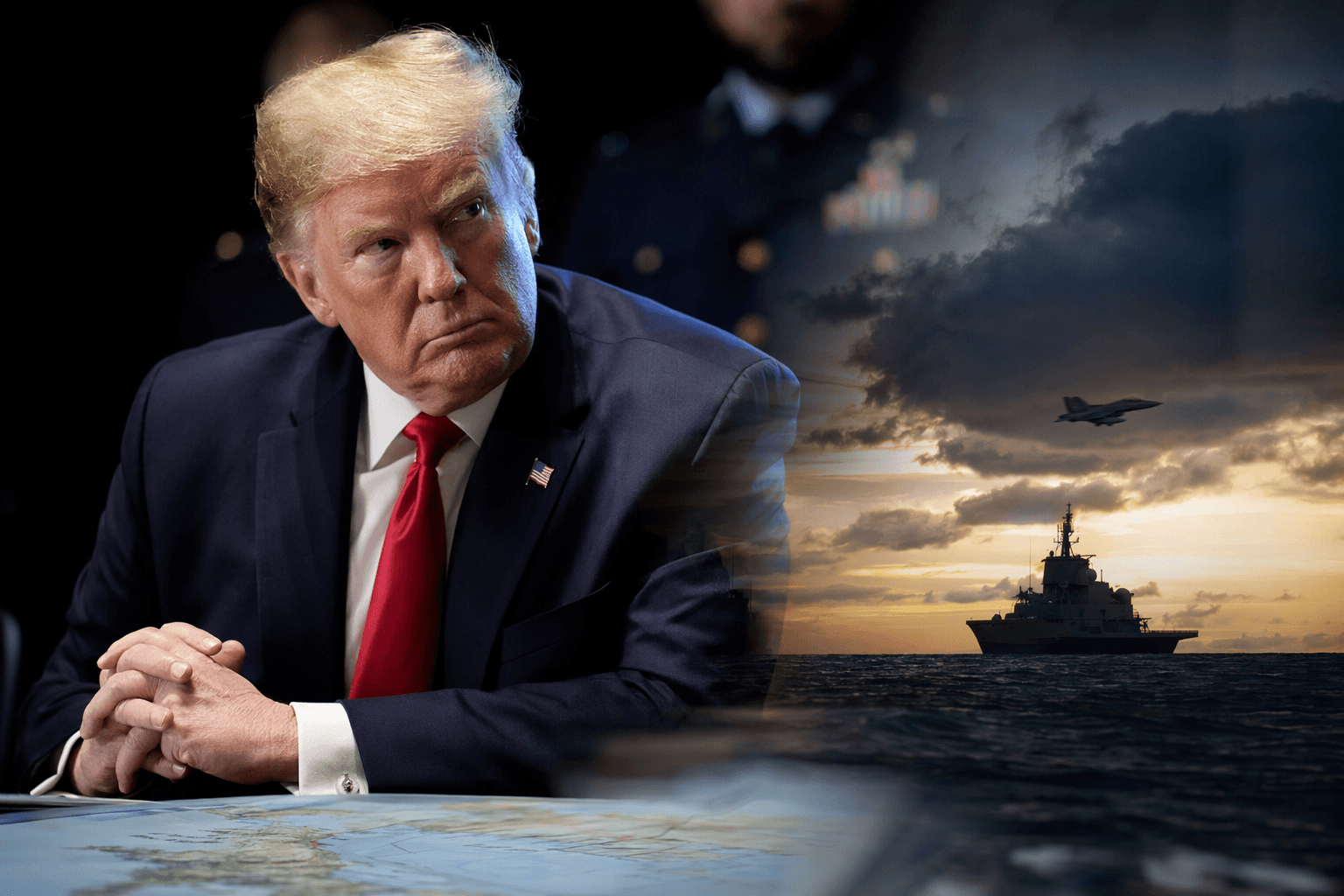
Trump’s stalled push for regime change in Cuba is now spilling into harder planning inside Washington, with advisers weighing tighter sanctions, covert pressure and military contingencies as some officials predict the island could fall by the end of 2026. The immediate consequence is already visible in Cuba itself: deeper blackouts, thinner fuel stocks and a government treating the campaign as a security threat, not a routine diplomatic fight.
Trump has said Cuba “is going to fall,” and his administration has been looking for ways to squeeze Havana further after cutting off key oil supplies. On January 29, Trump signed an executive order that would impose a tariff on goods from any country that sells or provides oil to Cuba, a move designed to make the island’s already fragile energy lifeline even harder to restore. Trump also raised the possibility of a “friendly takeover of Cuba” while talking about contacts with Havana.
That pressure landed on a country already in crisis. Cuba reconnected its power grid on March 17 after a nationwide blackout that lasted more than 29 hours, and the largest oil-fired power plant was brought back online at the same time. Earlier in the month, UPI reported that 64% of the island was in the dark because of electricity deficits tied to fuel shortages and failures at thermoelectric plants. Two Mexican navy ships carrying humanitarian aid docked in Cuba on February 12 as the shortages deepened, a sign of how severe the shortages of fuel, power and basic supplies had become.
Havana has answered by preparing for the worst. Cuba’s deputy foreign minister said the military was involved in preparations for “the possibility of military aggression” from the United States. Miguel Díaz-Canel said Cuba was willing to talk to the United States, but not under pressure or preconditions. He also said the government was preparing a “defense plan” and was not in a state of war. Carlos de Cossío confirmed exchanges of messages with Washington, but said there was no official bilateral dialogue or negotiation yet.
The durability test is where the collapse talk gets shakier. The U.S. embargo has been tightened for decades rather than lifted, and the Helms-Burton Act, signed into law on March 12, 1996, hardened sanctions after the February 1996 shootdown of two civilian aircraft by Cuban MiGs killed three U.S. citizens and one U.S. resident. That long history helps explain why predictions of imminent collapse keep meeting the same obstacle: Cuba has endured wave after wave of pressure, but each new escalation leaves a sharper mark on daily life, from lights and cooking to transport, medicine and work.
This article was produced by Prism’s automated news system from verified source data, official records, and press releases, then run through automated quality and moderation checks before publishing. The system is built and supervised by the people who set the standards it runs under. Read our full AI policy.
Did this article answer your question?