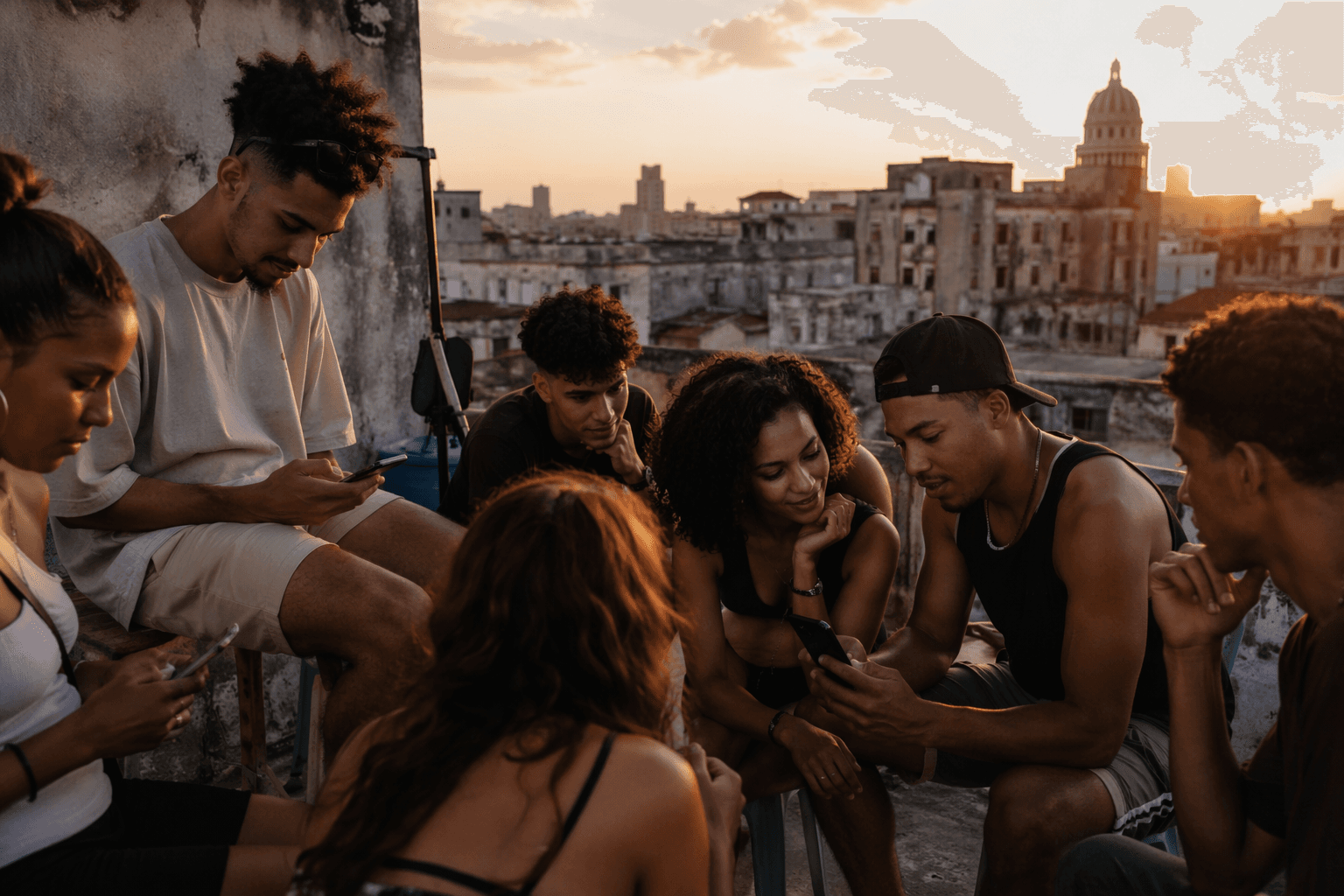
Havana youth find relief at the Malecón amid heat and hardship
Heat in Havana is now a survival problem, and the Malecón has become one of the few places where young people can still breathe, gather, and reset.
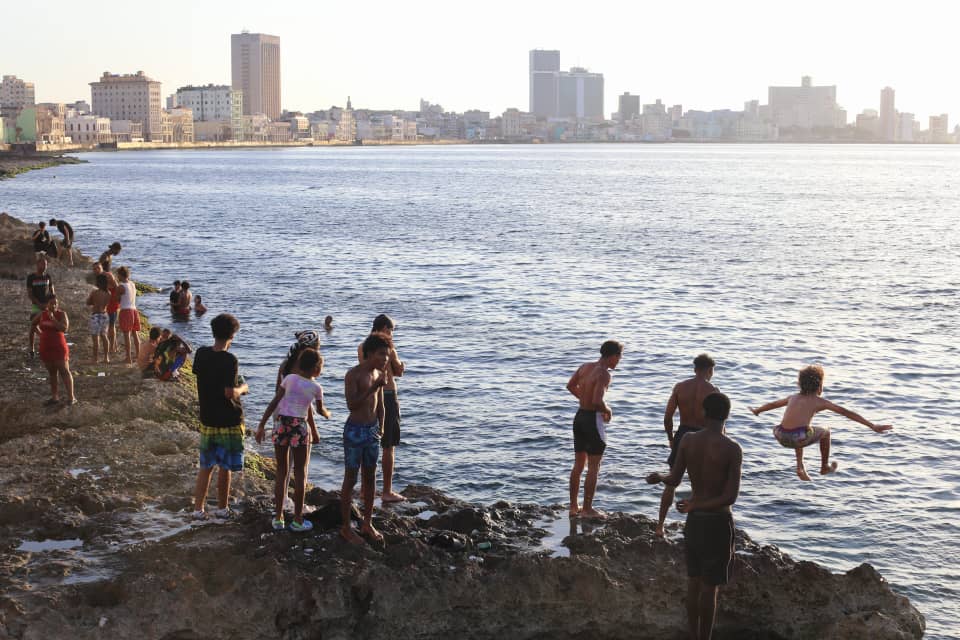
Heat turns the waterfront into a pressure valve
The first relief in Havana is often not air-conditioning, but the sea. As temperatures rise and homes stay dark, the Malecón has become one of the few easy places to cool off, and Havana Times’ photo feature captures young people making the most of that narrow escape hatch. The images are simple, but the message is not: in a city strained by shortages, blackouts, and worsening daily discomfort, an afternoon by the seawall is less a pastime than a small survival tactic.
That is what gives the scene its force. The bright water, the open air, and the social energy along the promenade stand against a city where the basics of comfort are no longer guaranteed. When the heat builds and the power cuts drag on, the difference between a shaded wall at home and a breeze off the sea can mean the difference between enduring the day and feeling trapped by it.
Why the Malecón still matters
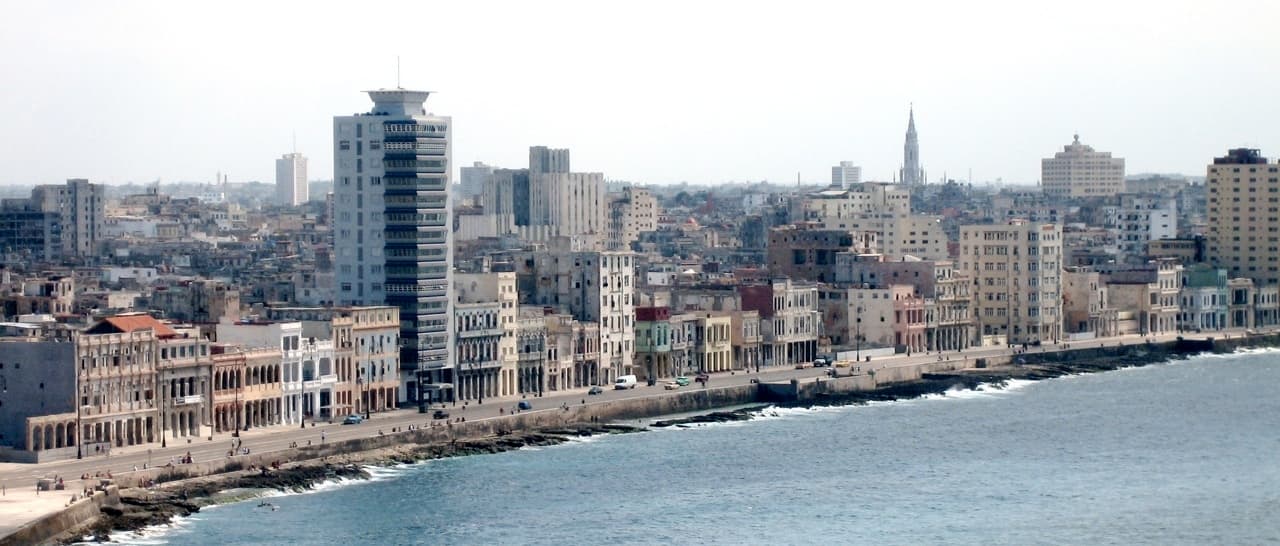
The Malecón is more than a postcard view. In Havana, it remains one of the city’s most recognizable public spaces and one of its most practical communal gathering points. Recent coverage has described it as a heart of Havana’s social life, and this photo feature shows why: it is open, familiar, and still usable when so much else feels unreliable.
That matters in a city where indoor life has become harder to manage. Blackouts in Havana have been reported to last 14 to 16 hours straight, and water shortages are now a routine part of daily life. When electricity is absent for most of the day and water cannot be counted on, people adapt by shifting more of life outdoors, toward places where the city still offers a little relief.
A city where hot weather carries crisis consequences
In many places, hot weather is inconvenient. In Havana, it now has crisis consequences. Reuters reported in March 2026 that a power outage struck most of Cuba, including Havana, and later that month the national electric grid collapsed, leaving around 10 million people without power. NBC News put the scale even more starkly, reporting that the blackout affected Cuba’s 11 million inhabitants.
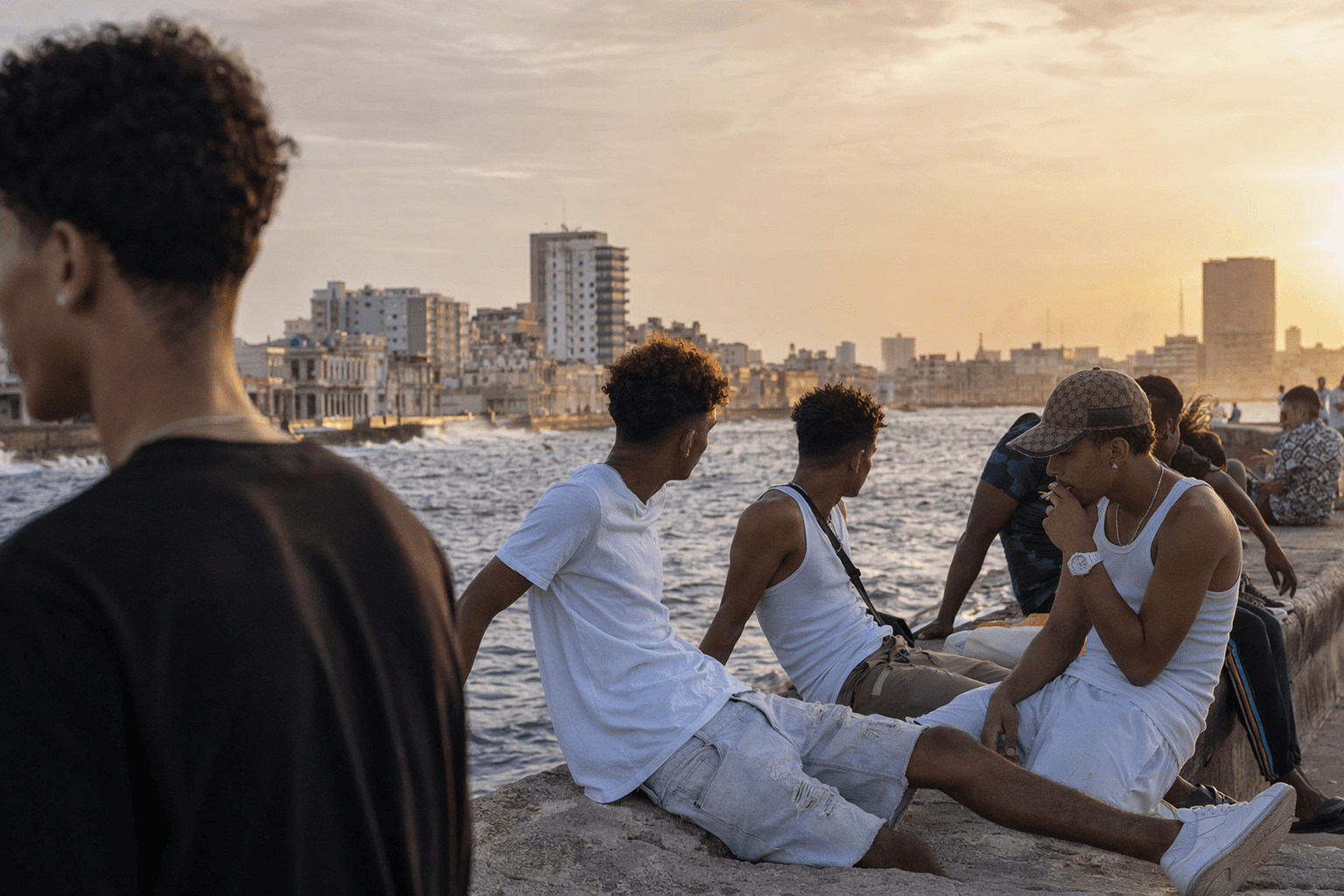
That context is what makes the Malecón scenes so resonant. When the grid is fragile, the temperature is not just a weather report, it is part of the stress load people carry through the day. Heat affects sleep, food storage, transit, and the health of older residents, especially when homes are already dealing with weak infrastructure and long hours without electricity. The waterfront becomes a place to breathe because the city around it has become harder to inhabit.
The everyday logic of escaping to the sea
The photo feature also shows how residents keep building ordinary life inside extraordinary pressure. Young people gather by the water, enjoy themselves, and use the public space as a break from the weight of turbulence, shortages, and darkness. The pleasure is real, but it is not detached from the crisis. It exists alongside it.
That contrast is part of what makes the Malecón so powerful in Cuban life. On one side is the sea breeze and a shared public rhythm. On the other is the daily grind of failing utilities, limited resources, and an atmosphere of uncertainty that affects every routine. The feature does not romanticize that reality, but it does show how people keep refusing to let it erase all joy.
What the broader crisis looks like from Havana
The heat story cannot be separated from the wider collapse of services. Havana Times reported on April 21, 2026, that blackouts in the capital can last 14 and even 16 hours straight. Two days later, the same outlet described water shortages in Havana as routine, including protests from Old Havana residents over the lack of water. That combination of power cuts and water scarcity changes the meaning of a hot day completely.
In that environment, the Malecón functions like a release valve for a city under strain. It is where the sea offers a little motion, where people can sit with friends, and where the public space still feels alive even when the rest of the city is fraying. The photo feature’s strength is that it shows this without exaggeration: the relief is modest, but in Havana, modest relief is not trivial.
What heat means in Cuba now
The World Health Organization says heatwaves are becoming more frequent, longer, more intense, and more severe because of climate change. It also says the health harms of heat can be largely prevented with preparedness, early warning systems, and emergency planning. Those warnings land differently in Cuba, where heat is arriving in a city already living with repeated blackouts, water shortages, and damaged housing.
Cuba’s population is 11,019,931, and for a country that size, the loss of power across the whole island is not an abstract crisis. It is felt in apartments, on buses, in clinics, in kitchens, and on streets like those leading to the Malecón. When the city is dark and the water is unreliable, a cooling breeze off the seawall becomes part comfort, part necessity.
A familiar place, seen differently
That is the real value of the photo feature. It does not just show Havana at the height of the season. It shows Havana at a moment when even hot weather has become a test of endurance. The Malecón still draws young people, still offers a place to gather, and still gives the city a little room to exhale. But the scene only makes sense when read against the blackouts, the water problems, and the pressure of daily life that surrounds it.
In that sense, the waterfront is not an escape from Havana’s crisis. It is one of the few places where the city can briefly live around it.
This article was produced by Prism’s automated news system from verified source data, official records, and press releases, then run through automated quality and moderation checks before publishing. The system is built and supervised by the people who set the standards it runs under. Read our full AI policy.
Did this article answer your question?