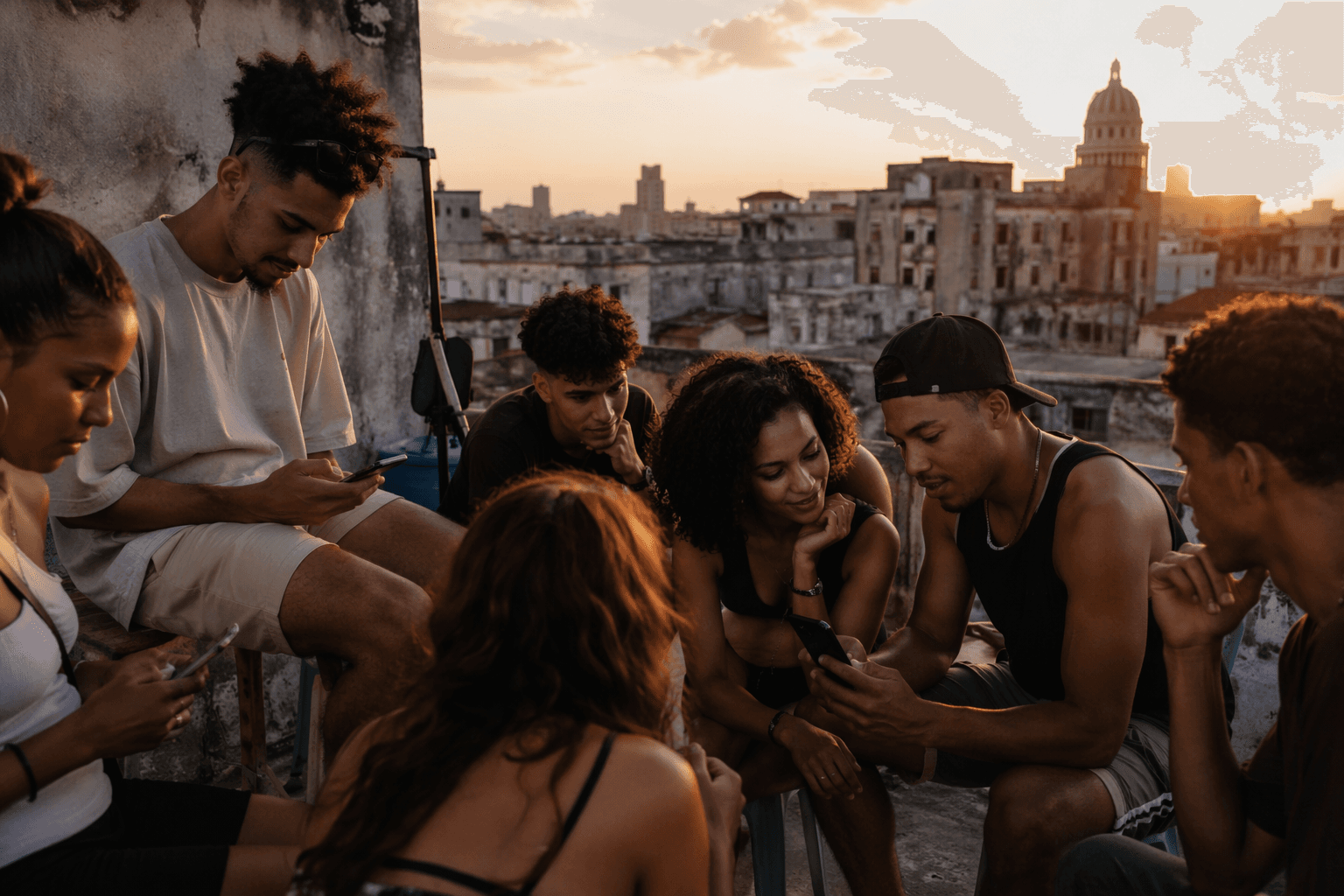
Hunger and hardship expose Cuba’s widening social collapse
Hunger has become the clearest proof that Cuba’s crisis has moved beyond hardship. Families are improvising meals as the state’s promises of equity and basic security ring hollow.
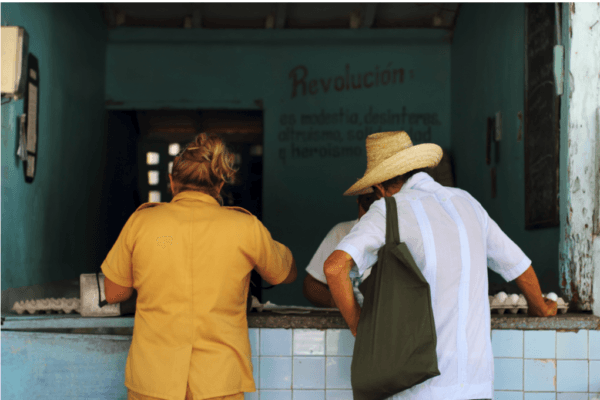
Hunger as the clearest sign of breakdown
Hunger is no longer a hidden wound in Cuba. It has become the most readable measure of a social collapse that reaches far beyond the dinner table, because it shows how inflation, shortages, low salaries and rationing now collide in ordinary life.
The bluntest phrase in this story is also the most revealing: “I’m hungry” is part of everyday speech now. That matters because it turns food insecurity from a statistic into a social fact, one that captures how the state’s promise of a basic standard of living has been steadily eroded.
What a normal day of eating now looks like
The Cuban crisis is often discussed in technocratic language, but the daily reality is messier and harsher. Families are improvising meals, skipping items, rationing portions and adapting constantly to whatever can be found, bought or stretched.
That means each trip to the market can become an ordeal. It is not just the price of food that bites, but the uncertainty: scarce supplies, low wages and a shrinking economy force people to plan around absence. In practice, this means eating less, eating differently, and treating normal meals as something that has to be engineered.
The point is not that every household is starving in the same way. The point is that survival has become a management problem for nearly everyone, not just for people at the margins. Food insecurity is now part of how daily life is organized.
Official language no longer fits the street reality
One of the sharpest critiques in the essay is that official talk about “social justice” and “equity” no longer matches what families actually have to do to eat. Those words still belong to the state’s political vocabulary, but they increasingly sound disconnected from the lived texture of deprivation.
The same gap shows up in the way official media frames crisis. Terms like “food security” and “vulnerability” can sound neat, even responsible, yet they flatten what is happening on the ground. A family that is skipping meals, reworking recipes and rationing portions is not just “vulnerable” in the abstract. It is being pushed into a daily improvisation economy where every meal depends on what can be sacrificed.
That mismatch matters because it exposes a deeper failure of language. When the system can describe hunger only in sterile terms, it is already admitting that it cannot fully acknowledge the social damage in front of it.
Poverty is no longer hiding at the margins
The broader implication is that poverty in Cuba is no longer confined to the edges of society. It is visible in the center of social life, and that changes the way people behave, what they expect, and how they understand the future.
This is where the story moves beyond food alone. Hunger is tied to class fragmentation, inflation and shortages, all of which are widening the gap between official promises and everyday reality. The result is a country where the slow erosion of guarantees has become impossible to ignore.
What used to be presented as temporary scarcity now looks structural. The simple act of getting through the day can require more calculation, more compromise and more patience than many families have left.
How Cubans are adapting, one compromise at a time
The coping strategies are familiar, but their spread tells you how deep the crisis has gone. People are reducing portions, skipping ingredients and building meals around whatever appears in the house or can be secured through informal means.
That shift is important because it shows how the state’s basic contract is fraying. When people cannot count on stable access to food through normal channels, they start living outside the guarantees they were told to expect. In Cuba, that can mean more informal work, more migration and, for some, a quiet resignation that the old promises are no longer dependable.
The phrase “food insecurity” can sound technical, but the reality it covers is intimate and exhausting. It is the difference between a full plate and a stretched one, between a family meal and another day of improvisation. It also reveals how poverty has become visible not in isolated pockets, but in the center of Cuban life.
What this says about Cuba’s wider crisis
This is not a story about a single shock. It is about the accumulated effect of hunger, inflation, shortages and shrinking trust in the state’s ability to provide. Each of those pressures reinforces the others, and together they make the crisis feel less like hardship than like social breakdown.
That is why food insecurity is such a powerful lens. It is measurable, immediate and impossible to romanticize. It tells you whether people are eating, what they are giving up, and how much room is left between official language and lived experience.
Cuba’s widening collapse is showing up in the most ordinary place of all: the kitchen. When hunger becomes part of everyday speech and equity sounds like propaganda, the country is no longer just struggling. It is being forced to live without the guarantees it once claimed as a matter of principle.
This article was produced by Prism’s automated news system from verified source data, official records, and press releases, then run through automated quality and moderation checks before publishing. The system is built and supervised by the people who set the standards it runs under. Read our full AI policy.
Did this article answer your question?