Cuba's fuel crisis cripples Havana private businesses, drives costs soaring
Havana’s food stalls are now survival operations, as 15-hour blackouts, scarce gasoline and $10-a-liter fuel push costs up and supplies off schedule.
The new cost of keeping the lights on
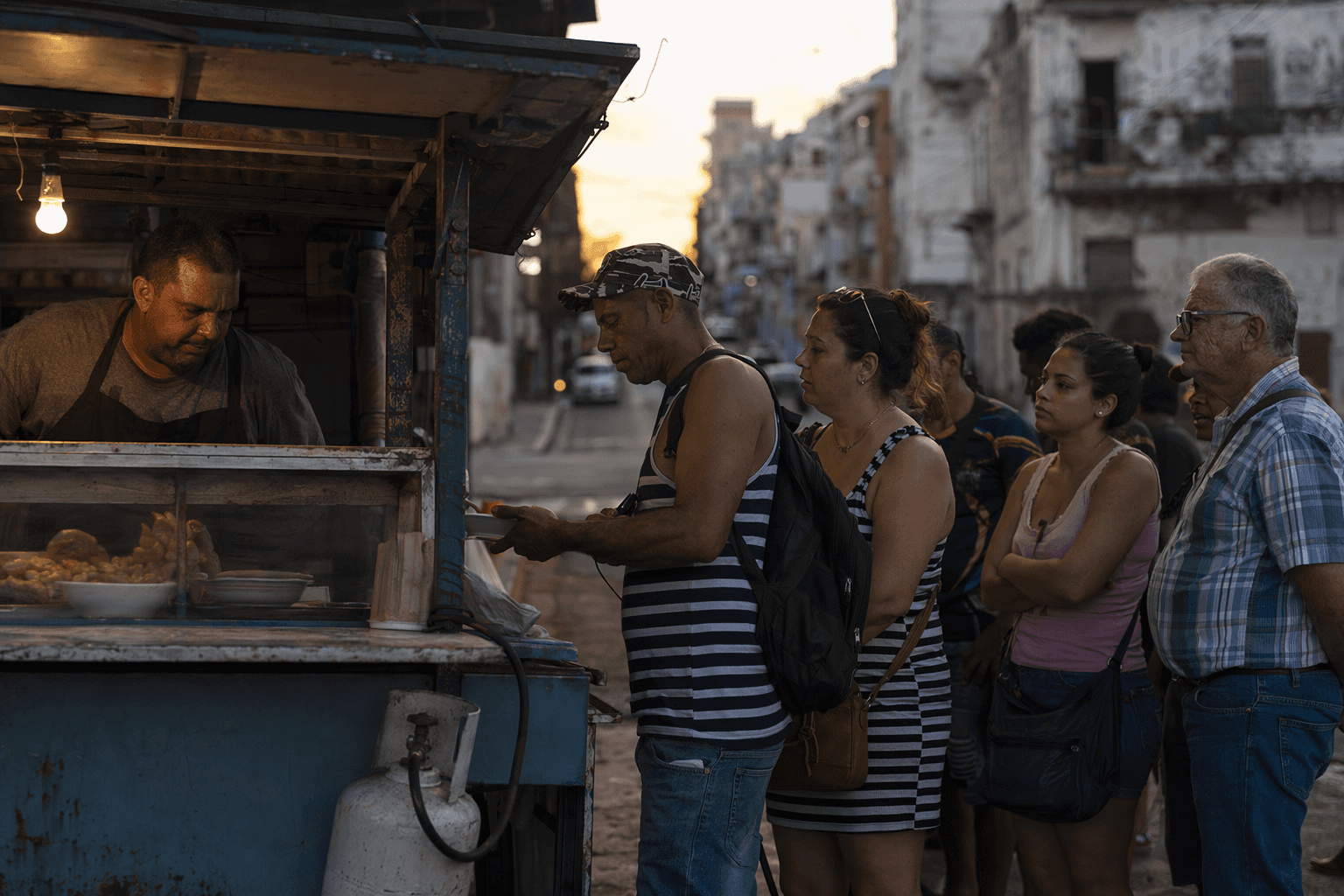
At two small Havana food businesses, the fuel crisis is no longer an abstract policy fight. It is the reason a burger-and-pizza stall closes early, why a fried-rice-and-skewer stand worries about every delivery, and why a day of sales can disappear into the cost of simply getting to work.
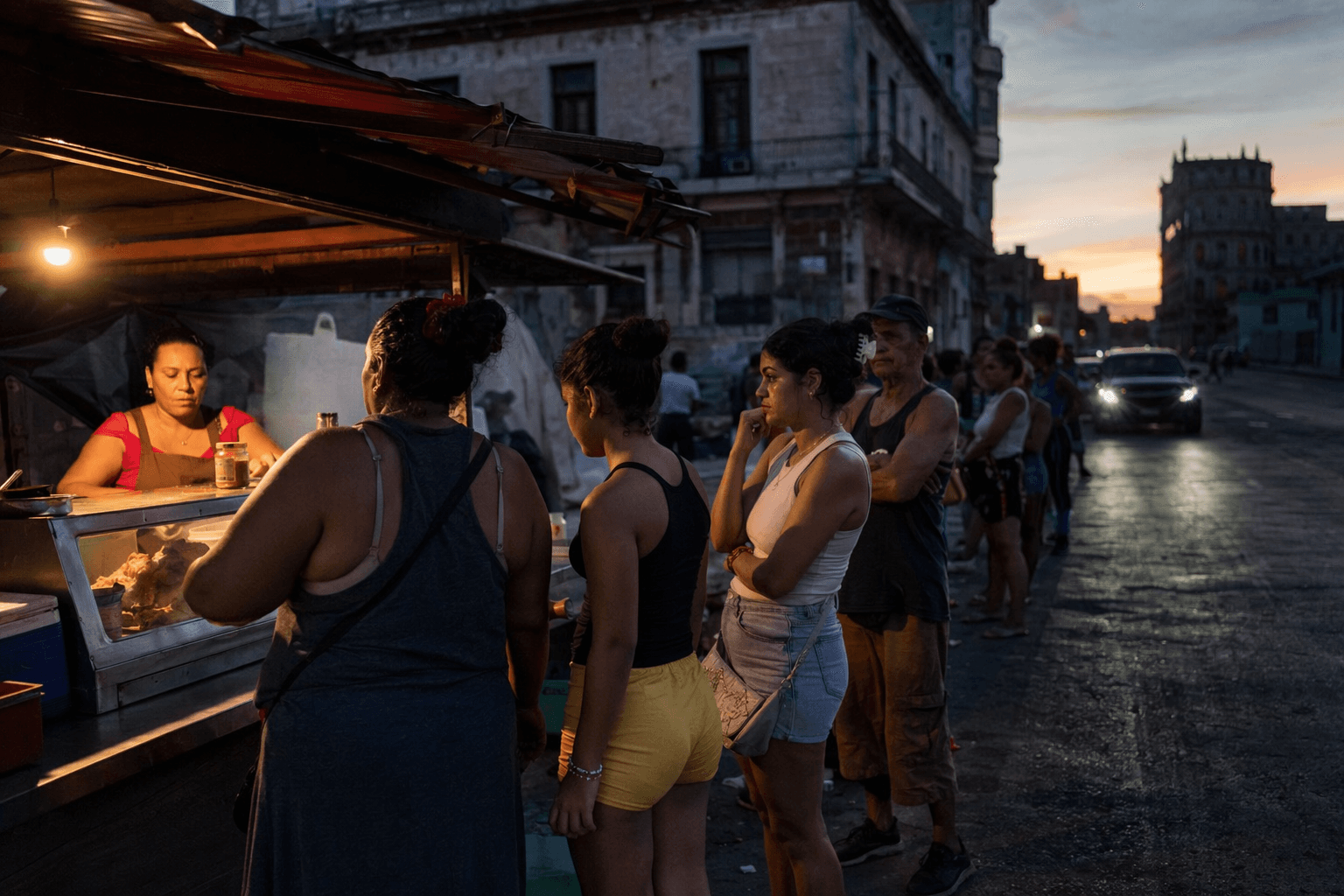
Miguel Salva, who runs Oishi at Pabellon Cuba, and the co-owners of Pincharte, a small operation that sells fried rice and skewers from fair to fair, are showing how fuel restrictions move through the private economy step by step. First come the blackouts and transport bottlenecks. Then come late deliveries, thinner inventories and higher prices. By the time the food reaches the customer, the bill reflects every stop along the way.
When power cuts become a business model problem
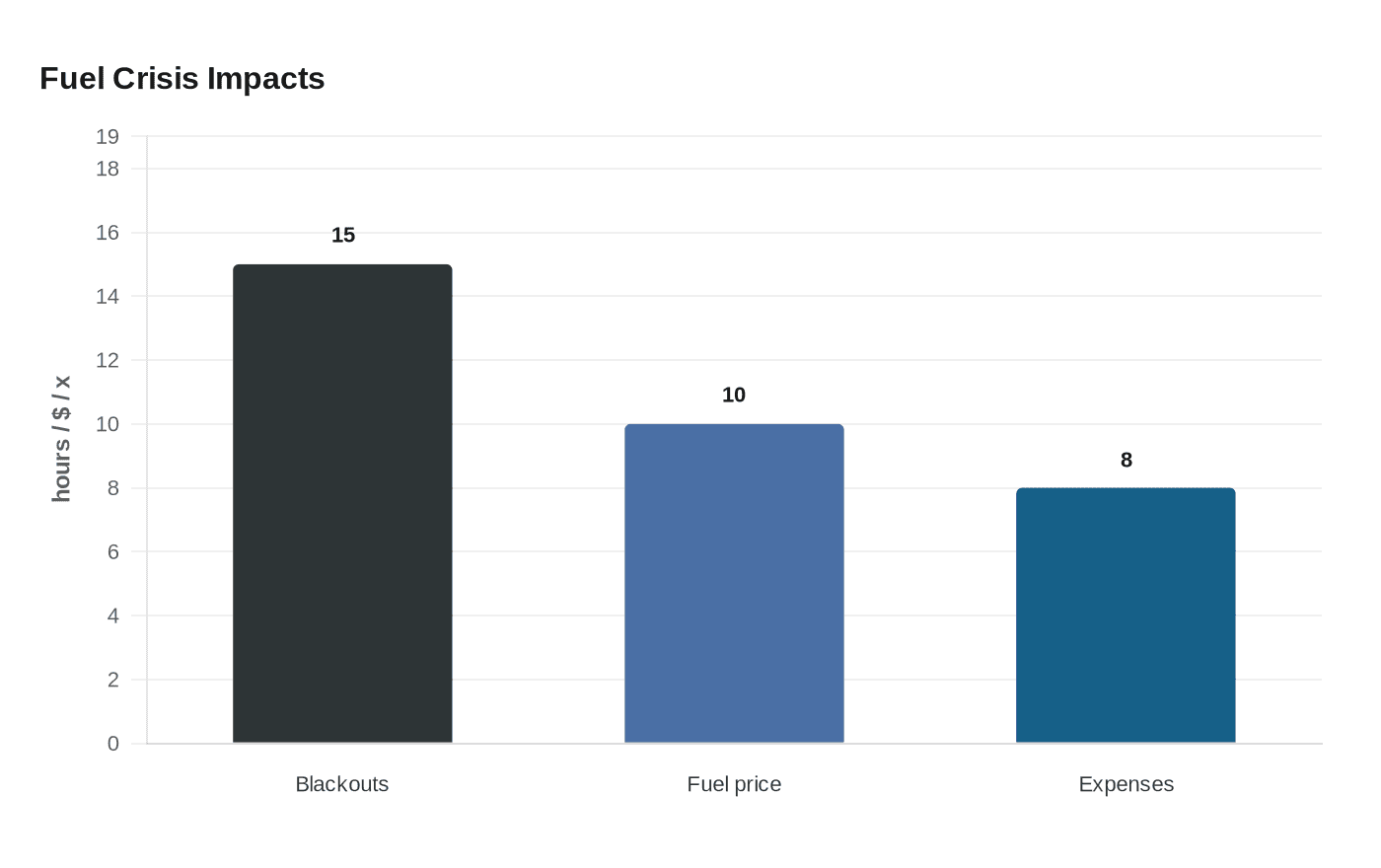
In Regla, blackouts have stretched to 15 hours or more, and that kind of outage does more than darken a neighborhood. For Salva, it meant closing Oishi and rethinking the business entirely, not as a matter of preference but as a response to whether he could keep the lights on long enough to serve a meal.
That is the reality facing many of Cuba’s private food sellers right now. A business that depends on refrigeration, cooking, lighting and transport cannot survive on creativity alone when power becomes unpredictable. Salva described the fuel crisis as a nightmare, and the emotional toll was severe enough that he spent days in tears after shutting the restaurant down.
What fuel scarcity does to the math
The numbers behind the squeeze are brutal. Petrol prices on the black market have jumped from about $1 a liter earlier in the year to roughly $10, making backup generators and diesel-powered trucking unaffordable for many operators. When fuel costs climb that sharply, every delivery becomes a calculation about whether the trip can be made at all, let alone at a profit.
Pincharte’s co-owner, Elianis Aguero, said fuel has pushed expenses up eightfold, and that nothing is profitable if it depends on fuel. That is the core economic story here: the crisis is not only raising costs, it is forcing small businesses to decide which parts of their operation are worth keeping alive. A catering run, a market trip or a supply pickup can turn from routine work into a loss-making gamble.
How the shortage reaches the plate
The effect is felt in the food itself. When gasoline is scarce and transport costs spike, ingredients arrive later, in smaller quantities or not at all. That means fewer items available to sell, more uncertainty about daily menus and higher prices for customers who are already used to paying for instability.
This is why Havana’s private food economy now looks less like a growth story and more like a chain of emergency adjustments. A stall that once depended on steady deliveries now has to think about whether the supplier can find fuel, whether the generator can be run and whether the final price will scare away buyers. In practical terms, the oil blockade has become a dinner-table issue.
The private sector’s fragile escape route
Cuba’s small and medium-sized private businesses were one of the few sectors that expanded in recent years, offering a rare outlet for entrepreneurship in a constrained economy. Now those same businesses are being squeezed by the energy shortages that have long battered state services, only with fewer buffers and less room to absorb the shock.
Entrepreneurs are trying to adapt, but the alternatives are not cheap. Some are looking toward solar panels and electric vehicles, hoping to reduce dependence on gasoline and diesel. Yet even those fixes are getting more expensive as demand rises, which means the solutions are moving away from reach at the same time that the crisis is tightening.
A survival economy, not a normal market
What emerges from these two Havana businesses is a portrait of private commerce as survival strategy. Logistics, imports, exports and productive capacity are all getting hit at once, so the problem is no longer just whether a restaurant can open. It is whether the whole chain that feeds it can still function.
That is what makes the fuel crisis so punishing for Cuba’s private entrepreneurs: every day brings a fresh test of whether a business can stay open, keep supplies moving and avoid passing the full shock onto customers. In Havana, the price of energy is now the price of lunch, the price of dinner and, for many owners, the price of staying in business at all.
This article was produced by Prism’s automated news system from verified source data, official records, and press releases, then run through automated quality and moderation checks before publishing. The system is built and supervised by the people who set the standards it runs under. Read our full AI policy.
Did this article answer your question?