Cuba’s new banknotes spark debate over history, identity, and symbols
Two new high-value peso bills are meant to ease Cuba’s cash crunch, but they also expose how inflation has turned money into a fight over memory and nationhood.
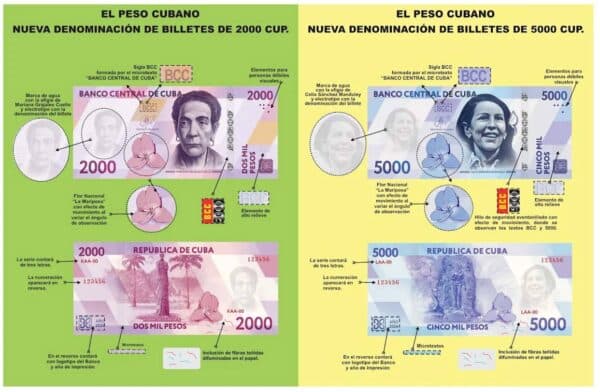
Cuba’s decision to introduce 2,000- and 5,000-peso banknotes is a blunt admission that the peso has lost so much purchasing power that smaller bills no longer fit daily life. What should have been a routine currency update has become a public argument about inflation, legitimacy, and who gets to define the symbols of the nation.
What the new bills really signal
The Central Bank moved to print the larger-denomination notes because cash shortages and rising prices made smaller bills impractical. That detail matters more than any design flourish, because it tells you the scale of the squeeze ordinary Cubans are living through: when routine purchases require more and more paper, cash itself becomes proof of economic strain. In that sense, the new banknotes are less a convenience than a billboard for collapse.
The practical meaning is easy to miss if you only look at the notes as objects. Their arrival says the state is adjusting the money supply to a reality in which everyday transactions have become cumbersome, and where carrying stacks of bills has become normal. The measure does not solve inflation, but it does acknowledge that the current cash system has fallen behind the prices people actually pay.
Why the faces on the notes became a national argument
The bigger shock is that, for the first time in Cuba’s republican history, the new notes feature women from national history rather than the male patriotic figures that have dominated official currency. That shift immediately pushed the bills out of the realm of accounting and into the terrain of identity. In Cuba, money is never just money when it carries the state’s most visible choices about who counts as representative.
That is why the reaction was so fast. Once the images of the notes were published, people did not simply ask whether the denominations were useful. They asked what kind of Cuba was being placed in their hands, and whether the country was honoring its past honestly or rewriting it in real time.
Danny Roque’s counterproposal sharpened the fight
The debate widened when priest Danny Roque proposed an alternative design that would replace human faces with native plants and birds. His argument was pointed and deliberate: living natural treasures should stand in for what he called dead people. That phrase landed like a challenge, because it cut straight through the ceremonial language usually surrounding patriotic symbols and asked whether national memory should be anchored in heroes, nature, or something else entirely.
The response from traditional patriots and other critics was immediate and intense. For them, the issue was not just taste, it was continuity. To replace the familiar logic of historical faces with flora and fauna felt, to many, like an unnecessary break with the symbolic language that has long organized the republic’s idea of itself.
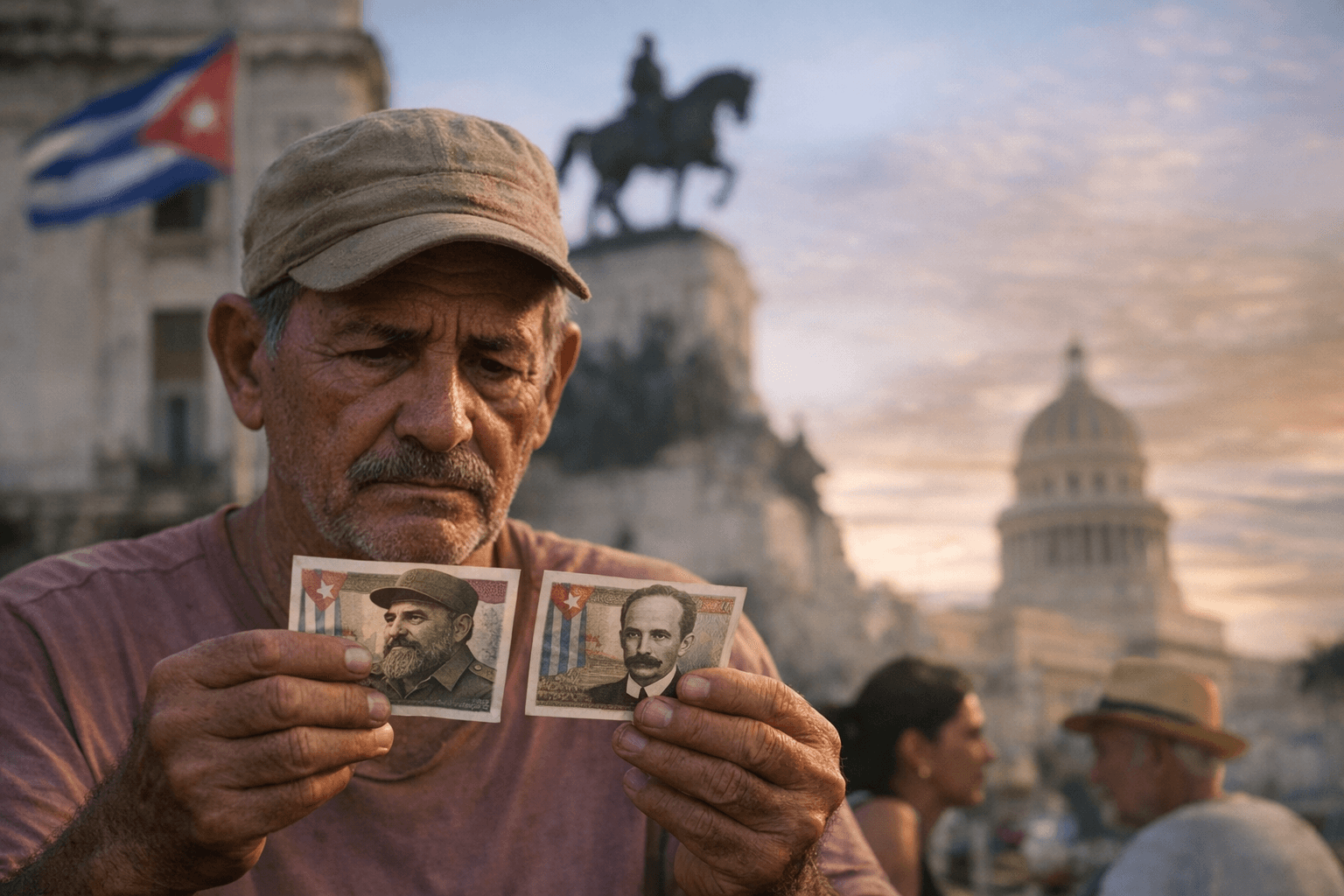
Inflation is the stage, but legitimacy is the plot
This is what makes the controversy bigger than design. In a country battered by inflation, the state is not only trying to make cash usable again. It is also trying to preserve the authority that comes with deciding what belongs on the money, who gets remembered, and which version of Cuba the public is asked to carry around every day. The banknotes have become a proxy battle over heritage, nationalism, and the future during collapse.
That is why the argument matters so much to Cubans who follow the island closely. Currency is one of the few things that moves through every pocket, counter, and market stall, which gives it a reach that speeches and decrees never have. When the state changes the face of money, it is changing the most intimate, repeated image of itself that citizens see.
What the cash crisis looks like on the ground
The need for 2,000- and 5,000-peso bills tells a simple story: daily life has become more expensive, more awkward, and more dependent on larger denominations just to keep up. If you need far more paper to buy basic goods, then the bill in your hand is no longer a stable unit of value, it is evidence of erosion. That erosion touches transport, food, and the rhythm of ordinary errands, where the number of notes in a wallet can feel like a running count of inflation.
It also explains why the debate around the new notes hit such a nerve. Cubans are not discussing this in the abstract. They are living the mismatch between official money and real prices every day, and the larger bills are simply the most visible sign of that gap. The currency crisis is not hidden in economic charts, it is printed in the denominations themselves.
A symbolic fight that reflects the wider Cuban moment
The most revealing thing about the new banknotes is how they turn a cash problem into a moral and political one. Supporters of the women on the notes see an overdue correction in how the nation remembers itself. Critics see a break with established symbolism at precisely the moment when stability feels most fragile. Roque’s proposal adds another layer, suggesting that the island’s identity could be rooted in its living natural wealth rather than in the faces of the dead.
That argument will not stop inflation, but it does show how deeply money, memory, and legitimacy are tangled together in Cuba right now. The new banknotes may make transactions easier, yet they also expose the harder truth underneath: when a state has to print bigger bills, it is not just updating cash. It is showing the world how much of its old economic authority has already slipped away.
This article was produced by Prism’s automated news system from verified source data, official records, and press releases, then run through automated quality and moderation checks before publishing. The system is built and supervised by the people who set the standards it runs under. Read our full AI policy.
Did this article answer your question?