Miami Cuban Americans back hard line on Cuba, resist deportation push
A poll of 800 South Florida Cuban and Cuban American voters found strong hawkishness on Havana but clear unease with deporting Cubans with no criminal record.
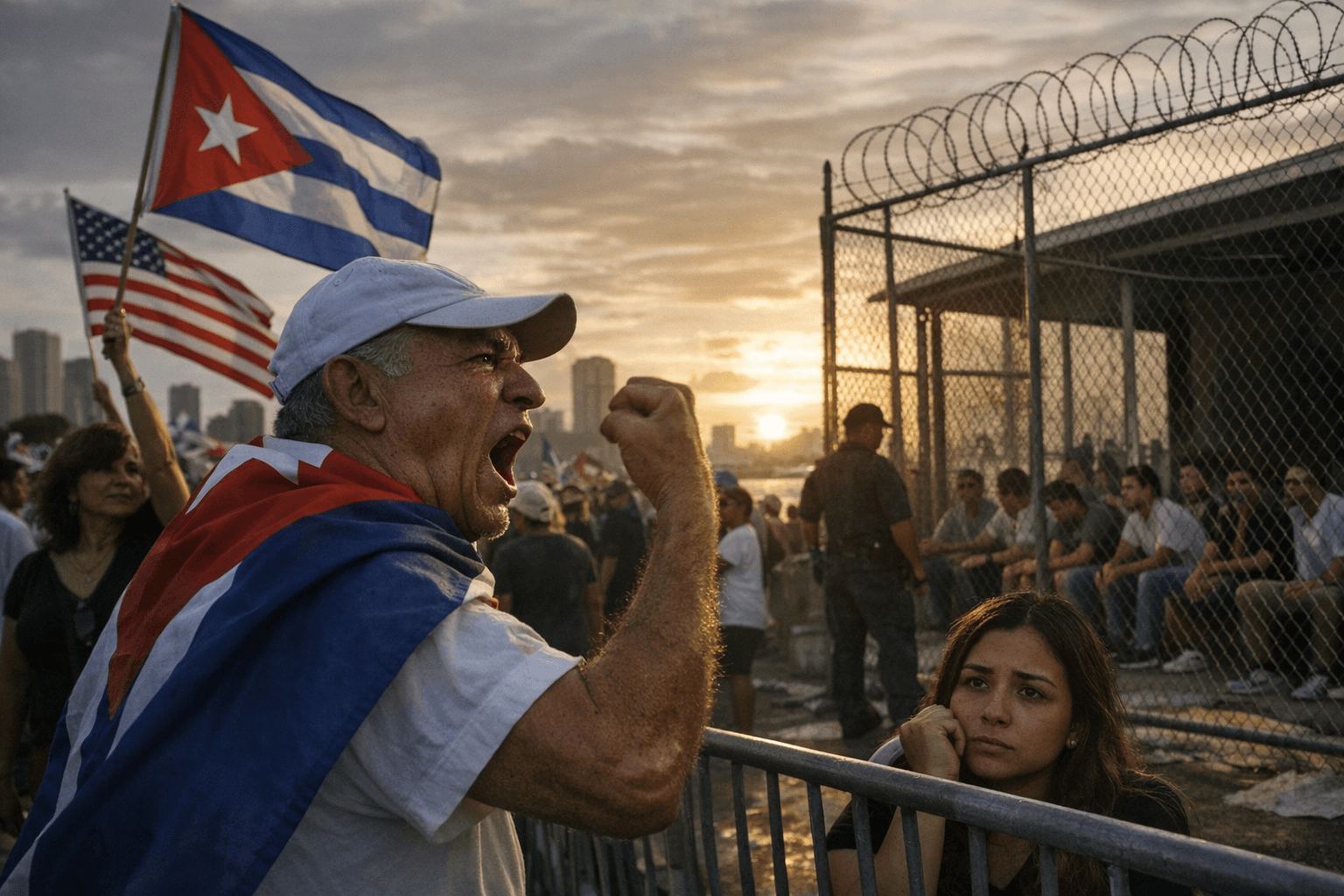
Cuban Americans in South Florida stayed firmly tough on Havana, but a new poll found they were far less united behind Donald Trump’s push to deport Cubans living in the United States, opening a political split inside one of the Republican Party’s most dependable blocs.
The survey, taken from April 6 to April 10 among 800 randomly selected Cuban and Cuban American residents from the Florida Keys to Palm Beach County, showed a community that still favored a hard line against Cuba’s government while bristling at enforcement that swept up migrants from the island without regard to criminal history. That distinction mattered: support for pressure on the regime did not automatically carry over to support for mass deportations in the United States.
The gap has immediate weight in South Florida, where Cuban American voters can shape elections and where Cuba politics has long blended anti-communist identity, exile politics and family history. Many respondents appeared willing to back a confrontational posture toward Havana, but they were more cautious when the issue turned to people who had come here from Cuba and now faced removal. The result exposed the limits of assuming that a hard line on Cuba always translates into blanket approval of immigration crackdowns done in Trump’s name.
The timing sharpened the tension. The Trump administration has been applying heavy pressure on Cuba and on Cuban migration at the same time, forcing many Cuban Americans to separate their opposition to the Castro-style system from their views on deportation. For some, the idea of punishing migrants who have no criminal record or whose cases do not fit a public-safety narrative went too far, even as they continued to back aggressive measures against the island’s rulers.
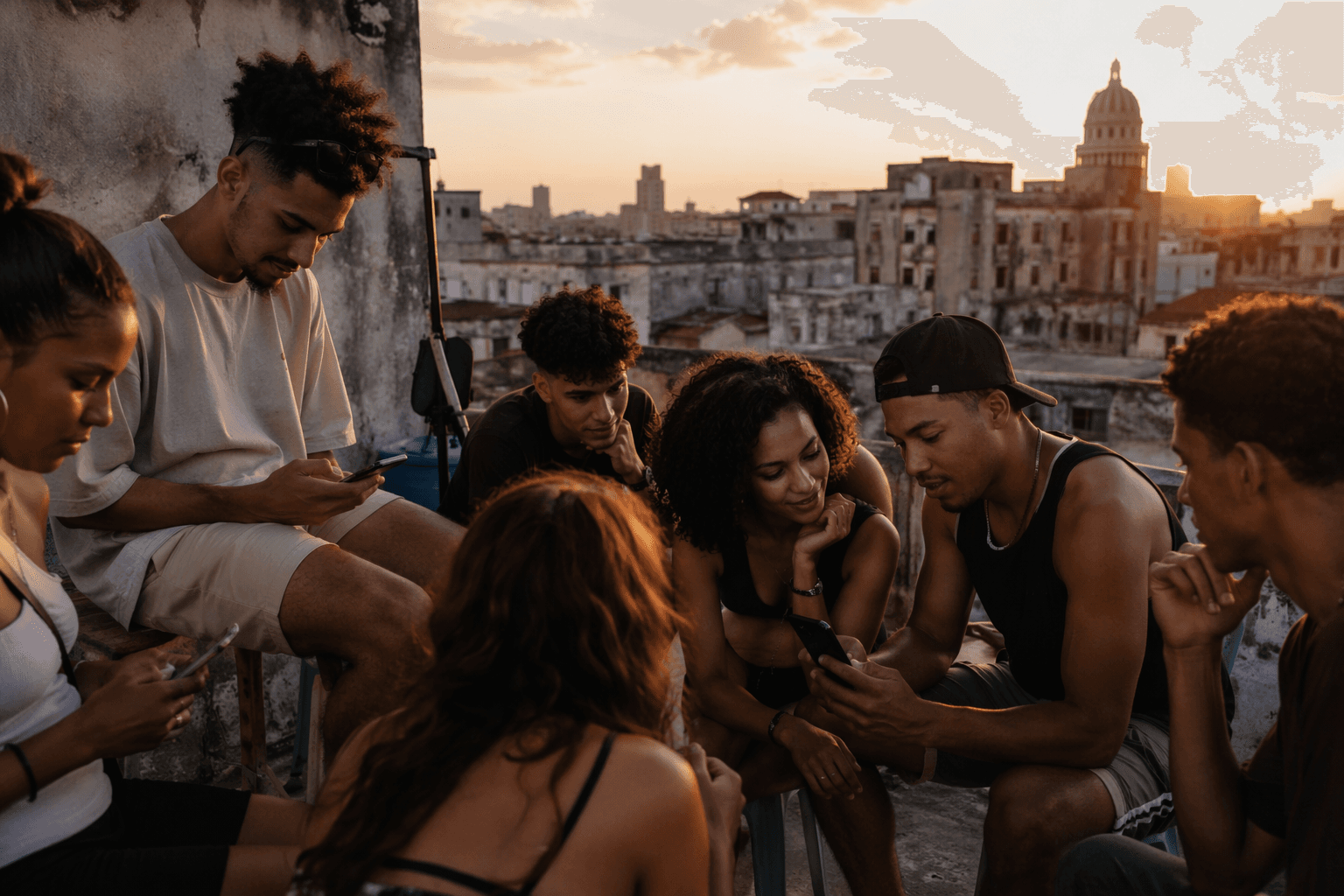
The poll also pointed to a generational divide. Younger Cuban and Cuban American respondents were less supportive of Trump’s approach than older voters, a sign that the community’s political habits may be changing. That shift matters far beyond one survey. It suggests that the old assumption that South Florida Cubans will rally behind every anti-Havana measure may no longer hold as firmly when the policy lands not on the regime in Havana but on families already building lives in the United States.
This article was produced by Prism’s automated news system from verified source data, official records, and press releases, then run through automated quality and moderation checks before publishing. The system is built and supervised by the people who set the standards it runs under. Read our full AI policy.
Did this article answer your question?