Cuba's transport crisis turns a family reunion into a long delay
The bus to Camagüey left hours late because there was no fuel, then hit a checkpoint and a storm that soaked the seats and floor.
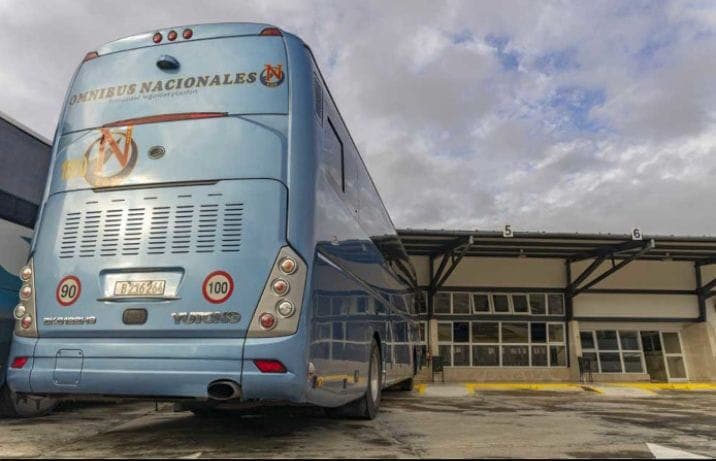
The bus to Camagüey sat in the Havana terminal for hours because there was no fuel to fill the tank. I had just seen my mother after more than a year apart, and what should have been a straightforward ride back turned into a lesson in how fragile interprovincial travel has become in Cuba.
The delay was not about traffic or a mechanical problem. The driver and passengers waited through the afternoon as the departure time kept slipping, another reminder that movement across the island now depends on whatever fuel is available, not on the timetable posted at the station. Cuba’s Ministry of Transportation had already announced a major restructuring of national transport services on May 15, with cuts to buses, trains, maritime routes and domestic air links taking effect June 18. In Camagüey, Miguel Arias Vázquez said daily state passenger transport had fallen from about 350,000 riders to 15,000, a drop of nearly 95.7 percent.
That collapse showed up in every part of the trip. In some eastern provinces, bus service has been reduced to sporadic departures as fuel shortages bite. The government’s statistics agency said freight traffic fell 19 percent in 2024, and passenger transport dropped 93 percent between January and September 2025. By June 18, Cuba had moved to stricter interprovincial rules, with fewer buses and trains and tickets handed out by provincial allocation instead of routine open sales. The old system of simply showing up and boarding has been replaced by waiting, uncertainty and whatever workaround people can find.
The road itself offered its own warning signs. At one checkpoint, police went through passengers’ belongings and focused on food, treating basic items as if they were suspicious cargo under a wider crackdown on so-called illicit enrichment. That same pressure is showing up elsewhere in the system. In Cienfuegos, one recent passenger complaint said terminal staff demanded 10,000 Cuban pesos for a seat on a bus to Havana, a price that turns transport into another arbitrary toll.
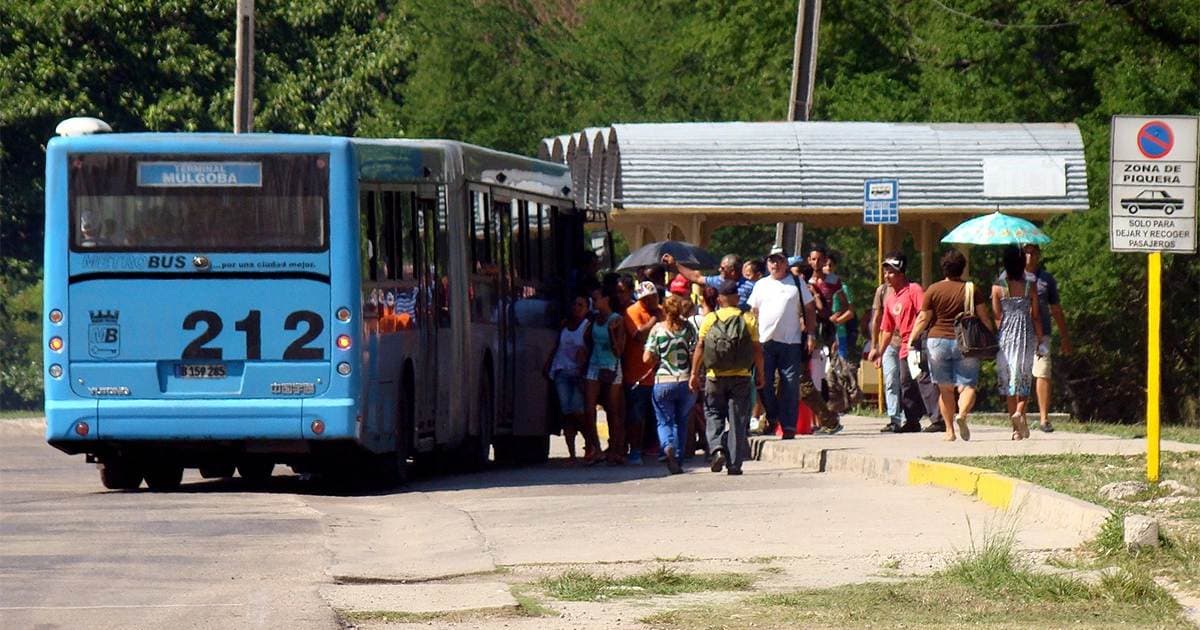
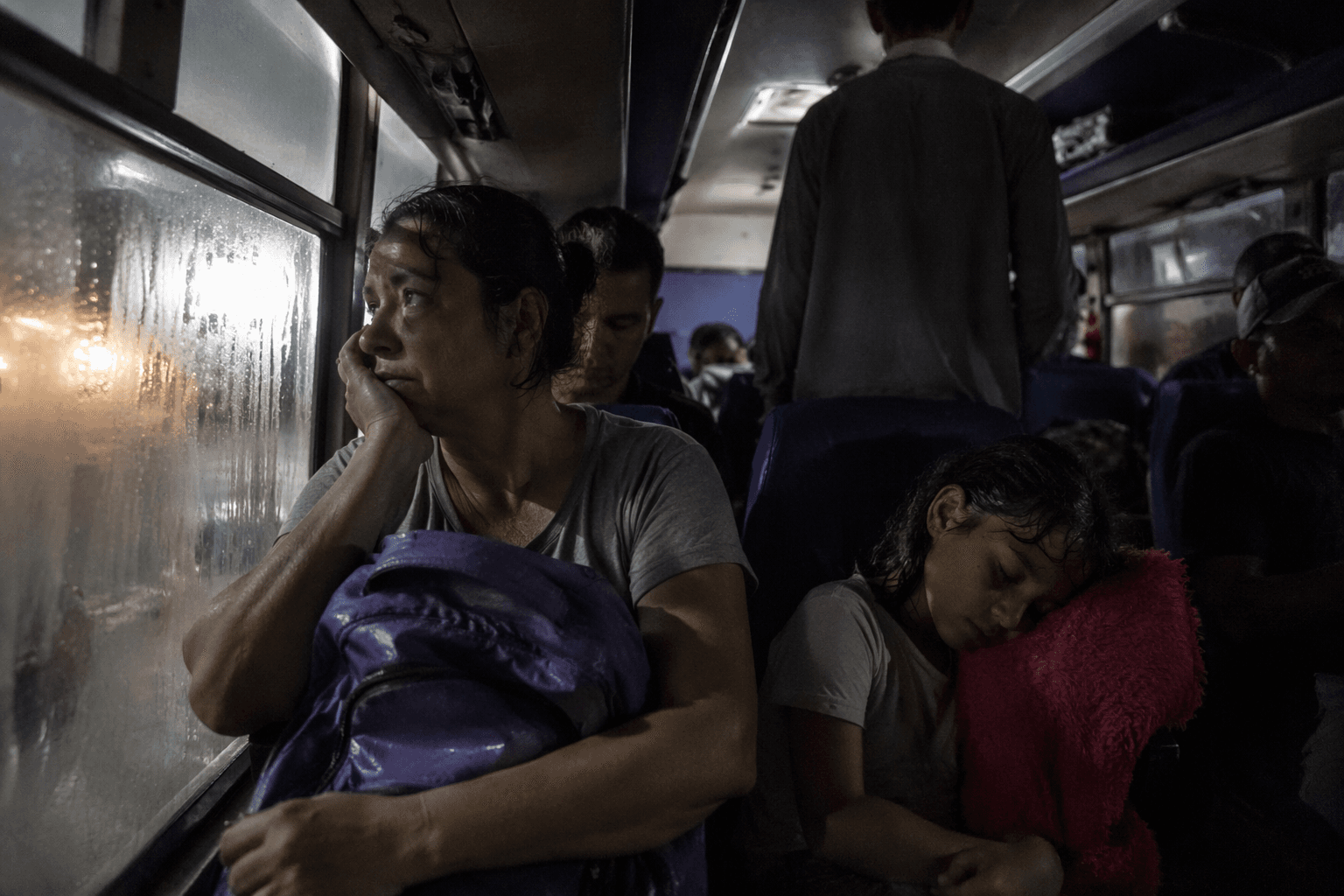
Then the rain came. A hard storm shook loose part of the roof, water poured into the bus, and the floor and seats turned wet fast enough that passengers had to stand or open umbrellas inside the vehicle. It was the most visible sign yet that Cuba’s transport crisis is no longer just about schedules or inconvenience. It is about a bus that cannot leave on time, a checkpoint that treats what you carry as a problem, and a ride home that ends with everyone soaked before they reach the next province.
This article was produced by Prism’s automated news system from verified source data, official records, and press releases, then run through automated quality and moderation checks before publishing. The system is built and supervised by the people who set the standards it runs under. Read our full AI policy.
Did this article answer your question?