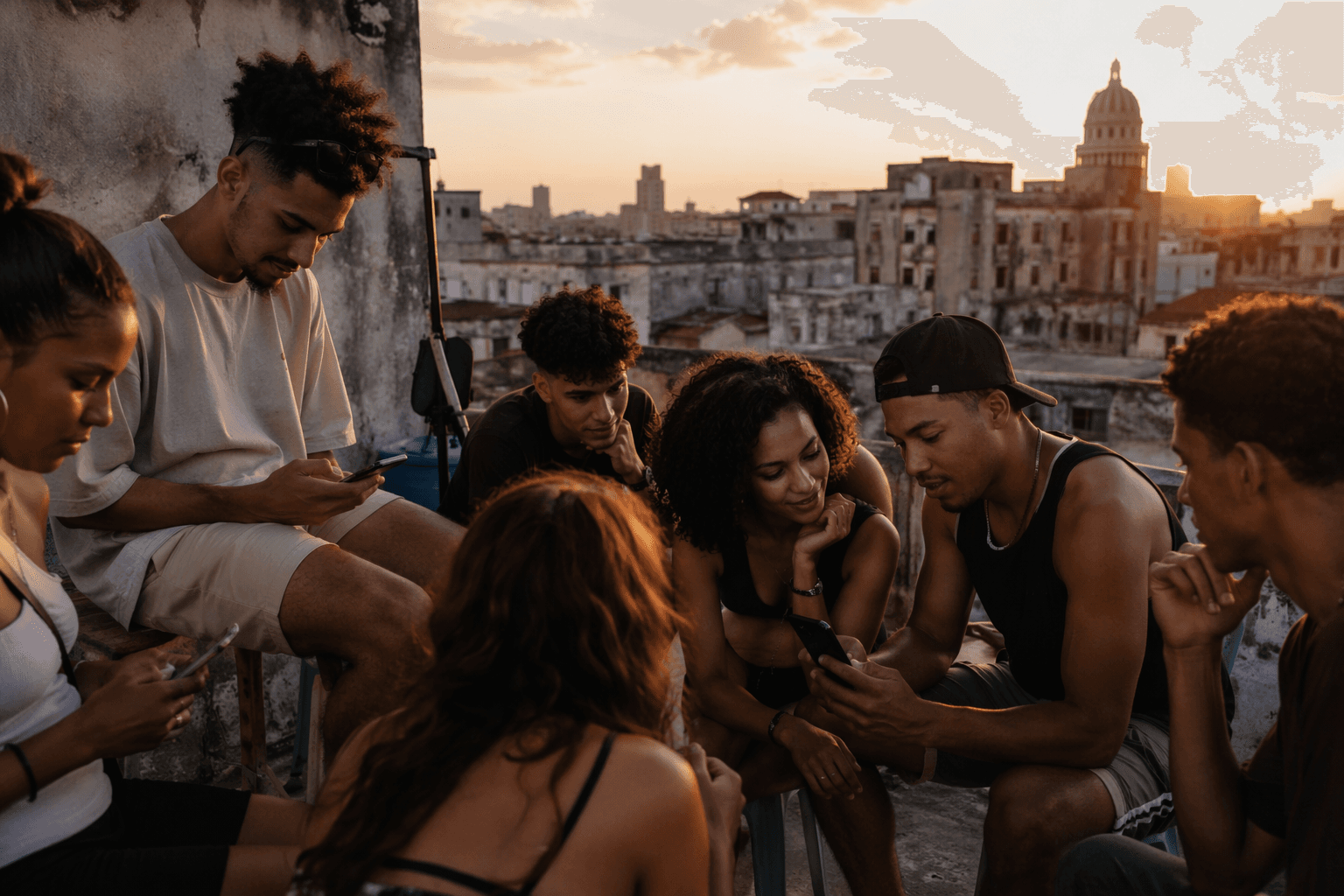
Free Cuban schools grow costlier as teacher shortages deepen
Free schooling still comes with a household bill: parents are buying repairs, while a 24,000-teacher gap is shrinking classrooms and services.
The hidden bill behind “free” school
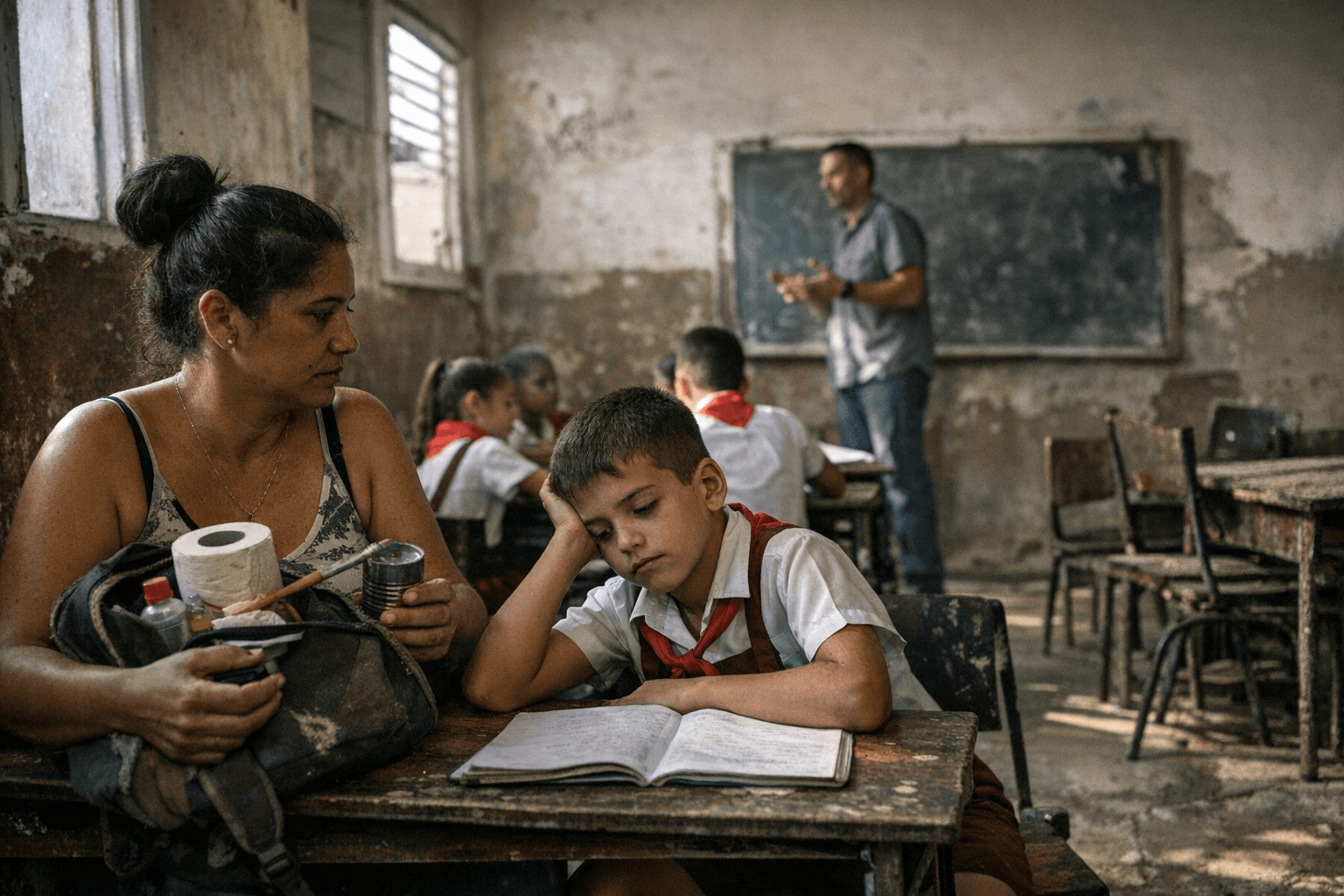
A first-grade classroom should not need to be split, merged, and squeezed around 54 children just because one teacher walked out for a better-paying job. Yet that is the reality now pushing through Cuba’s school system, where the official promise of free education is increasingly upheld by families paying for repairs, supplies, locks, lights, cleaning help, and the quiet labor of keeping classrooms usable.
The sharpest detail in Havana Times’ feature is also the simplest: “free” school is no longer free in practice. Parents are filling gaps the state can’t reliably cover, and they are doing it in a system that still formally presents education as a guaranteed public service. The result is not a one-time extra fee but a growing household burden that shows up in the most ordinary places, from a classroom’s broken fixtures to the cost of getting children to school at all.
What families are now absorbing
The new education bill in Cuba is not always a receipt, but it is always real. Parents are helping paint classrooms, buying locks and lights, paying for cleaning help, and covering repairs that used to be absorbed by the state. Those are the kinds of costs that never make it into the official promise, but they shape whether a child learns in a room that is safe, lit, and ready for use.
That burden lands hardest on working families with the least room to improvise. When schools need fuel, materials, or basic maintenance and the state response is delayed or incomplete, the costs move downhill, into kitchen-table budgeting and wage packets already stretched by inflation and shortages. In practice, the “free” system depends on private sacrifice to keep public schooling functioning.
The teacher shortage is the engine of the crisis
The deeper pressure comes from staffing. Havana Times says the Ministry of Education estimated 85% teacher coverage at the start of the school year, which means the system was short by roughly 15% of the posts it needed. UNICEF’s Cuba report puts the shortage at 24,000 teachers at the beginning of the school year, and CiberCuba reported that 12.5% of teaching positions were unfilled.
That shortage is not abstract. It is why the first-grade class was merged into another room to fit 54 children after one teacher quit to work in the private sector. It is also why schools are relying on temporary contracts and redistributed teaching loads, a sign of improvisation rather than a durable staffing fix. When a teacher leaves, the impact is not just one empty desk at the front of the room. It changes class size, attention, pacing, and the amount of individual help children can actually get.
Why teachers are leaving
Teachers are not simply walking away from work they dislike. They are being pushed by salaries that no longer keep up with everyday life. Havana Times describes low pay, inflation, ration cuts, and frequent blackouts as forces making it harder for educators to survive on state wages. In a country where even cooking and household routines can be derailed by electricity cuts, the job of being a teacher becomes inseparable from the struggle to manage a household.
That matters because teacher shortages are not just a staffing issue. They are a cost-of-living issue, a housing issue, and an infrastructure issue rolled into one. If a state salary cannot cover food, transport, and power disruptions, then the profession loses people to private-sector work or to any other income source that can better absorb daily shocks. Cuba’s schools are then left trying to function with temporary fixes, larger classes, and fewer stable staff.
A national shortage, not a local glitch
The scale of the problem shows up clearly in the numbers. UNICEF said Cuba’s education sector started the school year short 24,000 teachers, and CiberCuba reported 1.6 million students in primary, secondary, and pre-university education, with 12.5% of teaching positions unfilled. That shortage hits especially hard in urban areas, where demand is higher and the pressure on schools is stronger.
Havana Times adds an important historical layer: this shortage is not new. The outlet says officials were already acknowledging in September 2023 that some students were missing entire subjects because teachers were absent. It also notes that official statistics showed teaching staff rose by 31,638 between the 2018/2019 and 2021/2022 academic years, even though the shortages persisted. That combination tells the real story. Headcount alone has not fixed distribution, retention, or the conditions that keep teachers in the classroom.
How the wider crisis reaches the school gate
Cuba’s education strain sits inside a broader national emergency. UNICEF said the country’s social and economic challenges deepened in 2024, driven by low growth, inflation, declining food production, reduced purchasing power, and recurring electricity problems. Those pressures do not stay in one sector. They spill into schools, homes, clinics, and transport, making every public service harder to sustain.
The power grid is part of the same story. UNICEF reported three nationwide blackouts between October and December 2024, along with regular power cuts throughout the year. Those outages had immediate effects on education, health services, water supply, and food distribution. In other words, the classroom is only one stop in a much larger chain of disruption. When the grid fails, so does the daily organization that schools and families depend on.
What “free” now really means
Cuba’s Ministry of Education still describes schooling as a guaranteed state responsibility, and that official language now sits in obvious tension with the lived reality. Parents are effectively subsidizing the system through materials, repairs, and unpaid labor. Teachers are being asked to carry more students, more subjects, and more improvisation while their own living conditions worsen. The state promise remains intact on paper, but its cost is being pushed onto households in practice.
That is the central lesson of this education crisis: the price of “free” schooling is no longer invisible. It is showing up in the classroom walls parents paint, the locks they buy, the lights they replace, and the crowded rooms where a teacher’s departure can turn one class into two. In Cuba today, the hidden bill is the education system itself, and families are the ones paying it every day.
This article was produced by Prism’s automated news system from verified source data, official records, and press releases, then run through automated quality and moderation checks before publishing. The system is built and supervised by the people who set the standards it runs under. Read our full AI policy.
Did this article answer your question?