Havana Airport Jet Fuel Crisis Strands Tourists, Forces Mass Repatriation Flights
Nine Cuban airports ran out of Jet A-1, stranding 3,000 tourists and pushing Air Canada's Cuba suspension all the way to November 2026.
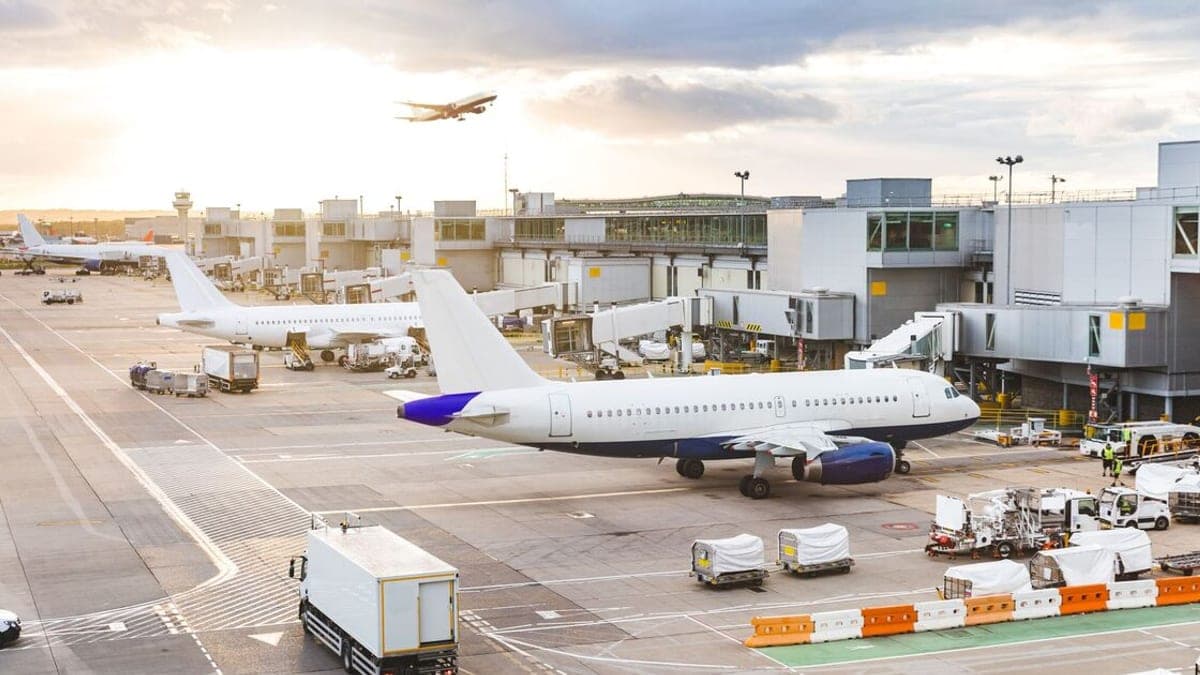
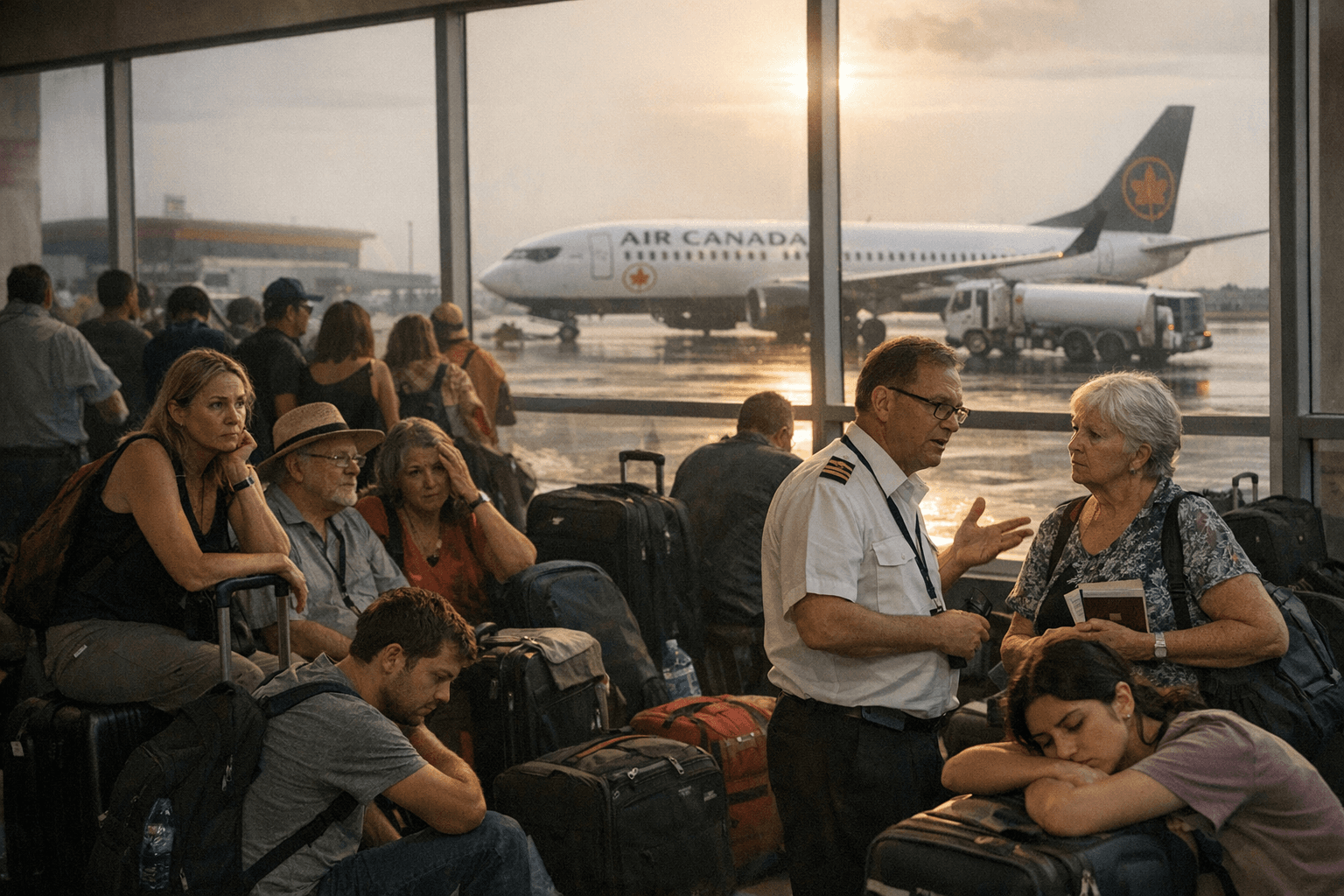
Three thousand Canadian tourists found themselves stranded across Havana, Varadero, Santa Clara and Cuba's other international gateways after aviation authorities warned that Jet A-1 fuel would no longer be commercially available at nine of the island's airports. The cascade of cancellations, repatriation runs and indefinite suspensions that followed effectively wiped out Cuba's spring and summer tourism season.
Air Canada moved first and most decisively. The carrier halted all Cuba service on February 9, citing a clear bottom line: aviation fuel would not be commercially available as of February 10. It dispatched empty southbound ferry flights to retrieve the roughly 3,000 passengers already on the island and later pushed its planned restart from May all the way back to November 1, 2026, citing rolling power cuts and hotel closures in addition to the fuel shortage. WestJet kept limited service running but loaded enough fuel at Canadian departure points to complete each round trip without depending on Cuban supply, telling passengers its flights would carry sufficient fuel to "safely depart without reliance on local fuel availability." Air Transat initially held its schedule, then reversed course within 48 hours, suspending Cuba service through April 30 and issuing automatic refunds. It also noted that several Cuban resorts had been shuttered temporarily due to low occupancy. LATAM Airlines Peru halted its Lima-Havana route from mid-February; Air Europa kept flying but inserted technical refueling stops in nearby hubs rather than trust Cuban ground supply.
The warnings came well before the crisis peaked. Aviation NOTAMs issued in late January and February flagged unreliable on-site fuel at airports nationwide: José Martí International in Havana, Juan Gualberto Gómez in Varadero, Abel Santamaría in Santa Clara, plus Holguín, Santiago de Cuba and Cayo Coco. That advisory was extended through March 11, then renewed again. By April, the contingency language in those notices had become operational reality.
The shortage traces directly to Cuba's broader 2026 energy collapse. Trump administration pressure on oil shipments to the island, combined with already-constrained refined fuel imports, drained supply across the whole economy before it hit the airport. In Havana, public buses had effectively stopped running and health services were being rationed before carriers announced suspensions. The jet fuel problem is the aviation symptom of a national logistics failure, not a stand-alone incident.
For travelers with Cuba bookings still on the calendar, the practical checklist is short and non-negotiable. Check flight status repeatedly in the days before departure, not once at booking. Carry refundable tickets or flexible routing through a third-country hub as a fallback. Bring enough cash, in euros or Canadian dollars, to cover several unplanned nights of accommodation, since card terminals are unreliable during blackouts. Stock medication and essentials for at least a week beyond your planned return date. Passengers whose flights are canceled outright are entitled to full cash refunds rather than vouchers under EU261/2004 for European carriers and equivalent Transport Canada protections for Canadian operators; push for the refund, not the credit.
The economic stakes for Cuba are steep. Tourism is the island's primary source of hard currency, and the Canadian market represents its single largest visitor pool. With Air Canada dark until November, Air Transat suspended through April and WestJet operating at reduced capacity, a dominant share of that income has vanished at exactly the moment Cuba can least absorb the loss. The fuel shortage that grounded the planes is already grounding the economy with it.
This article was produced by Prism’s automated news system from verified source data, official records, and press releases, then run through automated quality and moderation checks before publishing. The system is built and supervised by the people who set the standards it runs under. Read our full AI policy.
Did this article answer your question?