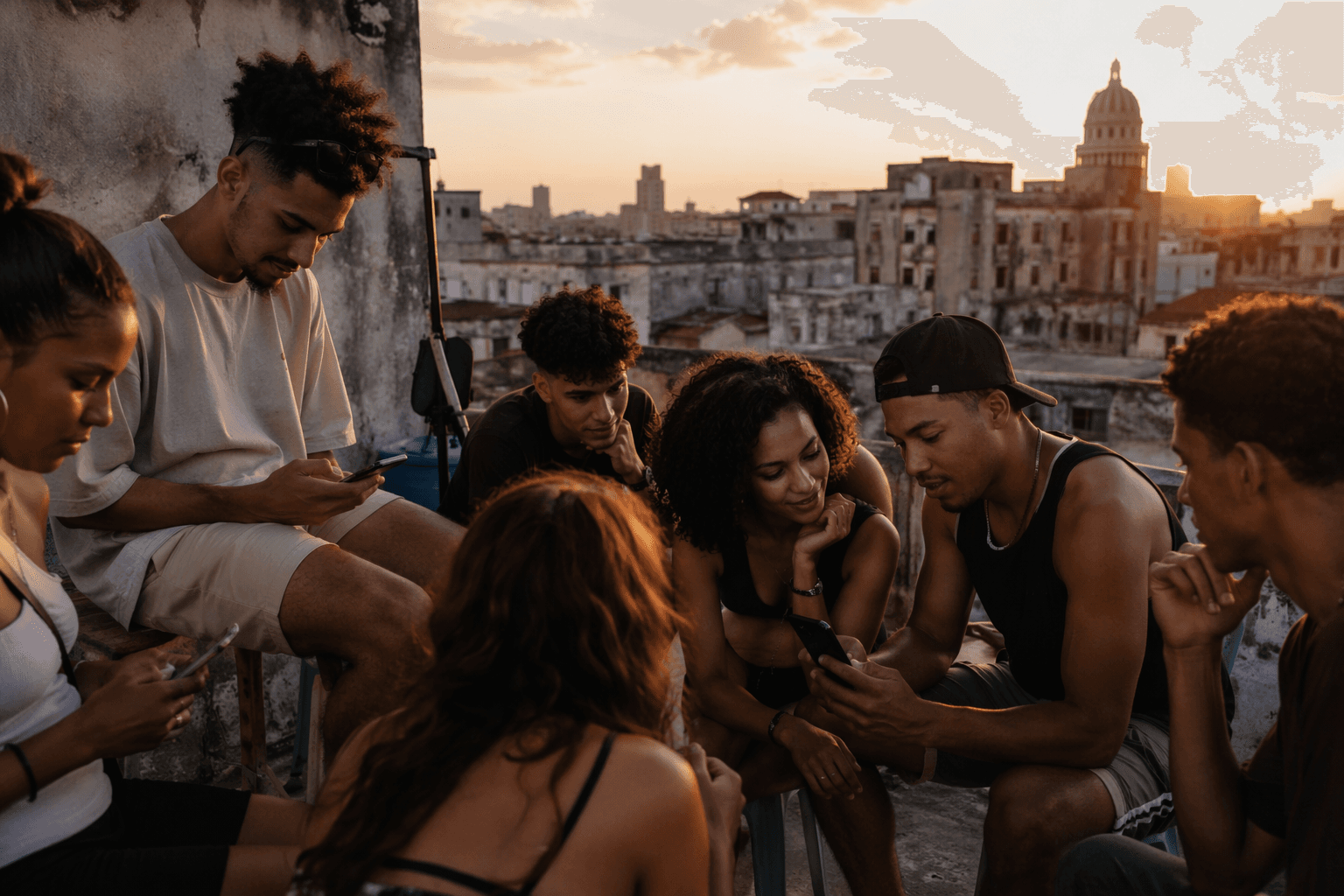
Havana campaign pressuring Cubans to sign loyalty pledge, critics say
Cubans were asked to sign with full names and ID numbers, turning a pro-government pledge into a workplace loyalty test, critics say.
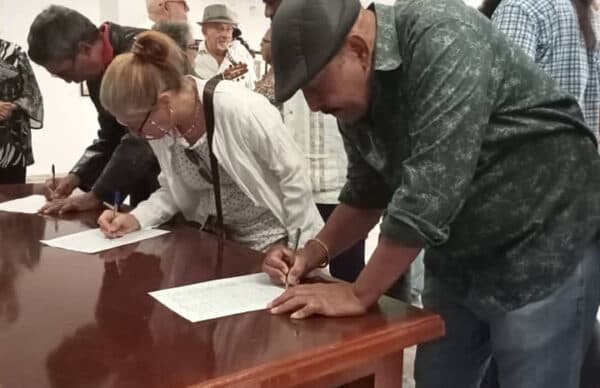
A signature drive that began in workplaces and schools across Cuba has turned into a test of loyalty as much as a show of unity, with employees summoned to sign with their full names and ID card numbers. Critics say the campaign, branded My Signature for the Homeland, is less a spontaneous expression of support than a staged ritual meant to measure who complies and who stays away.
President Miguel Díaz-Canel Bermúdez launched the campaign on April 19, 2026, and official Cuban coverage tied it to the 65th anniversary of the declaration of the socialist character of the Cuban Revolution. State media framed it as a defense of sovereignty against U.S. pressure and linked it to the memory of Playa Girón, or the Bay of Pigs, presenting signatures as a political answer to external aggression. Cuban authorities said the drive was open to people age 16 and older and would run through communities, workplaces and schools.
That public language of unity clashes with the way the campaign is being carried out, critics say. Workers are called in, speeches are delivered, and time that should be spent on actual duties is diverted to what they describe as a political performance. In some state workplaces, employers have even organized transportation so staff can show up and sign, a reminder that the state apparatus is not just asking for support but arranging it. Because each signature is tied to an identity card number and a full name, refusal is not invisible. It leaves a record.
The pressure lands in a country already stretched by shortages, poverty and rising prices. Many Cubans are also expected to keep up payments and dues to mass organizations, including the Communist Youth Union, the Communist Party of Cuba, women’s groups, unions and territorial militias. Against that backdrop, critics see the signature campaign as one more demand layered onto daily economic strain, a public performance of enthusiasm that carries quiet costs for anyone who does not join in.
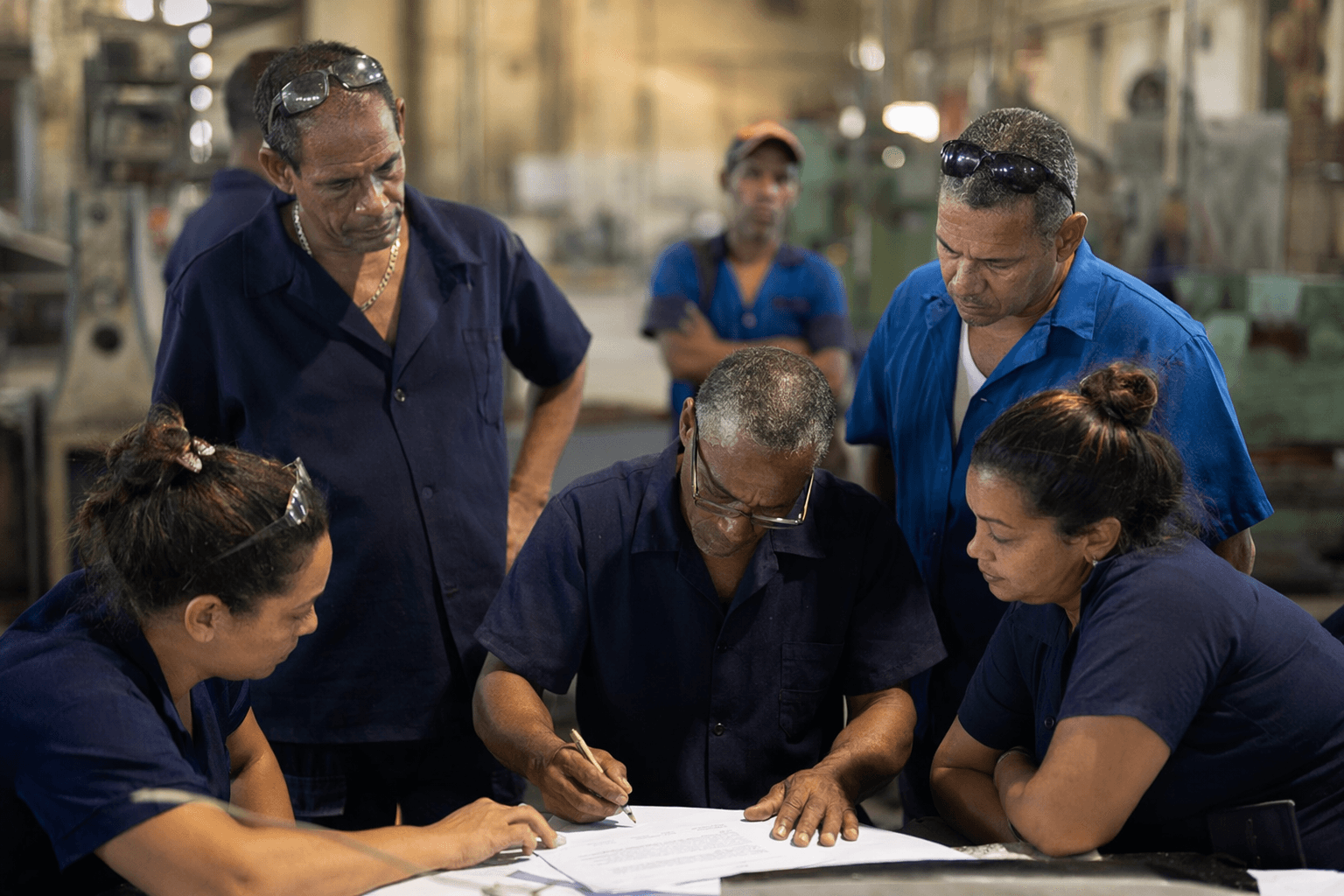
The government says the effort has swept across the island. By May 1, 2026, state-linked reporting said 6,230,973 signatures had been collected, a number officials presented as proof of national backing. But the figure also shows why the campaign matters politically: it offers the leadership a large, quantifiable claim of legitimacy at a moment when Washington still maintains a comprehensive embargo on Cuba and the Trump administration has moved to restore a harder line on the island.
That is the deeper logic critics see in the drive. In a system where signatures can be monitored, counted and displayed, the line between consent and coercion grows thin. What is presented as patriotic unity can also function as a loyalty test built into the everyday machinery of the Cuban state.
This article was produced by Prism’s automated news system from verified source data, official records, and press releases, then run through automated quality and moderation checks before publishing. The system is built and supervised by the people who set the standards it runs under. Read our full AI policy.
Did this article answer your question?