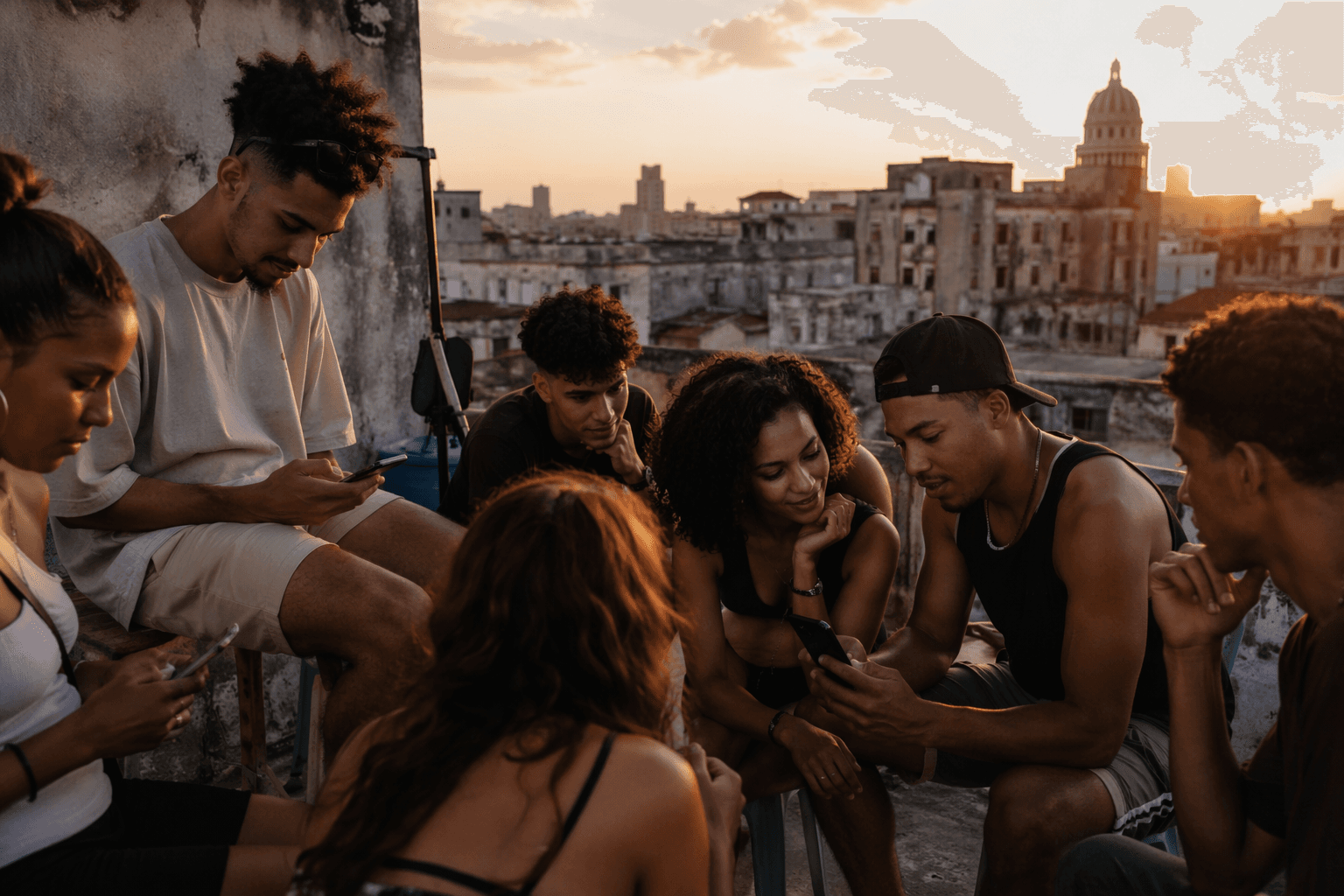
Havana’s blackouts and heat turn sleep into a class privilege
Havana’s nights are breaking along class lines, with blackouts and heavy heat making real sleep a luxury for those without backup power.
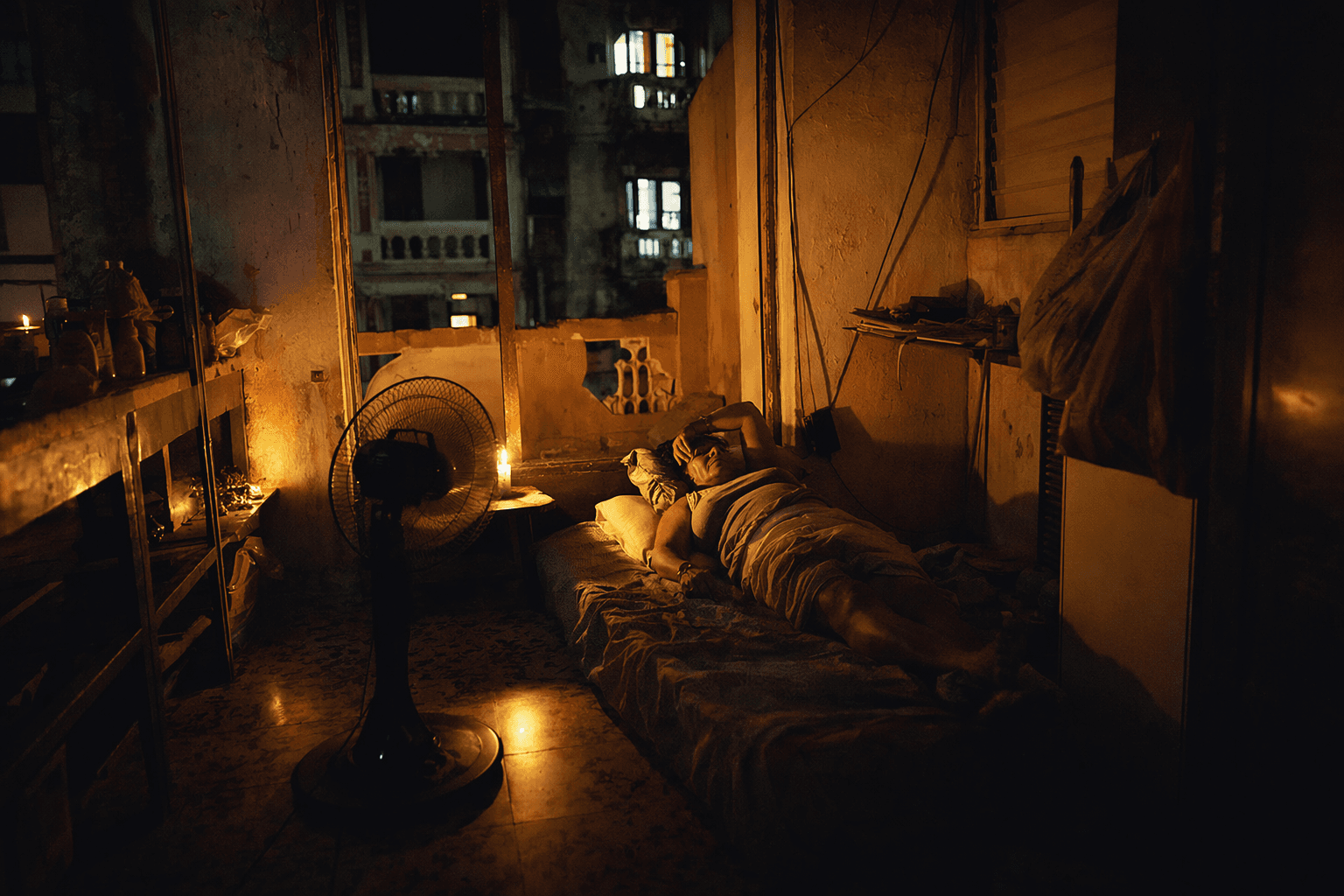
Sleep has become a status symbol in Havana
The real divide in Havana right now is not just who has electricity and who does not. It is who can stay asleep when the lights go out, the heat hangs in the rooms, and the night turns into a long, sweating wait for dawn. In a May 12 opinion piece, Havana Times described a city where the simple act of resting has become a luxury, and where the same complaint keeps surfacing from neighbors, strangers, and people on the street: nobody slept.
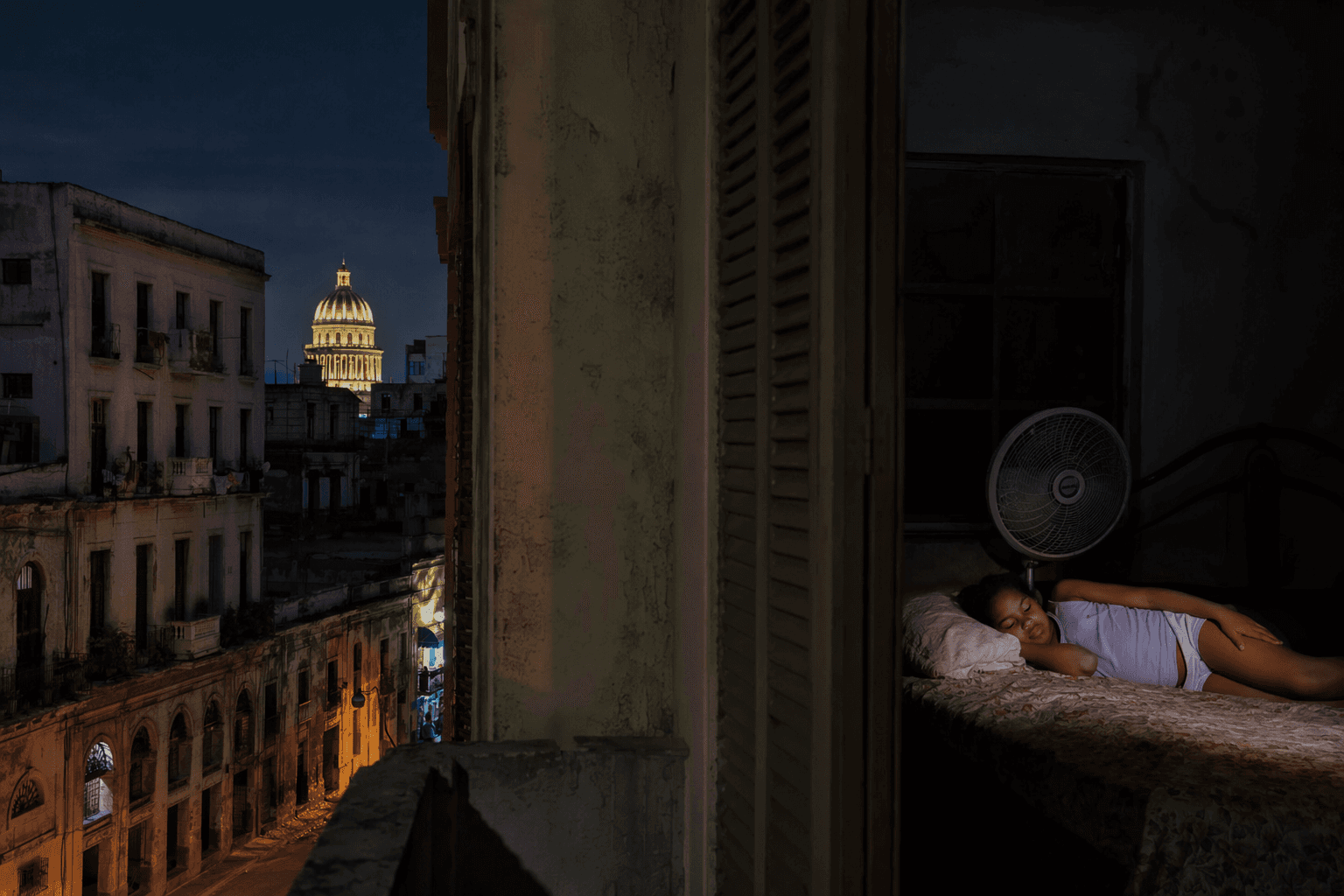
That is the sharpest way to understand the blackout crisis in the capital. This is not only about inconvenience or a few dark hours. It is about the collapse of a basic daily function, one that exposes how uneven life in Havana has become. The people who can buy fuel, batteries, better housing, or some form of backup power have a way to insulate themselves. Everyone else is left with mosquitoes, sweat, noise, and the nervous strain of waiting for the next outage.
What changed in Havana
Reuters reported in May 2025 that daily blackouts averaging four hours or more had already become the new normal in Havana, even before the situation worsened again in 2026. By mid-May 2026, Reuters said the capital was facing its worst rolling blackouts in decades, with some residents and officials describing outages that lasted 20 to 22 hours a day.
That kind of disruption does more than dim the room. It reshapes the schedule of the city. Work, transport, sleep, and the most ordinary household routines all start bending around the grid instead of the other way around. Reuters has tied the outages to fuel shortages, aging infrastructure, and the wider economic crisis, and Cuban officials said in May 2026 that the island had run out of diesel and fuel oil, the fuels that help keep the system running.
The heat makes the cuts harder to endure
The power cuts would be punishing on their own. Add Havana’s heat, and they become a sleep problem. Early May 2026 climate reporting said Cuba was heading into an unusually warm month, which made fans and air conditioning far more than a comfort issue. Without power, the night does not cool down enough to recover.
That is where the story turns from a technical failure into a social one. The people with backup options can keep a room livable. The people without them are stuck inside the full experience of the blackout: stale air, accumulated heat, mosquitoes, and the kind of fatigue that carries into the next day. The writer’s point is plain, and it lands because it is so basic: in Havana, sleep itself is now part of the inequality problem.
How people are coping
Coping in Havana is increasingly a matter of resourcefulness, money, and access. The research notes point to a familiar split. Some households can buy batteries or fuel, live in better housing, or rely on backup power. Others cannot, and that difference now determines whether a night feels bearable or endless.
The broader picture is a city and an island forced into improvisation. The blackout crisis is not just changing how people move through the day. It is changing how they measure safety, comfort, and even dignity at night. When electricity becomes something you have to chase rather than expect, the people who can patch together a workaround start to separate from the people who simply have to endure.
Why this is becoming a public crisis
By May 13 and 14, 2026, the blackout problem had spilled well beyond private frustration. Reuters and the Associated Press reported protests in Havana neighborhoods, where residents banged pots, burned trash, and blocked streets in response to the outages. At the same time, the national energy grid suffered a major failure that cut power across eastern Cuba.
That matters because it shows how quickly the electricity crisis moves from domestic misery to public disorder. Hospitals, transportation, water pumping, refrigeration, and nighttime safety all depend on a functioning grid. Once those systems start failing together, the blackout story stops being about an inconvenience and becomes a public-health and public-order emergency.
The politics around that emergency have hardened too. Officials blamed U.S. sanctions and the fuel embargo, while the U.S. government offered $100 million in aid as Cuba’s grid continued to buckle. The result is a crisis with local, national, and diplomatic layers all piled on top of the same failing system.
A crisis with a long fuse
None of this came out of nowhere. Cuba’s power problems have been worsening for years, and the scale of the current crisis makes more sense when you look back at March 2024, when blackouts reportedly reached up to 18 hours a day at their peak. Repeated grid collapses followed in 2025 and 2026, which means Havana’s sleepless nights are the latest stage of a much longer breakdown.
The pattern is important because it explains why so many people now describe the city in terms of endurance rather than expectation. A one-off outage is a nuisance. A system that keeps failing changes habits, health, work, and trust. It makes the idea of a normal night feel fragile, and in Havana, that fragility now reaches all the way to sleep.
The darkest part of the blackout story is not only that the lights go out. It is that in Havana, for those without the means to buffer the loss, the night no longer promises rest at all.
This article was produced by Prism’s automated news system from verified source data, official records, and press releases, then run through automated quality and moderation checks before publishing. The system is built and supervised by the people who set the standards it runs under. Read our full AI policy.
Did this article answer your question?