Jamaica Ends Cuban Medical Program, Repatriates 277 Medical Workers Under U.S. Pressure
Jamaica terminated its health cooperation with Cuba after talks stalled, and Cuba said it will repatriate 277 medical professionals, blaming US pressure.
Jamaica’s foreign ministry announced it would terminate its long-running medical cooperation with Cuba after it and Havana failed to agree new terms, and Cuba’s Ministry of Foreign Affairs responded by saying it would repatriate 277 members of its medical brigade. The move severs a program Havana says treated millions of Jamaicans and restored sight to thousands through Operation Miracle.
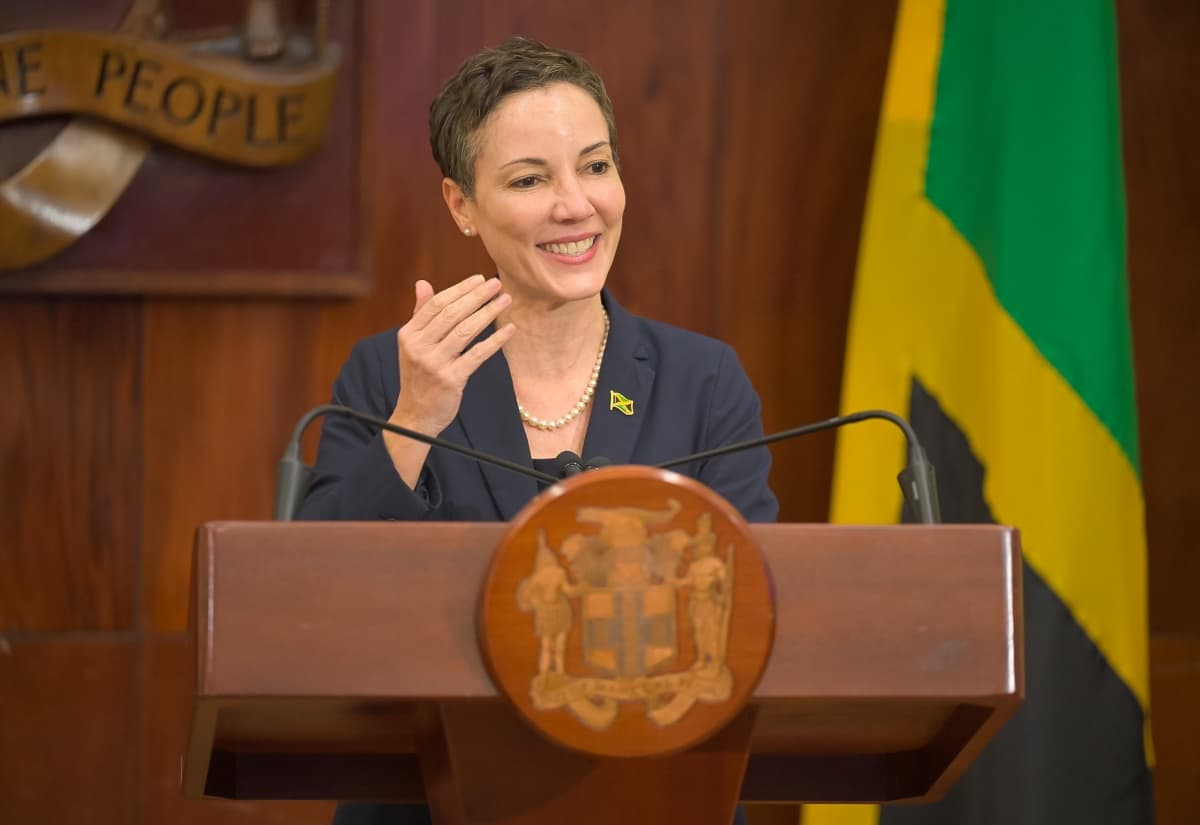
Jamaica informed its embassy on March 4 of what NyCaribnews described as the government’s unilateral decision to terminate the health cooperation agreement that has linked both nations for decades. The ministry said the two governments were unable to agree on the terms for a new arrangement after a previous agreement expired in February 2023, and Foreign Affairs and Foreign Trade Minister Kamina Johnson Smith told Parliament, when asked whether Washington had played a role, “No.”
The Jamaican government signalled alternatives even as it moved to end the program: officials said they were open to engaging Cuban medical professionals on individual contracts provided local labour laws were met, and the ministry stated that “the medical professionals will be allowed to continue working for the duration of their scheduled tenure.” Health and Wellness Minister Christopher Tufton has earlier said there were “about 300 Cuban doctors and medical professionals” working on the island despite the 2023 expiry, while The Gleaner reported the Cuban health workers had between four months to two years left on their contracts.
Cuba’s reaction was swift and pointed. The Cuban Ministry of Foreign Affairs posted that “With this action, the Government of Jamaica yields to the pressures of the Government of the United States, which is not concerned about the health needs of the Caribbean brothers,” and added, “In response to the step taken by the Government of Jamaica, the Government of Cuba has made the sovereign decision to proceed with the return of the Cuban Medical Brigade.” Cuba’s statement, reproduced by Jamaican outlets, said it “deeply regrets” the decision and that the brigade’s members “leave behind an indelible mark” and will return “with the satisfaction of a duty fulfilled.” Cuba’s deputy foreign minister Carlos Fernández de Cossío also criticised ongoing pressure from the U.S. regarding the island’s medical missions.

Havana supplied detailed operational tallies it attributes to the brigade’s work in Jamaica: “Through the Medical Brigade, more than 8,176,000 patients were treated, 74,302 surgical procedures performed, 7,170 births attended and more than 90,000 lives saved,” and it said Operation Miracle has restored or improved the sight of nearly 25,000 Jamaicans since 2010. Regionally, Jamaica’s decision follows similar rollbacks: Guatemala and Honduras announced ends to Cuban doctor programs in February, more than 150 Cuban medical staff departed Honduras the day before Jamaica’s announcement, and the Bahamas said in June it was preparing to cancel contracts with Cuban healthcare professionals.
Key contradictions remain on the ground. Jamaica’s ministry insisted staff could finish their scheduled tenure, while Cuba has declared it will withdraw the brigade of 277 professionals. Reporting has also produced differing head counts: Cuba’s MFA gives the precise withdrawal figure as 277, Tufton used an “about 300” approximation, and Johnson Smith had cited “more than 400” Cuban medical personnel in Jamaica roughly a year earlier. How quickly Havana moves to repatriate the 277 and whether Jamaica will be able to replace services in underserved areas and specialised programmes such as eye care will determine the immediate impact on the island’s health system.
This article was produced by Prism’s automated news system from verified source data, official records, and press releases, then run through automated quality and moderation checks before publishing. The system is built and supervised by the people who set the standards it runs under. Read our full AI policy.
Did this article answer your question?