Lula Urges End to U.S. Blockade as Cuba Faces Deepening Crisis
Lula pressed for an end to the U.S. blockade as Cuba’s fuel crunch spread blackouts, transport breakdowns and food shortages across the island.
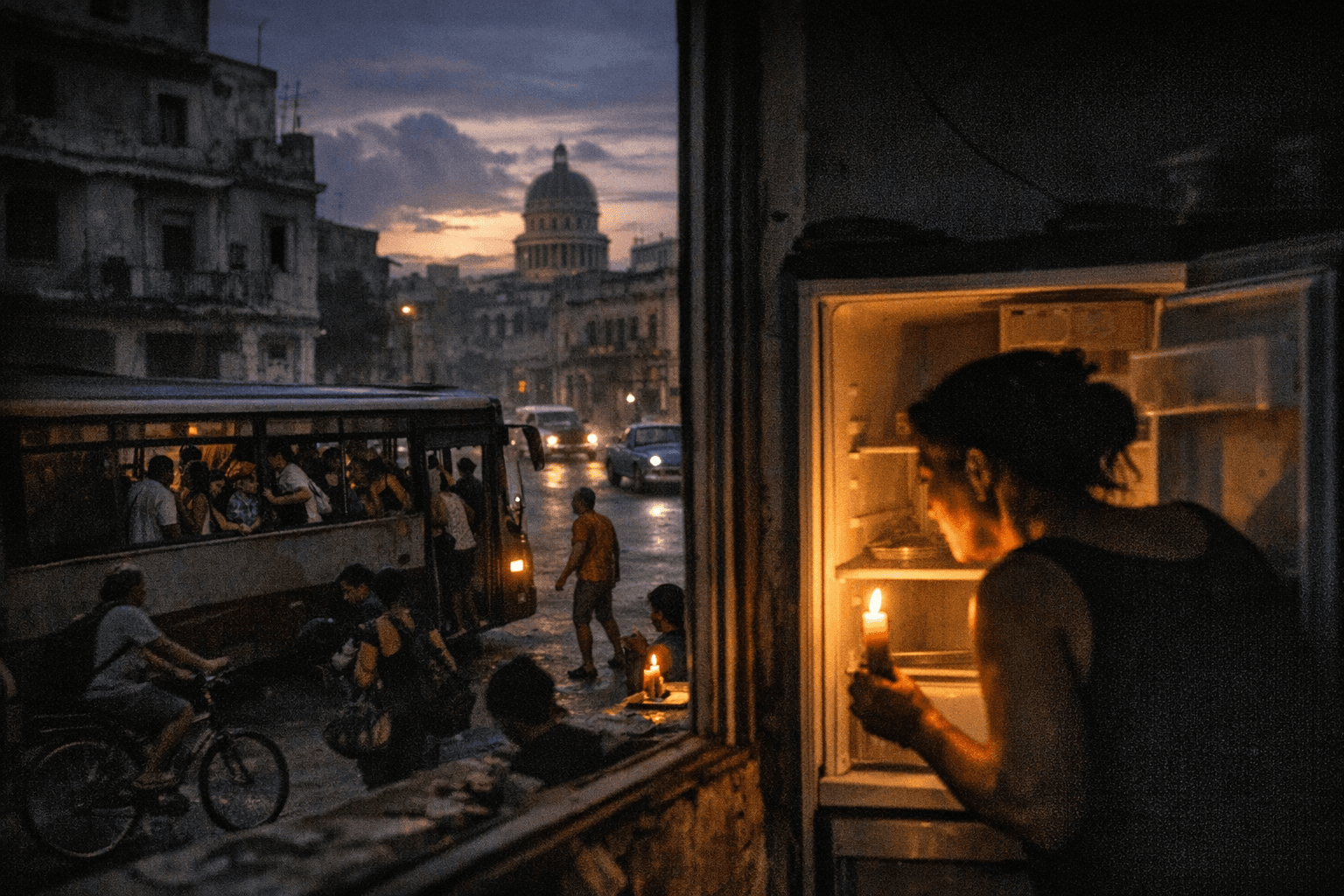
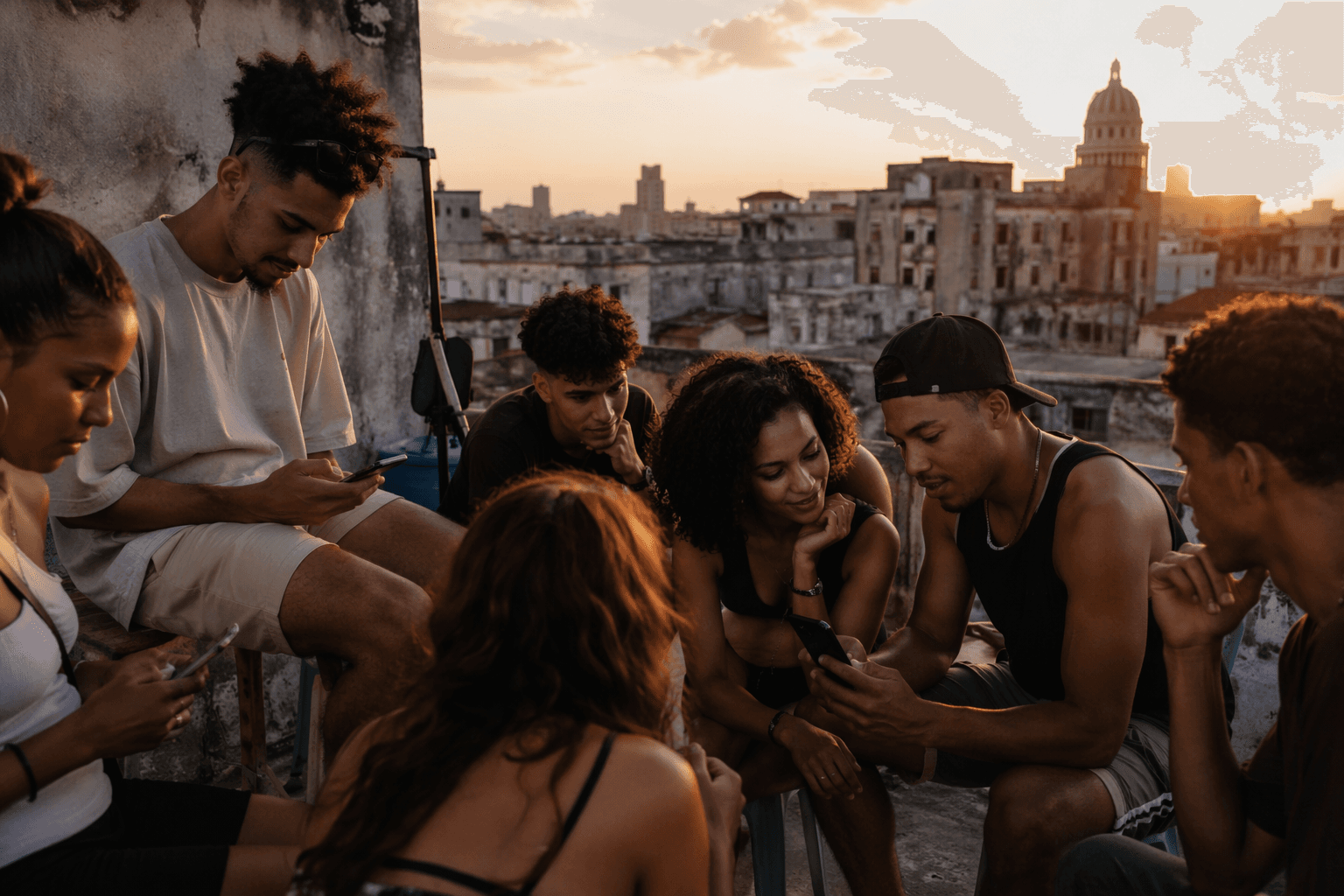
Luiz Inácio Lula da Silva used a public forum to reopen one of Latin America’s most enduring fights over Cuba, calling for an end to the U.S. blockade and arguing that Cuba’s problems were for Cubans to solve without outside interference. He said Cubans should be allowed to “live their lives,” a line that landed against the backdrop of a worsening crisis in Havana, where electricity cuts, fuel shortages and food scarcity have become part of daily life.
Lula’s intervention mattered because it came as the pressure on Cuba had become harder to ignore. The United Nations said external measures affecting the island reduced oil and fuel supplies after Jan. 29, 2026, worsening electricity supply, transport and access to essentials. ACAPS estimated that about nine million people in Cuba had been affected since early January by the fuel scarcity and related shortages. The UN has said humanitarian needs remain acute even after some limited fuel arrivals.
The Brazilian president has been sharpening his criticism for months. On March 4, 2026, he said Cubans were going hungry because they were being denied access to basic necessities. He had already condemned the blockade at the Brazil-Caribbean summit in June 2025, keeping Cuba on his diplomatic agenda as many leaders in the region have grown impatient with Washington’s policy. The issue remains politically charged in both Havana and Washington, where Cuba’s government blames U.S. sanctions for instability while critics argue the island’s own governance failures have deepened the crisis.
The diplomatic backdrop is familiar but still striking. The U.S. embargo dates to 1960 and the United Nations General Assembly has adopted a resolution calling for an end to it every year since 1992. On Oct. 30, 2024, that resolution passed by 187 votes to 2, with one abstention, underscoring how isolated Washington is on the issue at the UN. The vote did not change policy, but it reinforced how far the rest of the world has moved from the U.S. position.
Inside Cuba, the stakes are immediate. The Inter-American Commission on Human Rights warned on March 25, 2026, of a worsening humanitarian crisis in the country, while U.S. lawmakers Pramila Jayapal and Jonathan Jackson visited Cuba in early April and called for a permanent solution after seeing the situation firsthand. Their trip, like Lula’s comments, reflected a growing regional argument that sanctions alone are not containing the crisis, but are instead pushing ordinary Cubans deeper into shortages, blackouts and uncertainty.
This article was produced by Prism’s automated news system from verified source data, official records, and press releases, then run through automated quality and moderation checks before publishing. The system is built and supervised by the people who set the standards it runs under. Read our full AI policy.
Did this article answer your question?