Malliotakis calls for probe of Democrats over Cuba ties, treason claim
Malliotakis escalated the Cuba fight by urging an FBI probe of Democrats after their Havana trip, turning sanctions and aid into a sharper political test.

Nicole Malliotakis pushed the Cuba fight into new territory by calling for an FBI investigation of Democrats and liberal groups she says are helping Havana evade U.S. sanctions, and she framed the alleged conduct as potential treason. The Republican from New York’s 11th Congressional District, which includes Staten Island and parts of Brooklyn, has made Cuba policy a central political weapon as Washington’s divide over the island deepens.
Her demand landed after Democratic Reps. Pramila Jayapal of Washington and Jonathan Jackson of Illinois spent five days in Cuba in early April, meeting with Cuban President Miguel Díaz-Canel, Foreign Minister Bruno Rodríguez, and members of Parliament. Jayapal and Jackson said the U.S. fuel restrictions were causing severe suffering and described the policy as collective punishment, a charge Republicans blasted as legitimizing a communist regime and undercutting pressure on Havana.
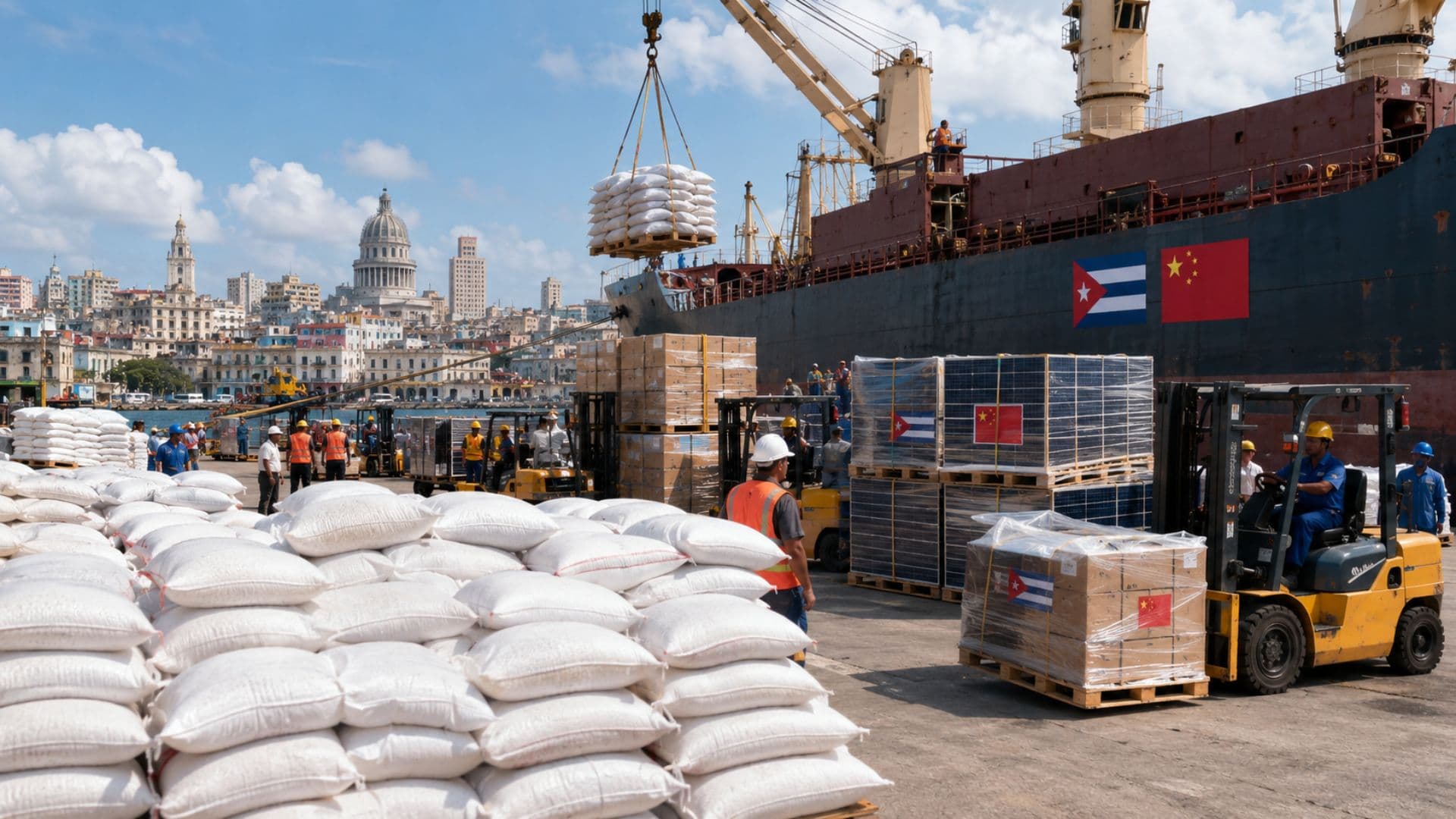
The fight sharpened again when the U.S. Department of State said on May 13 that the United States was ready to provide $100 million in direct humanitarian assistance to the Cuban people if Cuba permitted it. The offer came with a clear condition: the Cuban government and military could not control distribution. That stance put humanitarian channels at the center of the policy clash, even as U.N. agencies warned that Cuba’s crisis was worsening because of fuel shortages, blackouts, and shortages of food and medicine. Those pressures were also linked to Hurricane Melissa, which struck in late October 2025.
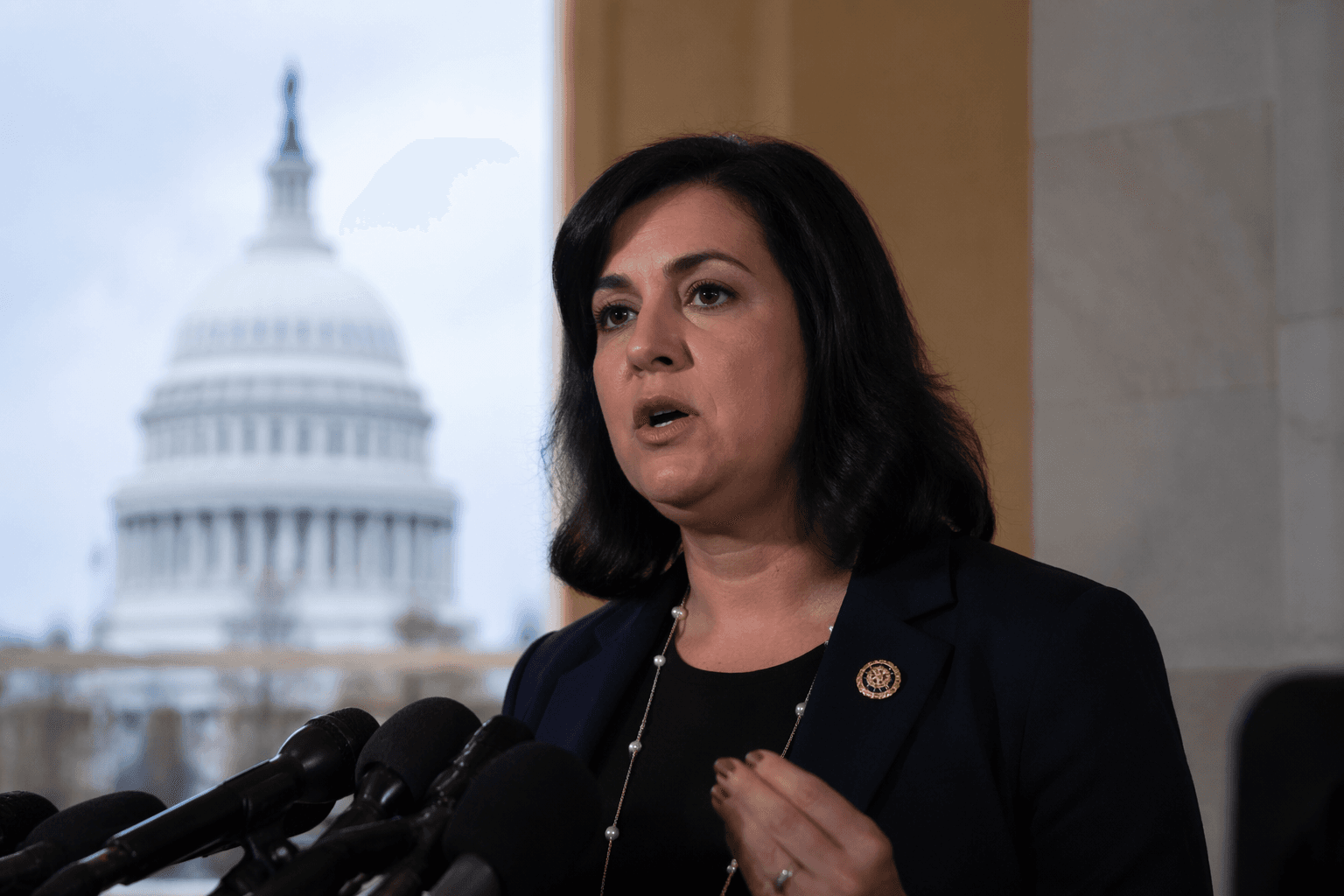
Malliotakis also publicly applauded the Justice Department’s May 20 indictment of Raúl Castro, calling it long overdue and tying it to long-running claims that Cuba has sheltered fugitives and adversaries for decades. With the FBI being pressed to examine alleged sanctions evasion and the Justice Department already moving on a major Cuba-related case, the dispute is no longer just rhetorical. It is now a test of whether the latest escalation is a serious law-enforcement push or a performative charge meant to harden exile politics before the next round of fights over sanctions, aid, and who gets to shape the future of U.S.-Cuba policy.
This article was produced by Prism’s automated news system from verified source data, official records, and press releases, then run through automated quality and moderation checks before publishing. The system is built and supervised by the people who set the standards it runs under. Read our full AI policy.
Know something we missed? Have a correction or additional information?
Submit a Tip