Trump weighs Cuba as next military distraction after Iran, report says
Trump's Cuba threats have concrete markers now: new sanctions, a Senate war-powers fight, and rare military contact near Guantanamo Bay.
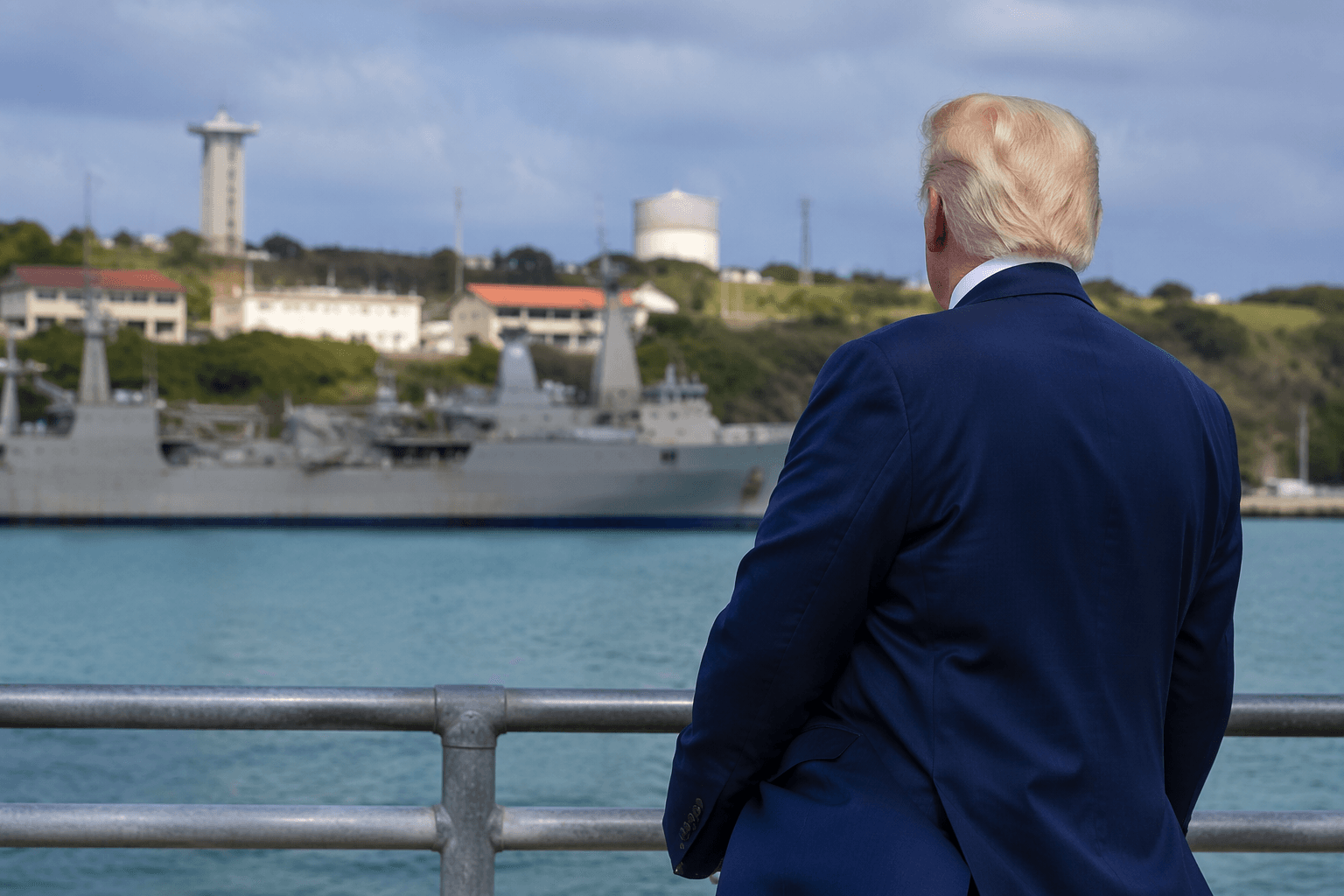
The loudest talk around Cuba is coming from Donald Trump, but the parts that matter most are already moving. On May 7, the Trump administration announced new sanctions targeting Cuba’s military-industrial enterprise and a state-owned natural resources company tied to the island’s energy infrastructure. On May 29, U.S. Southern Command head Gen. Francis Donovan met with senior Cuban military officials near Guantanamo Bay, a rare contact point as tensions climbed.
Ryan Grim, discussing U.S. policy on Cuba, argued that Trump could see the island as a useful military distraction after Iran. That reading has traction because Trump has spent 2026 escalating his rhetoric in public. At an investment forum in Miami, he reportedly said, “Cuba is next.” After the indictment of former Cuban President Raúl Castro and five others, the Associated Press reported that Trump said, “it looks like I’ll be the one” who intervenes in Cuba.
The political fight in Washington has been just as sharp. Senate Republicans warned Trump against military strikes on Cuba, saying the U.S. military already had its hands full with Iran. The Senate later blocked a Democratic resolution aimed at stopping military operations against Cuba without congressional authorization. That leaves Cuba in a tense middle ground, with Congress arguing over war powers while the White House keeps the pressure campaign in motion.
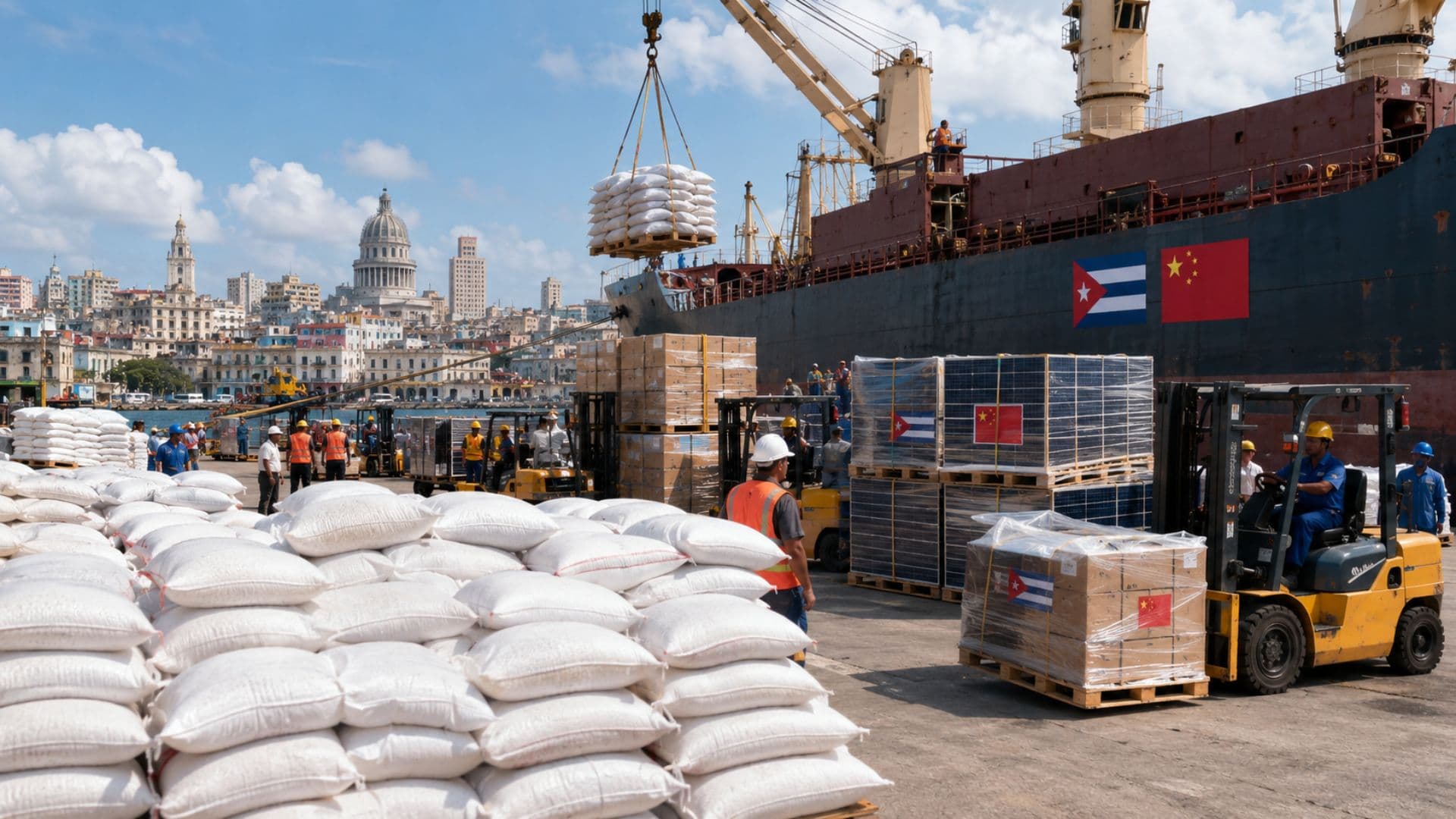
Inside Cuba, the consequences are already being felt in the economy and daily life. In May 2026, Cuba’s energy minister said the country had run out of diesel and fuel oil. Reporting from the island described rolling blackouts, shortened school schedules, and strain on hospitals and transit as the grid buckled. Cuban officials said the system was in critical condition amid what they called an escalating U.S. energy blockade.
That is the reality check for Cuba watchers. The biggest signal is not the provocative language about intervention, but the stack of concrete moves around it: sanctions, war-powers brinkmanship, and direct military contact at the perimeter of Guantanamo Bay. If the pressure campaign deepens, those are the places where the next change will show up first.
This article was produced by Prism’s automated news system from verified source data, official records, and press releases, then run through automated quality and moderation checks before publishing. The system is built and supervised by the people who set the standards it runs under. Read our full AI policy.
Know something we missed? Have a correction or additional information?
Submit a Tip