Padura warns of deepening crisis in Cuba under U.S. pressure
Padura said Cuba now lives with fuel cuts, blackouts and waiting for internet, warning that Washington's pressure has pushed daily life into constant uncertainty.
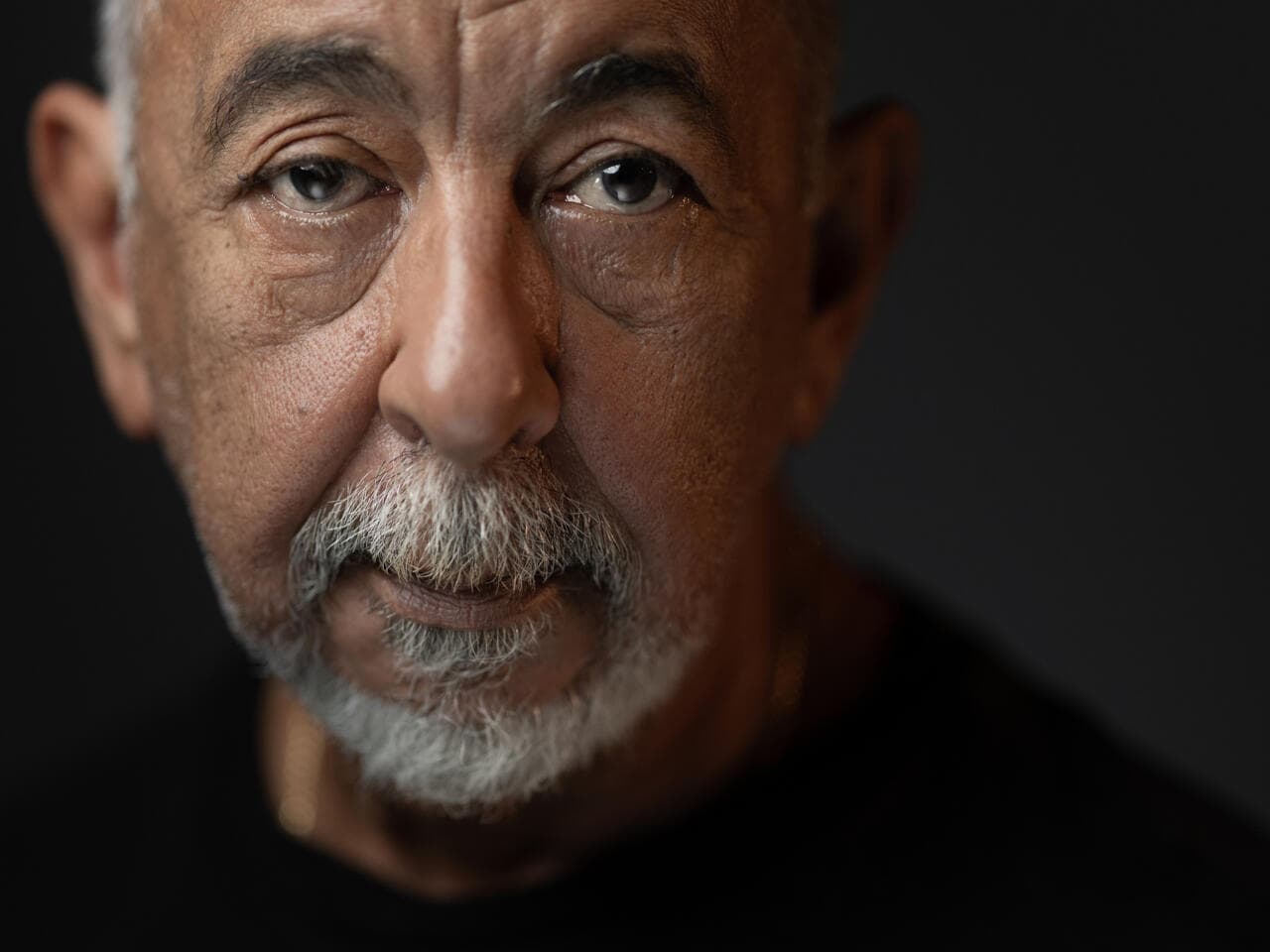
Leonard Padura used a Paris appearance on May 30 to describe a Cuba where daily life is being squeezed by shortages, blackouts and rising fear. Speaking at the Cervantes Institute while promoting the French edition of Going to Havana, the writer said the island’s reality no longer stays in the background. It arrives in the middle of work, travel and even the simple task of getting online.
Padura, widely described as Cuba’s most widely read living writer, said the pressure has deepened sharply under a long U.S. embargo and a new wave of energy strain that began in January. He pointed to gas shortages, repeated outages and the uncertainty that now shapes ordinary routines. Power cuts interrupt his own writing, and he said he can spend an entire day waiting to reconnect to the internet. Even a car trip, he said, now feels like a gamble because no one knows when gasoline will be available again.
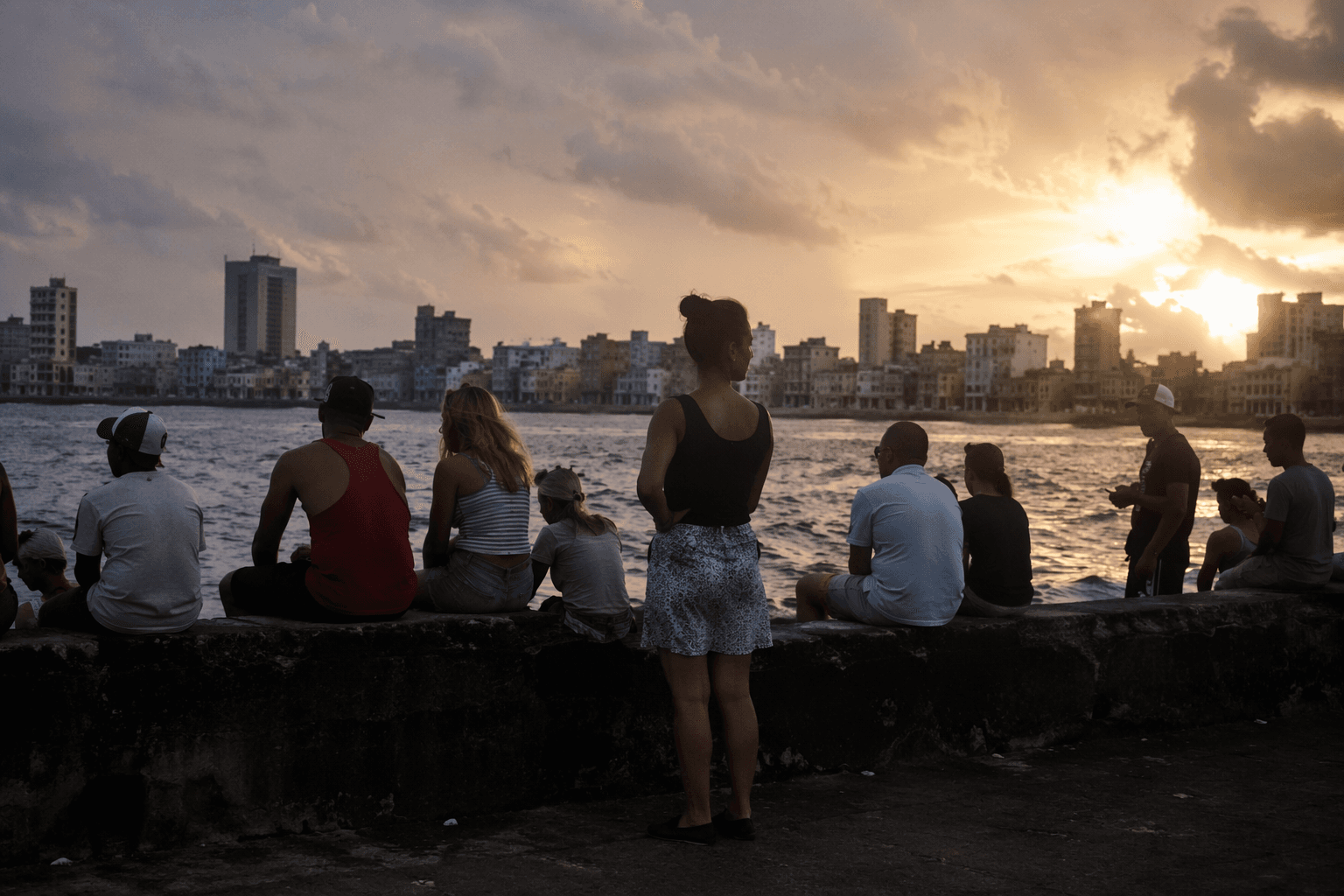
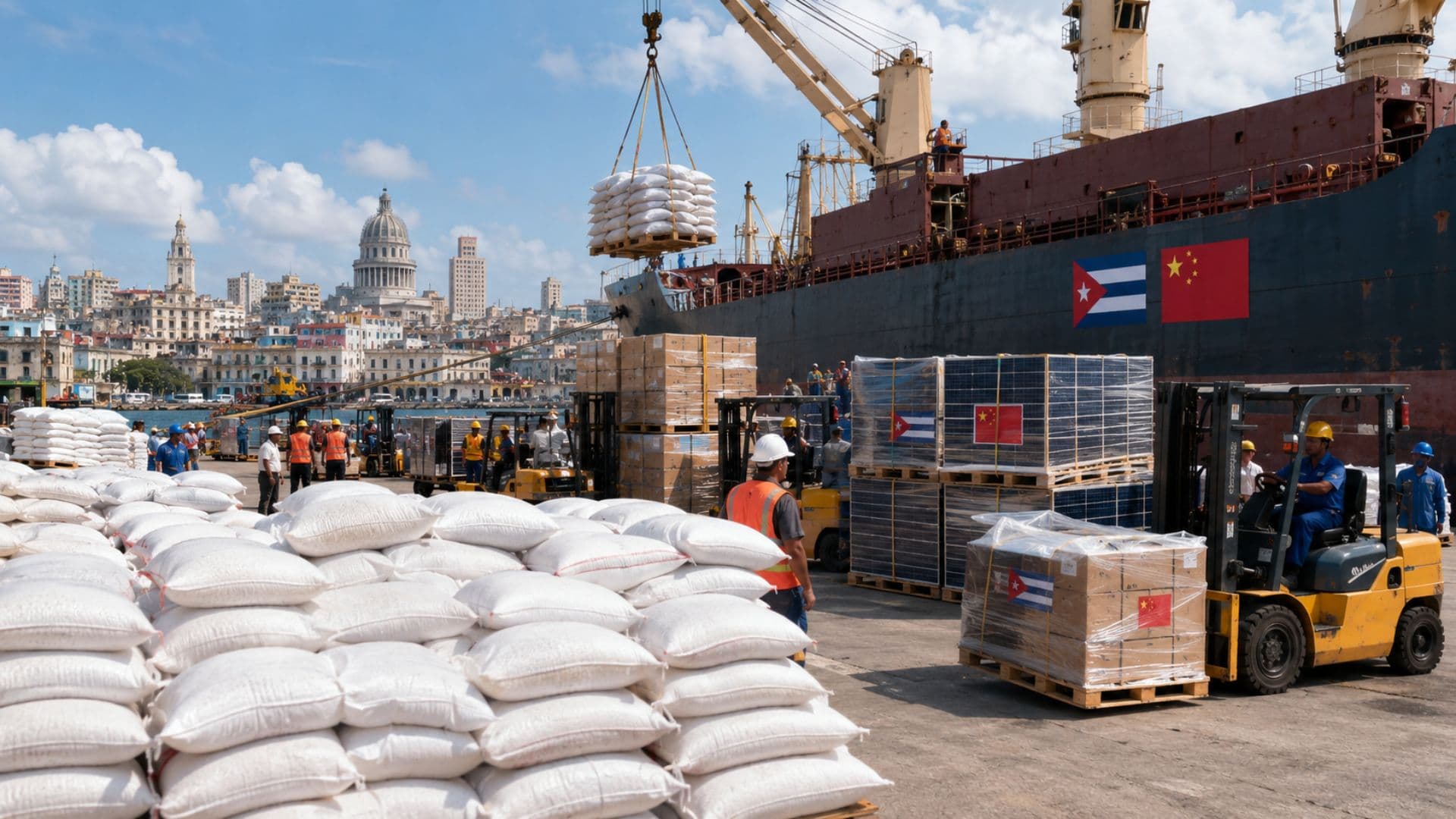
His comments landed against a bleak backdrop. Cuba’s energy minister, Vicente de la O Levy, said on May 14 that the country had run out of fuel oil and diesel. Reuters reported a mass blackout across most of Cuba on March 4, and AP said nearly 3 million Cubans were dealing with daily water shortages tied to the fuel crisis. United Nations-related coverage has said blackouts in parts of the island were lasting up to 20 hours and that hospitals were struggling to keep lifesaving equipment running. With Cuba’s population at 10,979,783 in 2024, those shortages reach across almost the entire country.
Padura also stressed how much Havana itself has changed. He said the city had deteriorated sharply since he finished the book in 2024, even if its structure remains recognizable. To him, today’s Cuba feels very different from the one that hosted the Rolling Stones concert, Barack Obama’s visit and the Havana baseball game attended by Obama and Raúl Castro on March 22, 2016, during the brief thaw between Washington and Havana.
That thaw now looks remote. Reuters and AP reported in late May that Cuban officials warned the risk of U.S. military aggression was rising, while a White House fact sheet said Donald Trump imposed new sanctions in May 2026 and had already strengthened pressure in June 2025 through a National Security Presidential Memorandum. Padura’s warning was not abstract: it tied the island’s political tension to the daily grind of fuel lines, dark apartments and a shrinking sense of what comes next.
This article was produced by Prism’s automated news system from verified source data, official records, and press releases, then run through automated quality and moderation checks before publishing. The system is built and supervised by the people who set the standards it runs under. Read our full AI policy.
Know something we missed? Have a correction or additional information?
Submit a Tip