Meliá’s Cuba hotels face uncertainty as tourism stays weak
Only a handful of Meliá hotels were still open in Cuba by July 14, and Sol Palmeras had just reopened after four months shut.

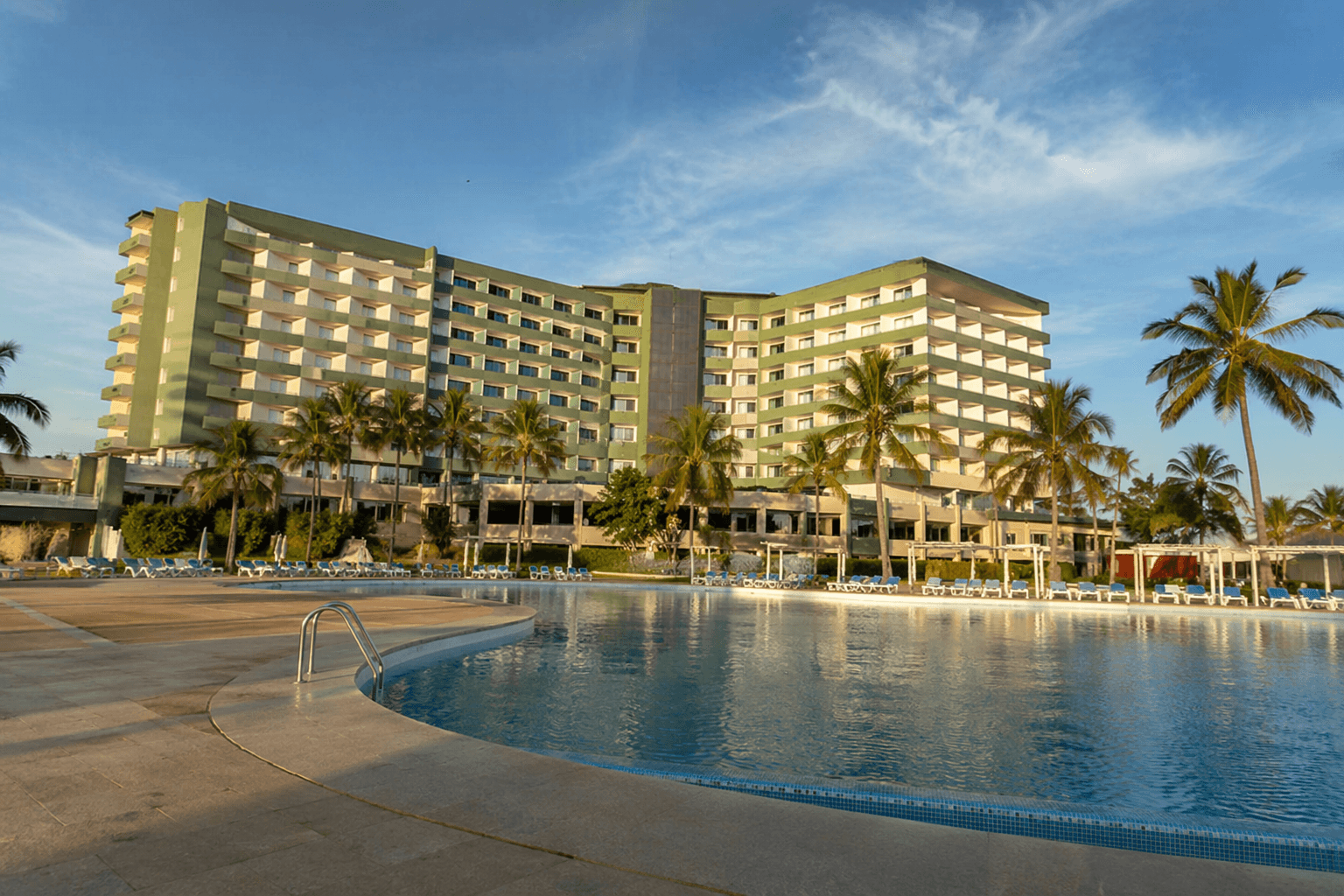
Meliá’s Cuba portfolio looked increasingly unstable by July 14, a warning sign for anyone booking on brand recognition alone, with only a small cluster of hotels still operating and Sol Palmeras reopening July 1 after a four-month closure. Meliá Habana, Meliá Cohiba, Meliá Varadero, Meliá Las Américas and Sol Palmeras were among the properties still in play, while about 19 other Meliá hotels in Cuba sat outside GAESA’s direct orbit but many were either temporarily closed or running with minimal occupancy.
That squeeze followed Meliá’s June 3 decision to stop managing, marketing and providing brand services for 15 hotels in Cuba after a risk review of the current context. The move was tied to worsening geopolitical, legal and economic conditions and to pressure connected with GAESA, the military-linked conglomerate that looms over much of the island’s tourism infrastructure. Meliá still counted as Cuba’s largest foreign hotel operator, with about 34 hotels and more than 5,000 rooms on the island, and close to half of those properties were co-managed with Gaviota. That makes the retrenchment look less like a branding adjustment and more like a major operational reset.
The wider tourism numbers explain why the hotel map is shifting so fast. Cuba’s National Office of Statistics and Information said the island received 328,608 international visitors in the first four months of 2026, a 55.8% drop from the same period in 2025. April brought just 30,551 visitors. Hotel occupancy across Cuba reached 18.9% in 2025, a historic low, and total international arrivals for that year fell to 1.81 million, the weakest figure since 2002 apart from the pandemic years.
Meliá’s own Cuba business was already under pressure before the latest uncertainty sharpened. In the first quarter of 2026, the company said only half of its Cuba capacity was operational and average occupancy stood at 34.1%. Its net profit fell 68%, and losses in Cuba in 2024 were put at 4 million euros.
The retreat has not been limited to Meliá. Four international hotel chains partially or fully withdrew within days in early June, and around 60 luxury hotels were said to be losing foreign management. For Havana and Varadero especially, that leaves travelers facing a market where the name over the door no longer guarantees that the property is open, fully staffed or operating under the same arrangement next month.
This article was produced by Prism’s automated news system from verified source data, official records, and press releases, then run through automated quality and moderation checks before publishing. The system is built and supervised by the people who set the standards it runs under. Read our full AI policy.
Did this article answer your question?