Putin Meets Cuban Foreign Minister as Russia Urges US to Lift Blockade
Putin met Cuban foreign minister Bruno Rodríguez in the Kremlin as Moscow publicly urged Washington not to impose a naval or sea blockade and signalled possible fuel aid.

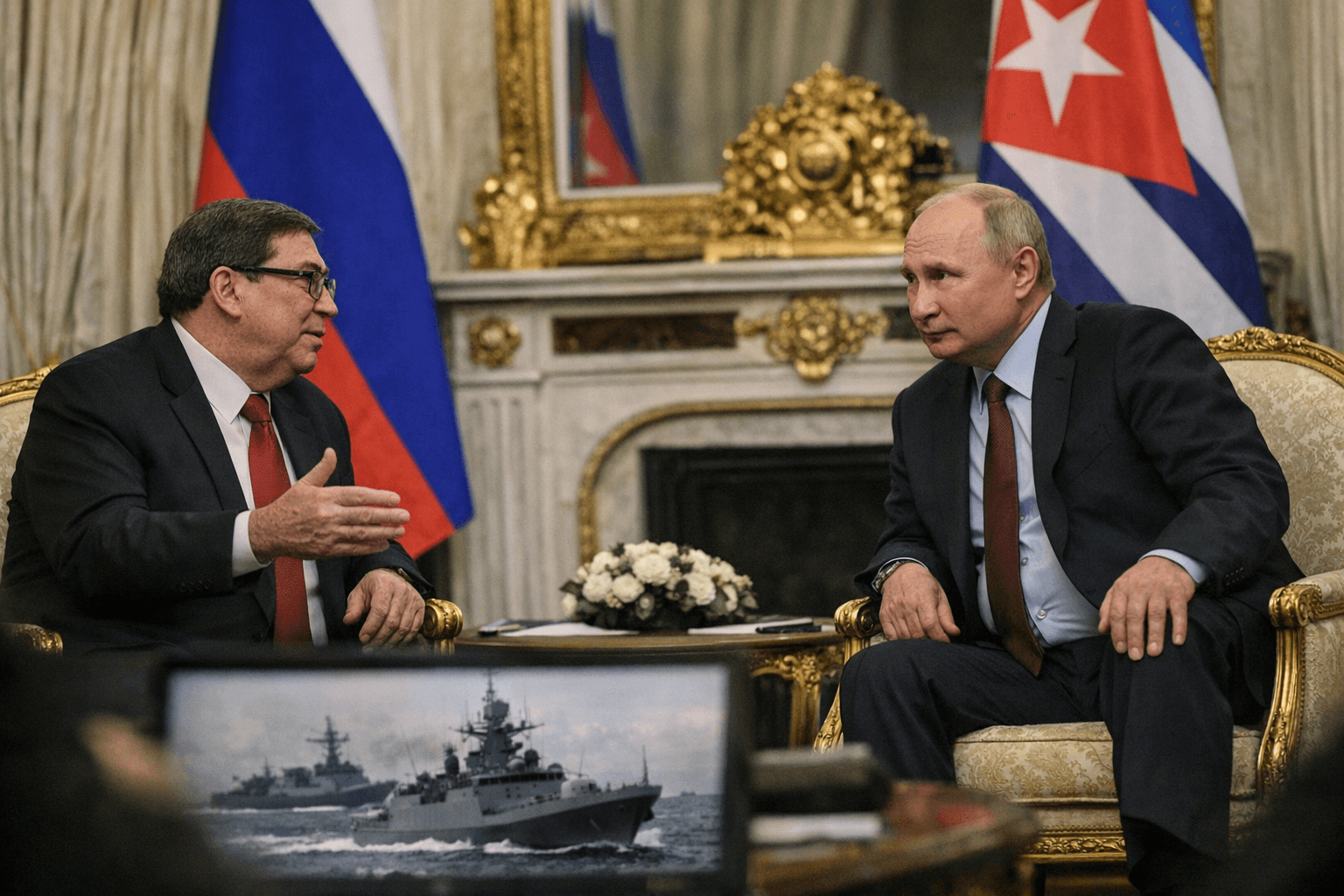
Cuba’s foreign minister, Bruno Rodríguez, met Russian President Vladimir Putin and Foreign Minister Sergey Lavrov in Moscow as Russian officials publicly urged the United States not to impose a naval or sea blockade on the island amid crippling fuel shortages and blackouts. Lavrov told Rodríguez, “Together with most members of the global community, we are calling on the U.S. to show common sense, take a responsible approach and refrain from its plans of sea blockade.”
The meetings took place in mid‑February, with pool photos and official captions placing the encounters on February 18, 2026, at the Kremlin and the Senate Palace of the Kremlin. Reuters photo captions use Rodríguez’s fuller name, Bruno Rodriguez Parrilla, while official Moscow exchanges showed Lavrov meeting Rodríguez in a hall captured by AP pool photographer Hector Retamal and Putin shaking hands with Rodríguez Parrilla in images by Pavel Bednyakov.
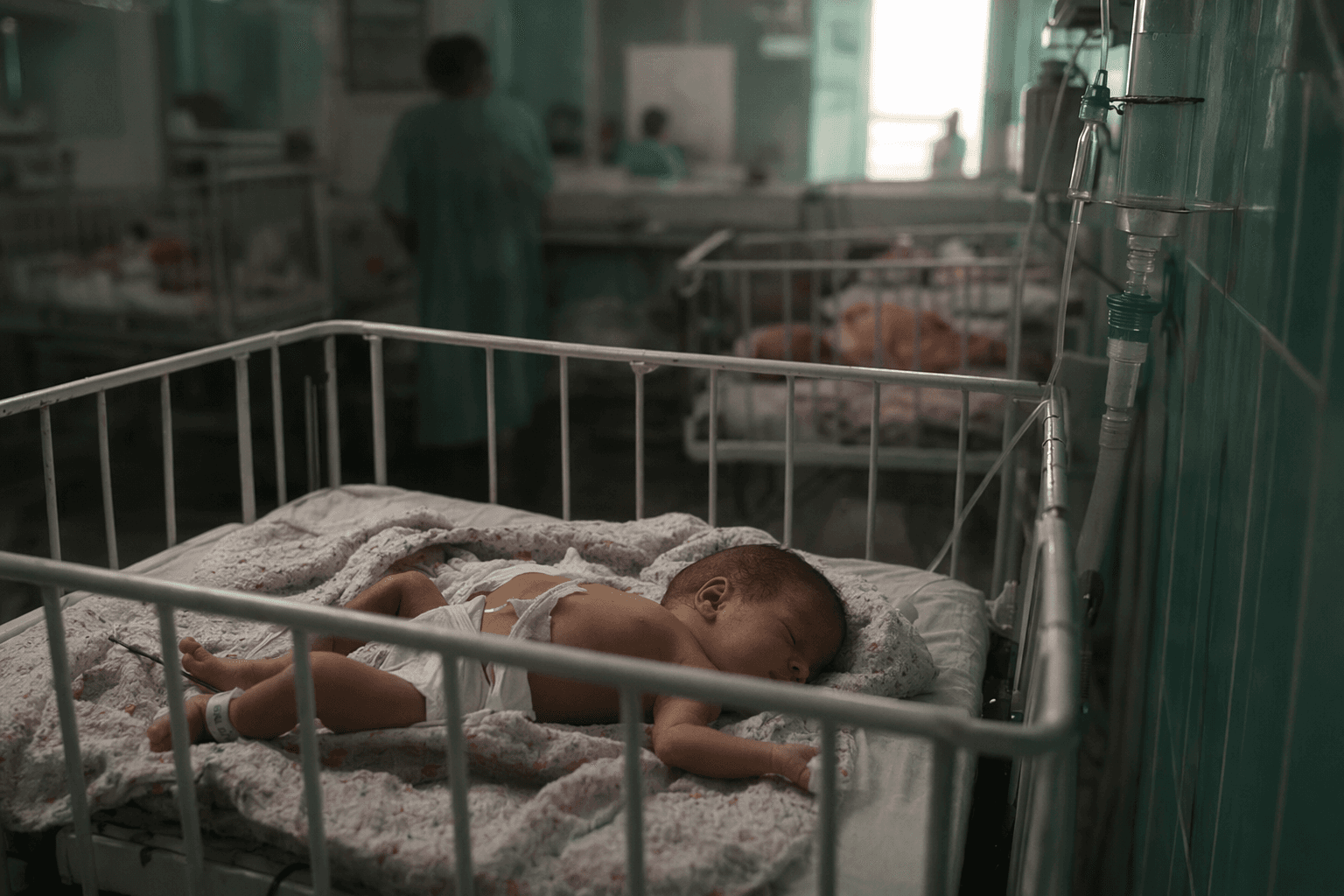
The diplomatic push in Moscow came after U.S. actions that Cuban officials blame for worsening fuel access. U.S. President Donald Trump signed an executive order on January 29, 2026, authorising tariffs on imports of oil from third countries to Cuba, and Trump had warned other nations of tariffs if they sold oil to Havana. Al Jazeera noted the island nation of 11 million is “staggering under the yoke of major fuel shortages” following the January 29 order; other accounts report blackouts and strained refinery supplies.
Russian officials paired public appeals with offers of support. Kremlin messaging quoted Putin saying, “This is a special period, with new sanctions. You know how we feel about this. We do not accept anything like this,” and Moscow promised it would “continue supporting Cuba and its people in protecting the country's sovereignty and security.” A senior Russian diplomat told reporters last week that Moscow would provide aid to Havana, including material assistance, and AP reporting said Moscow was “considering humanitarian fuel shipments” amid reports of a U.S. oil blockade.
Kremlin spokesman Dmitry Peskov emphasised continuity in relations, telling reporters that “Russia, like many other countries, has consistently spoken against the blockade of the island,” and that Moscow values its ties with Cuba and intends to develop them “during difficult times, by providing appropriate assistance to our friends.” Peskov also said Moscow did not raise the Cuba issue with Washington during trilateral Russia‑Ukraine‑U.S. talks in Geneva that concluded the same day.
Bruno Rodríguez framed the visit as a defence of sovereignty, saying Cuba would “resolutely move forward in protecting its independence and sovereignty” and that Havana would “always be ready for a respectful dialogue on equal terms with any country” while honouring agreements with Moscow despite economic difficulties. Moscow’s public appeal against a blockade and its reported consideration of fuel shipments set the policy choices now facing Havana, Washington and Moscow over whether supplies will reach Cuba and how the January 29 trade measures will be applied.
Know something we missed? Have a correction or additional information?
Submit a Tip