Russia Completes Repatriation of 4,300 Tourists Stranded in Cuba
The Russian Ministry of Transport said “the repatriation program has been concluded” after nine special flights returned nearly 4,300 tourists from Varadero, Havana, Holguín and Cayo Coco to Sheremetyevo.
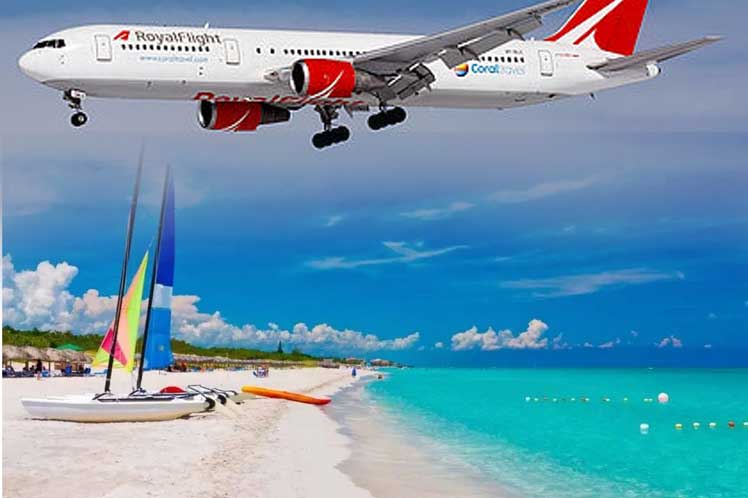
“The repatriation program has been concluded,” the Russian Ministry of Transport said on Telegram after nine special flights ferried nearly 4,300 Russian tourists from Cuba back to Moscow’s Sheremetyevo International Airport, ending an operation that sources say began in mid-February. CiberCuba and Translatingcuba reported the final Rossiya Airlines flight from Varadero touched down at Sheremetyevo at 5:27 p.m. Moscow time.
The move followed a Russian government recommendation on February 11 that tour operators stop selling trips to Cuba, a directive that prompted airlines to temporarily suspend regular services. Aeroflot announced repatriation plans on February 12 and published a schedule on its Telegram channel for Varadero–Moscow flights on February 12, 14, 17, 19 and 21 and a Havana–Moscow flight on February 16, adding that “all subsequent flights on these routes will be canceled from February 24.”
Operational partners named in reporting included Aeroflot, Rossiya Airlines of the Aeroflot Group and Nordwind Airlines. Multiple outlets say the nine flights departed from Varadero, Havana, Holguín and Cayo Coco and that the Russian Embassy in Havana coordinated with Aeroflot’s representative office and Cuban aviation officials to facilitate departures. CGTN’s coverage noted Aeroflot passengers in Havana faced prolonged waits for refueling as the flights were organized.
News reports tie the stranding to an island-wide energy and aviation fuel crisis that disrupted kerosene supplies and grounded or limited commercial flights. Xinhua and Translatingcuba carried the additional attribution that the shortages stem from U.S. pressure on oil-exporting countries or the U.S. embargo; other outlets described the problem simply as an energy and fuel crisis affecting aviation fuel availability.

The repatriation closes a politically charged chapter in Havana-Moscow ties. Cuban Foreign Minister Bruno Rodríguez held talks in Moscow with President Vladimir Putin and Foreign Minister Sergey Lavrov about the shortages, and Translatingcuba reported Putin saying, “You know our position on this. We will not accept anything like this.” The Kremlin, as reported, said that “the possibility of resuming flights will be addressed after the situation with fuel supplies is normalized.”
Contextual tourism figures underscore the stakes: Russia was the second-largest source of visitors to Cuba in 2025 with 131,882 travelers, while Canada led with 754,010 visitors; Cuban- and Canadian-facing outlets reported Canada completed repatriation of roughly 28,000 tourists. During the repatriation operation, Artur Muradyan, vice president of the Association of Tour Operators of Russia, was quoted as saying that “about 4,800 Russian tourists remain in Cuba,” an earlier estimate that predated the ministry’s final tally.
With Moscow’s special flights concluded, airlines and diplomats say future services hinge on restoration of aviation kerosene supplies in Cuba and further bilateral discussions; Aeroflot’s Telegram notice and the Kremlin’s comments make clear any resumption will depend on that normalization.
Know something we missed? Have a correction or additional information?
Submit a Tip