Russia Sends Second Oil Tanker to Cuba, Vowing to Support Havana
Russia's energy minister confirmed a second oil tanker was being loaded for Cuba, days after the sanctioned Anatoly Kolodkin delivered 730,000 barrels to Matanzas.
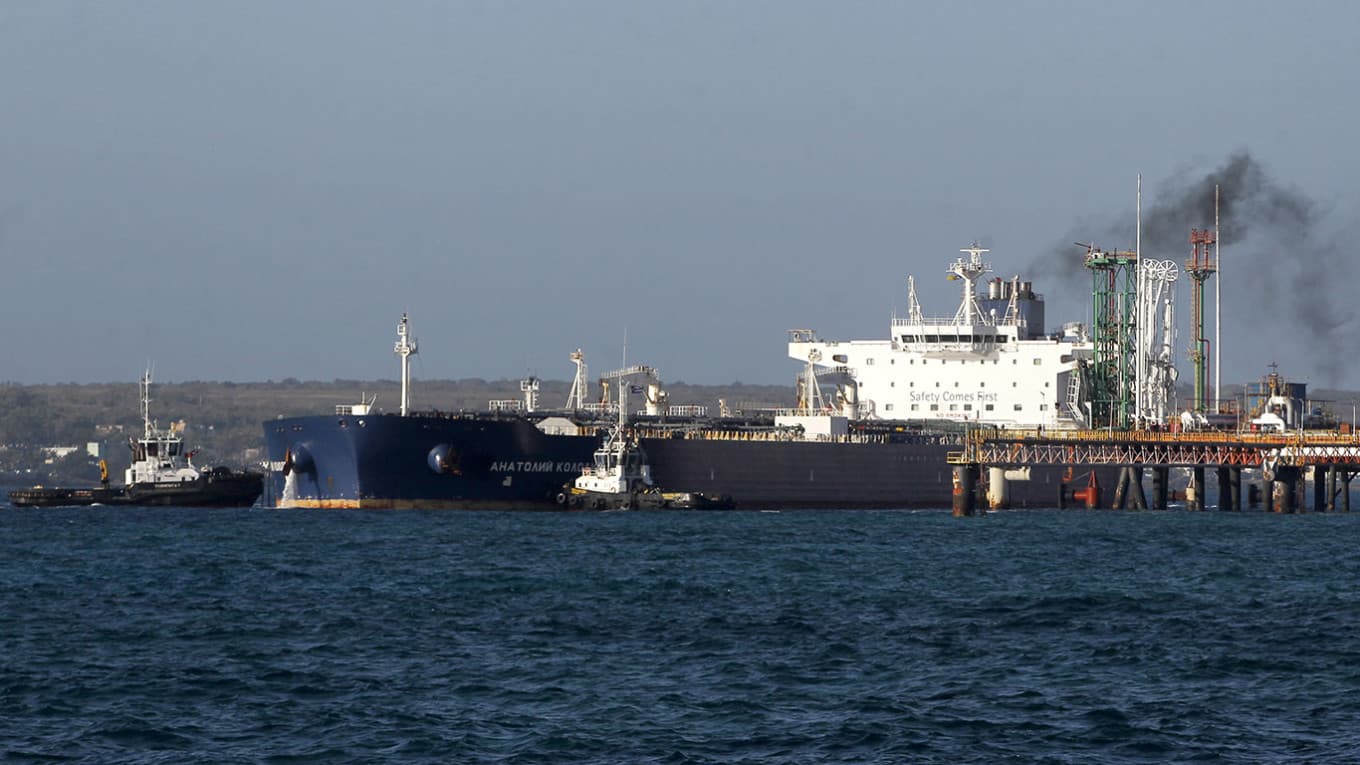
The sanctioned tanker Anatoly Kolodkin had barely begun discharging its cargo at the port of Matanzas when Russian Energy Minister Sergei Tsivilyov announced that Moscow was already loading a second vessel bound for Cuba.
Speaking on April 2, Tsivilyov declared that a ship had "broken through the blockade" and that "a second one is now being loaded," framing both deliveries as acts of solidarity with Havana during one of the island's most acute energy crises in recent years. Russian officials characterized the shipments as humanitarian assistance and said Moscow would "not leave the Cubans in trouble."
The Anatoly Kolodkin carried roughly 700,000 to 730,000 barrels of crude oil, a volume that analysts estimated could cover approximately nine to ten days of Cuba's diesel demand. That math lays bare the structural gap between what two tankers can deliver and what the island actually needs. Cuba imports the vast majority of its fuel, and its thermoelectric plants, hospitals, aviation infrastructure, and transport network all draw from a supply chain that has been severely strained.
Western sanctions complicate the picture. The Anatoly Kolodkin is listed under sanctions, yet the shipment proceeded without apparent U.S. intervention. American commentary at the time suggested the administration allowed the delivery on humanitarian grounds while insisting it did not represent a formal shift in Washington's broader sanctions posture toward Havana or the countries supplying it.
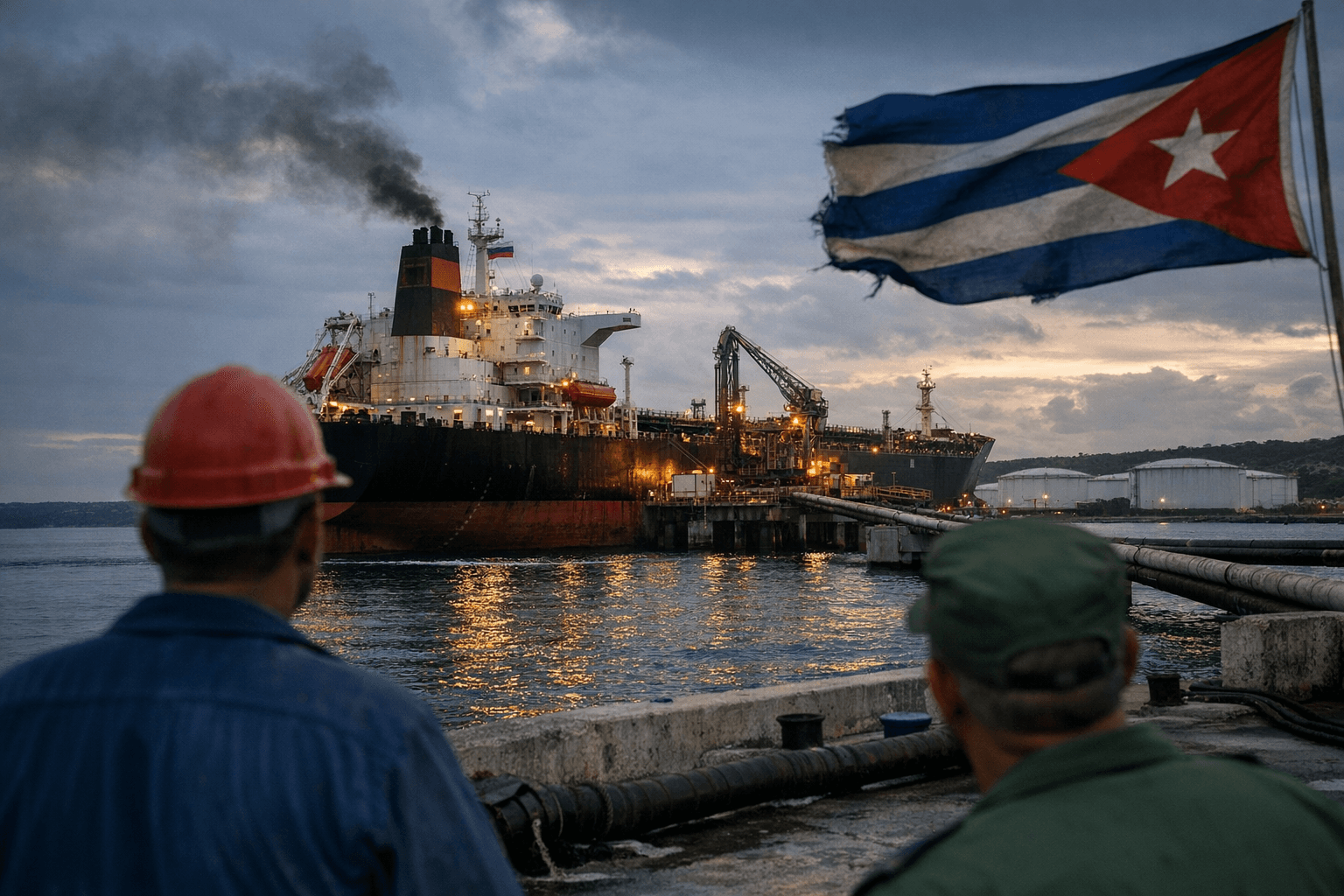
The dual announcement carries unmistakable geopolitical weight. Moscow's decision to publicize the loading of a second tanker so quickly after the first arrival served as a signal of sustained commitment, not a one-off gesture. Whether additional countries move to assist Cuba, and whether they face U.S. trade or tariff pressure in response, remains one of the sharpest follow-on questions hanging over the situation.
For Cuba's thermoelectric plants and aviation fuel supply, two tankers provide a bridge, not a resolution. The second tanker's arrival date and cargo composition, specifically whether it carries crude or refined diesel, will determine how much ground is actually recovered before the next shortfall.
This article was produced by Prism’s automated news system from verified source data, official records, and press releases, then run through automated quality and moderation checks before publishing. The system is built and supervised by the people who set the standards it runs under. Read our full AI policy.
Did this article answer your question?