Russia Tanker Delivers Oil to Cuba After U.S. Drops Blockade Stance
Cuba's first oil tanker in three months docked at Matanzas after the U.S. Coast Guard stood down, letting the sanctioned Russian vessel Anatoly Kolodkin through with 730,000 barrels.
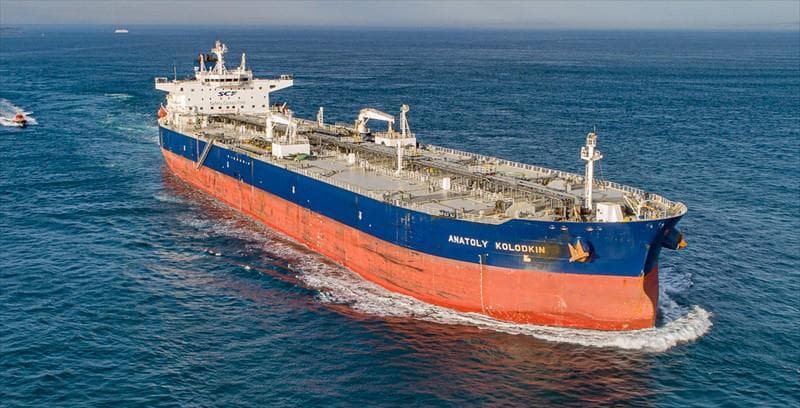
The Anatoly Kolodkin, a sanctioned Russian tanker carrying roughly 730,000 barrels of Urals crude, docked at Cuba's Matanzas terminal on Monday, ending three months without a single oil delivery to an island where blackouts had become daily and gasoline rationing had hit every filling station.
The U.S. Coast Guard had two cutters positioned in the region with the capability to intercept the vessel, but the Trump administration never issued the stop order. A U.S. official briefed on the matter confirmed the Coast Guard let the ship through. The White House denied any formal policy shift and framed the allowance as a response to humanitarian need, but offered no explanation for whether future Russian tankers would receive the same treatment.
Trump made the posture explicit aboard Air Force One on Sunday: "If a country wants to send some oil into Cuba, right now, I have no problem whether it's Russia or not."
That statement came hours before the Anatoly Kolodkin completed its run from Primorsk port on Russia's Baltic coast through the English Channel, where the Russian navy provided an escort, and into Cuban waters. The vessel is part of Russia's so-called shadow fleet and was already under U.S. sanctions when it made the transit.
The Trump administration had placed a de facto oil blockade on Cuba in January, threatening any nation that shipped fuel to the island and in at least one documented instance physically escorting a tanker away. When Venezuelan oil exports to Cuba were cut off in early January and Trump threatened punishing tariffs on any other supplier, Mexico, the island's largest remaining source, halted its shipments entirely. Cuban President Miguel Díaz-Canel said Cuba had gone three full months without receiving a tanker.
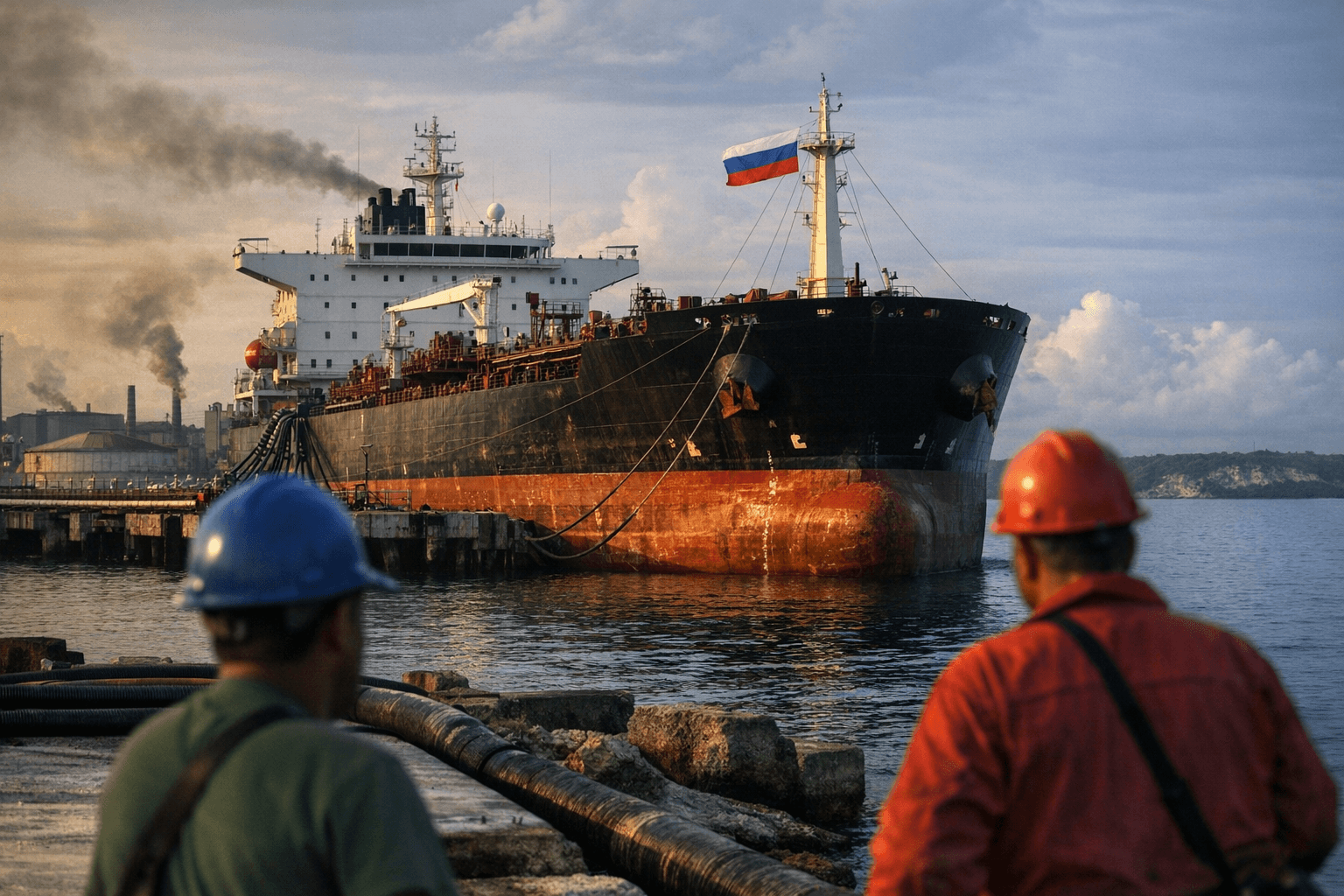
The consequences compounded fast. Daily blackouts rolled across the country of 10 million people; gasoline was strictly rationed, prices soared, and medical care deteriorated. Cuban health officials reported the crisis raised the mortality risk for cancer patients, including children. The United Nations criticized the blockade, blaming the U.S. directly for causing a humanitarian crisis on the island.
LSEG ship-monitoring data put the Anatoly Kolodkin's cargo at roughly 650,000 barrels; other tracking services and the Russian Ministry of Transport cited 730,000 barrels, which corresponds to the stated figure of 100,000 tonnes of crude. Analysts said the shipment could shore up Cuba's fuel supply for approximately a month.
The decision not to intercept also sidestepped a potentially dangerous confrontation with Moscow at sea. Brett Erickson of Obsidian Risk Advisors called the arrival significant, placing it alongside the British government's simultaneous decision to allow another Russian shadow-fleet vessel, the VAYU 1, to transit the English Channel even after London had authorized its military to board such ships in UK waters.
Cuba's state outlet Cubadebate called the shipment "a direct challenge to the U.S. oil blockade." What remains unanswered is whether the White House's informal green light extends to future tankers, or whether the Anatoly Kolodkin represents a one-time humanitarian exception while the blockade otherwise stays in place.
This article was produced by Prism’s automated news system from verified source data, official records, and press releases, then run through automated quality and moderation checks before publishing. The system is built and supervised by the people who set the standards it runs under. Read our full AI policy.
Did this article answer your question?