Sherritt warns its Cuba business may not remain a going concern
Sherritt’s Cuba warning lands as Moa nickel output, energy projects and hard-currency inflows are squeezed, while its Alberta refinery nears shutdown.

Sherritt International Corp. warned investors that its Cuba business may no longer be able to keep operating as a going concern, a severe signal for a company whose Moa nickel-and-cobalt venture has long been one of Cuba’s biggest foreign-investment anchors. For Havana, the fallout goes well beyond one miner’s balance sheet: less output from Moa would mean less nickel, less cobalt and fewer hard-currency inflows at a moment when the island is already under intense financial strain.
The warning follows a chain of moves that began after the U.S. administration’s May 1 executive order expanded sanctions on Cuba. Sherritt said that order materially altered its ability to operate in the ordinary course and suspended its direct participation in Cuban joint-venture activity effective May 7. The company and Cuba’s state-owned General Nickel Co. S.A. each hold a 50% stake in Moa Nickel S.A., a project that mines nickel and cobalt and is central to Cuba’s export earnings.
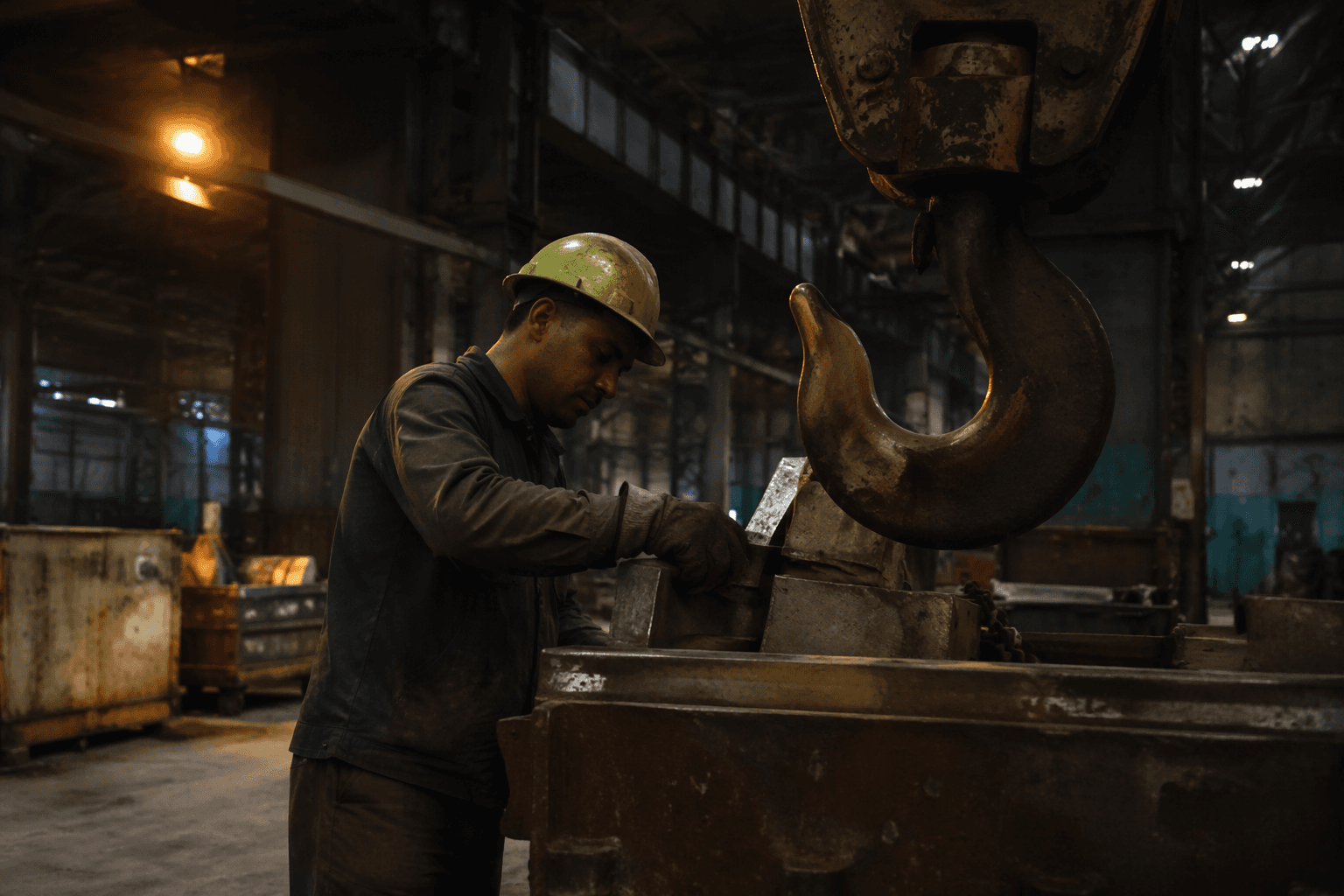
Sherritt later said its Fort Saskatchewan refinery in Alberta was moving into shutdown mode after feed inventory was expected to run out around mid-June. The company said it could not provide timing guidance for resuming mining and processing at Moa or for rebuilding the refinery feed pipeline. It also said it continued to make fertilizers and sulphuric acid for resale while managing costs and protecting liquidity during the downtime. Sherritt says the Alberta facility is the only significant cobalt refinery and one of just three nickel refineries in North America.
The corporate strain has spread quickly. Three directors resigned effective May 7, Deloitte LLP stepped down as external auditor effective May 12, and the Ontario Securities Commission issued a failure-to-file cease trade order on May 21 after Sherritt missed the May 15 deadline for first-quarter filings. The company filed those statements and its management discussion and analysis on June 25. On June 4, the U.S. State Department added five Cuban entities and five individuals under the same executive order, reinforcing how broad the pressure campaign had become.
Bloomberg described Sherritt as nearly 99 years old and noted that it entered Cuba in the 1990s, then built out a nickel-and-cobalt mine and later expanded into energy. That long exposure has turned the company into a test case for whether any major foreign investor can still survive in Cuba under tighter U.S. sanctions. Paolo Spadoni, a Cuban-economy expert, said the suspensions meant the U.S. had effectively targeted all of Cuba’s main sources of hard currency.
This article was produced by Prism’s automated news system from verified source data, official records, and press releases, then run through automated quality and moderation checks before publishing. The system is built and supervised by the people who set the standards it runs under. Read our full AI policy.
Know something we missed? Have a correction or additional information?
Submit a Tip