UNESCO adds Cuban son to world heritage list
UNESCO’s December 2025 inscription put Cuban son on the world heritage list, spotlighting the tres, clave, and call-and-response at salsa’s root.
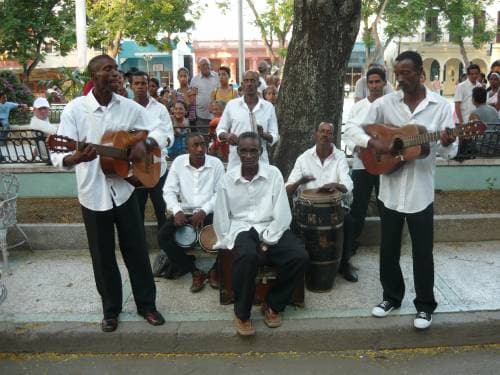
UNESCO added the practice of Cuban son to its Representative List of the Intangible Cultural Heritage of Humanity on December 10, 2025, putting one of Cuba’s most durable musical traditions back in the spotlight. The listing recognizes son not as a museum piece but as a living practice that blends singing, instruments, rhythm, and movement, usually in pairs or groups.
The quickest way into son is to listen for the tres, the three-course Cuban guitar that UNESCO singles out as a key instrument. Then catch the bass line: Britannica says it pushes just ahead of the downbeat, creating the syncopated pulse that gives son its drive and later fed salsa. If the music feels as if it is answering itself, that is part of the point. Son depends on call-and-response, with voices, percussion, and dancers trading cues instead of staying neatly separated.
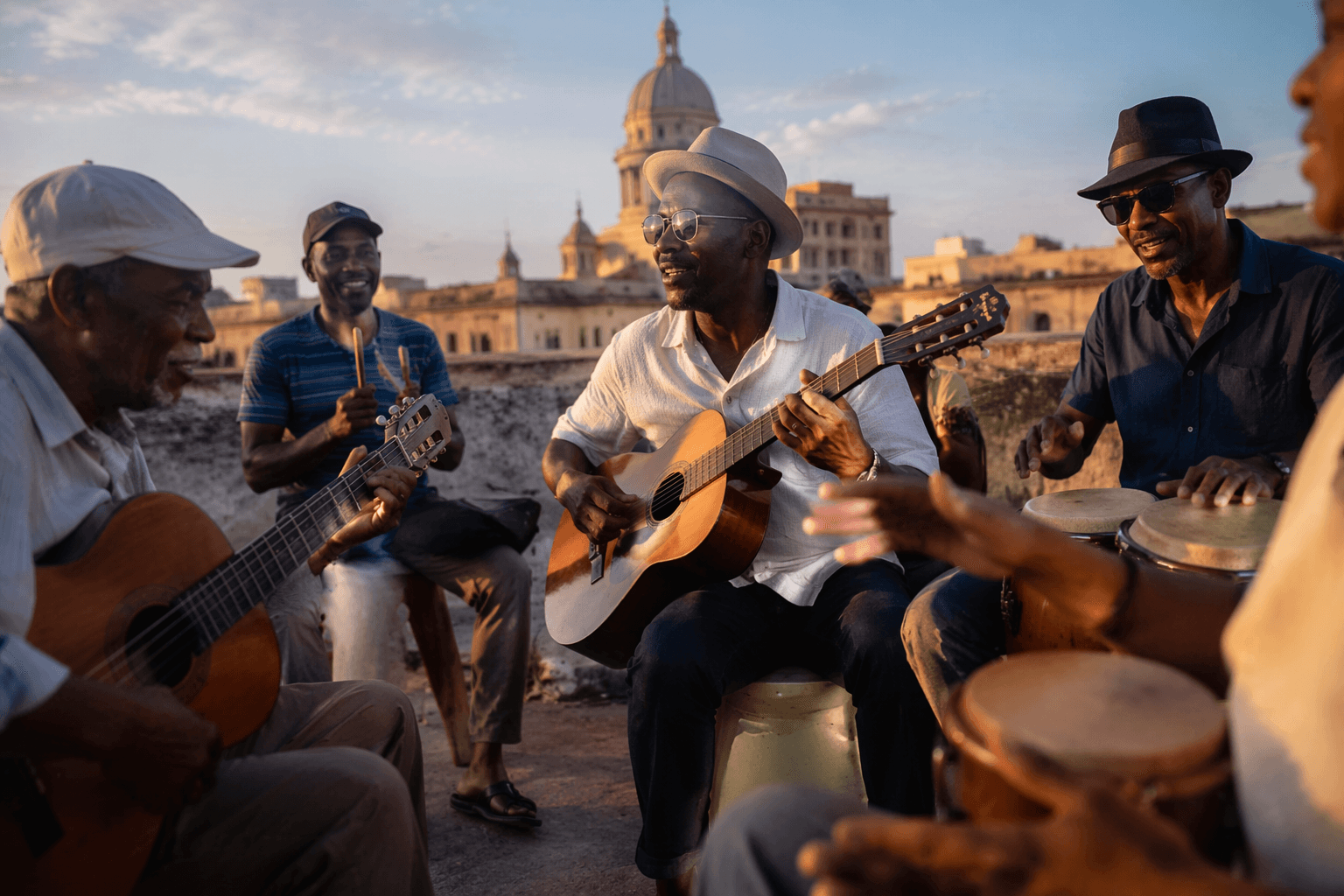
That is why son matters far beyond one genre label. Britannica places its origins in rural eastern Cuba and its spread to Havana in the first decades of the 20th century. The Library of Congress identifies changüí from Guantánamo as a predecessor of son cubano and, by extension, salsa, which helps explain why the style feels rooted in eastern Cuba even as it moved through Havana and into the wider Caribbean. Smithsonian’s National Museum of the American Latino traces contemporary salsa back through Cuban son and rumba, while the National Park Service links salsa’s origins to Afro-Latin history and the complex relationships of race, ethnicity, and class that shaped the music in Cuba, New York, and Puerto Rico.
UNESCO also emphasizes how son survives: through families, community gatherings, bands, elders, schools, and cultural centres. That matters because the lyrics preserve ordinary language and everyday experience by ear, not on a page, and the tradition keeps passing forward through performance and memory. Son strengthens community bonds and helps transmit popular culture orally, which is part of why a son performance still feels communal before it feels archival.

For anyone trying to recognize it in the wild, the checklist is simple. Hear the tres line. Feel the clave backbone. Notice the bass leaning forward. Watch for voices answering each other and dancers moving in response to the rhythm. That is son doing what it has always done in Cuba, and what its December 2025 UNESCO listing now makes impossible to miss.
This article was produced by Prism’s automated news system from verified source data, official records, and press releases, then run through automated quality and moderation checks before publishing. The system is built and supervised by the people who set the standards it runs under. Read our full AI policy.
Know something we missed? Have a correction or additional information?
Submit a Tip