Cuba’s food crisis pushes children into labor and survival tasks
Children are driving bicitaxis and selling coquitos as Cuba's food crisis turns "family help" into survival labor. Food Monitor Program says 90% of schools lack safe water or proteins.
The Food Monitor Program says Cuba's food crisis is pushing minors into work that is described as family help but functions as survival labor, and the line between the two is getting thinner in homes, schools and streets. Its warning was built around a stark image of a child carrying a large bag on his head, a visual meant to show how hunger has taken on a child’s face.
The group said 90% of the primary schools it analyzed lacked stable access to drinking water or safe proteins. It also found that 78% of households have to supplement children's meals during the school day because more than half of families consider school lunch insufficient, while more than 80% adjust mealtimes around whether electricity, water or another basic service is available. In daily life, that means feeding children has become an exercise in improvisation, not routine.
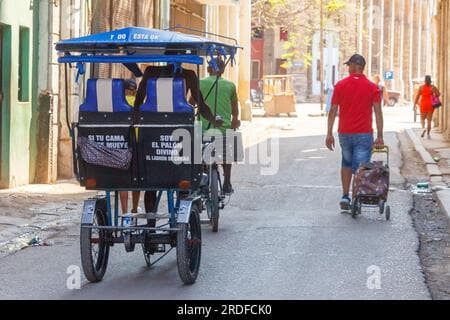
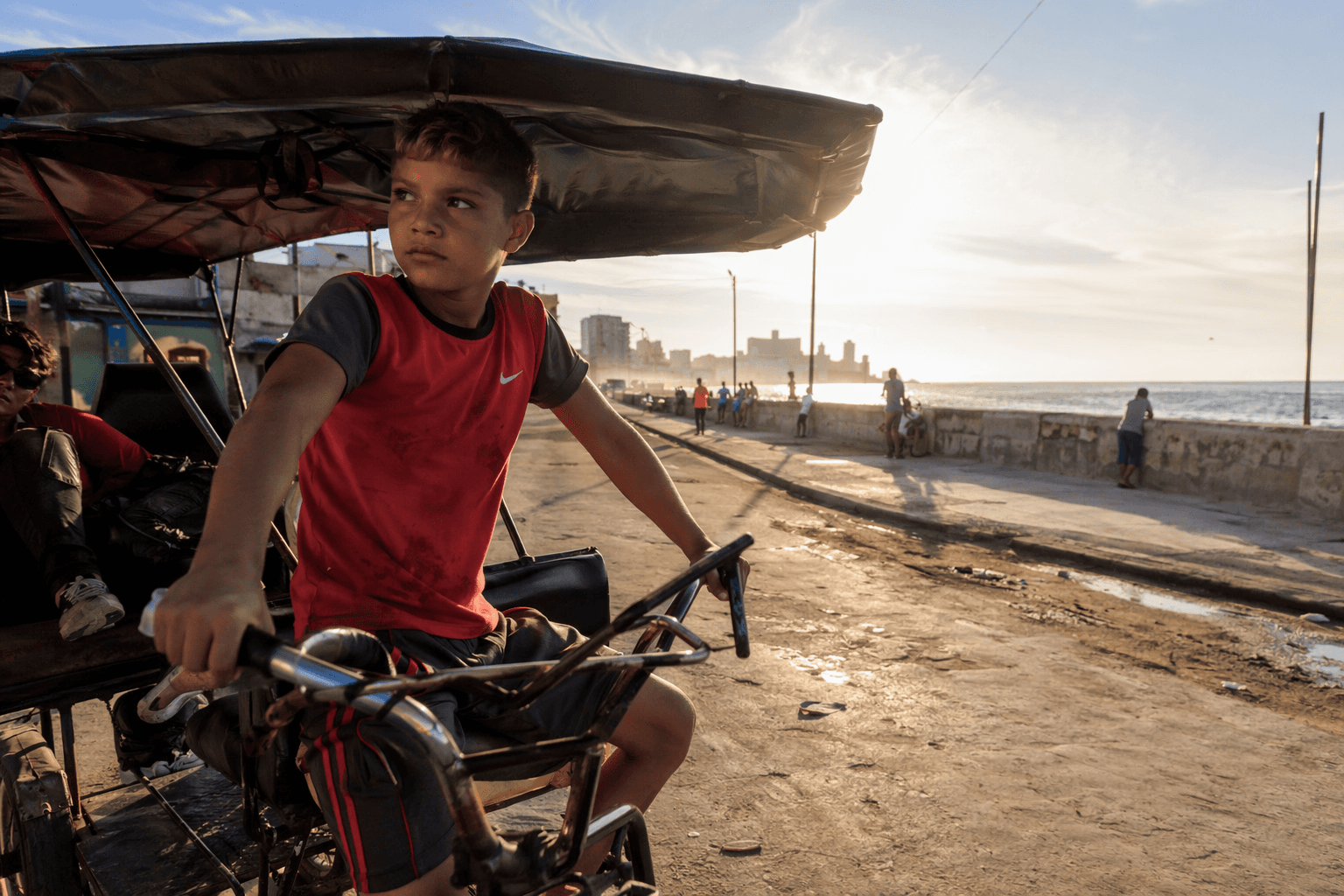
The examples are already visible on the street. In May 2026, a 14-year-old boy was seen driving a bicitaxi to help his mother. A 10-year-old child recently went out to sell coquitos in public. Food Monitor Program is treating those scenes as part of a wider shift, not exceptions. The Cuban Observatory of Conflicts recorded 71 reports of child labor and begging in 2025, and the Cuban government acknowledged nearly 200,000 children and adolescents in vulnerable or at-risk situations by the end of that year.
The warning came 11 days after the Union of Young Communists publicly denied that child labor exists in Cuba, a message that triggered backlash and dozens of personal testimonies from Cubans on social media. Food Monitor Program also said Cuba entered the 2026 hurricane season with persistent hunger affecting 33.9% of households, alongside record blackouts, a water crisis and medicine shortages. The organization says it was created because reliable data are scarce and official media lacks objectivity, and it has focused its reporting on hunger, water distribution and food shortages.
The legal framework is clear even if the reality is not. Cuba's 2019 Constitution, the labor code and Law 178/2025 prohibit work by people under 17, and state media presented the new Children, Adolescents, and Youth Code as an update aligned with those protections. UNICEF added another number to the picture in November 2025, saying about 9% of Cuban children were in severe food poverty, eating only two of eight essential food groups. The crisis is no longer just about empty shelves. It is deciding how children eat, when they study and how early they start carrying the burdens of adults.
This article was produced by Prism’s automated news system from verified source data, official records, and press releases, then run through automated quality and moderation checks before publishing. The system is built and supervised by the people who set the standards it runs under. Read our full AI policy.
Know something we missed? Have a correction or additional information?
Submit a Tip