Cuban cigar distributor adds surcharge as sea freight collapses
Phoenicia T.A.A. Cyprus Ltd. added a 6.5% surcharge to Cuban cigar orders as sea freight gave way to pricier air cargo. For buyers, that means higher box prices and tighter retail margins.
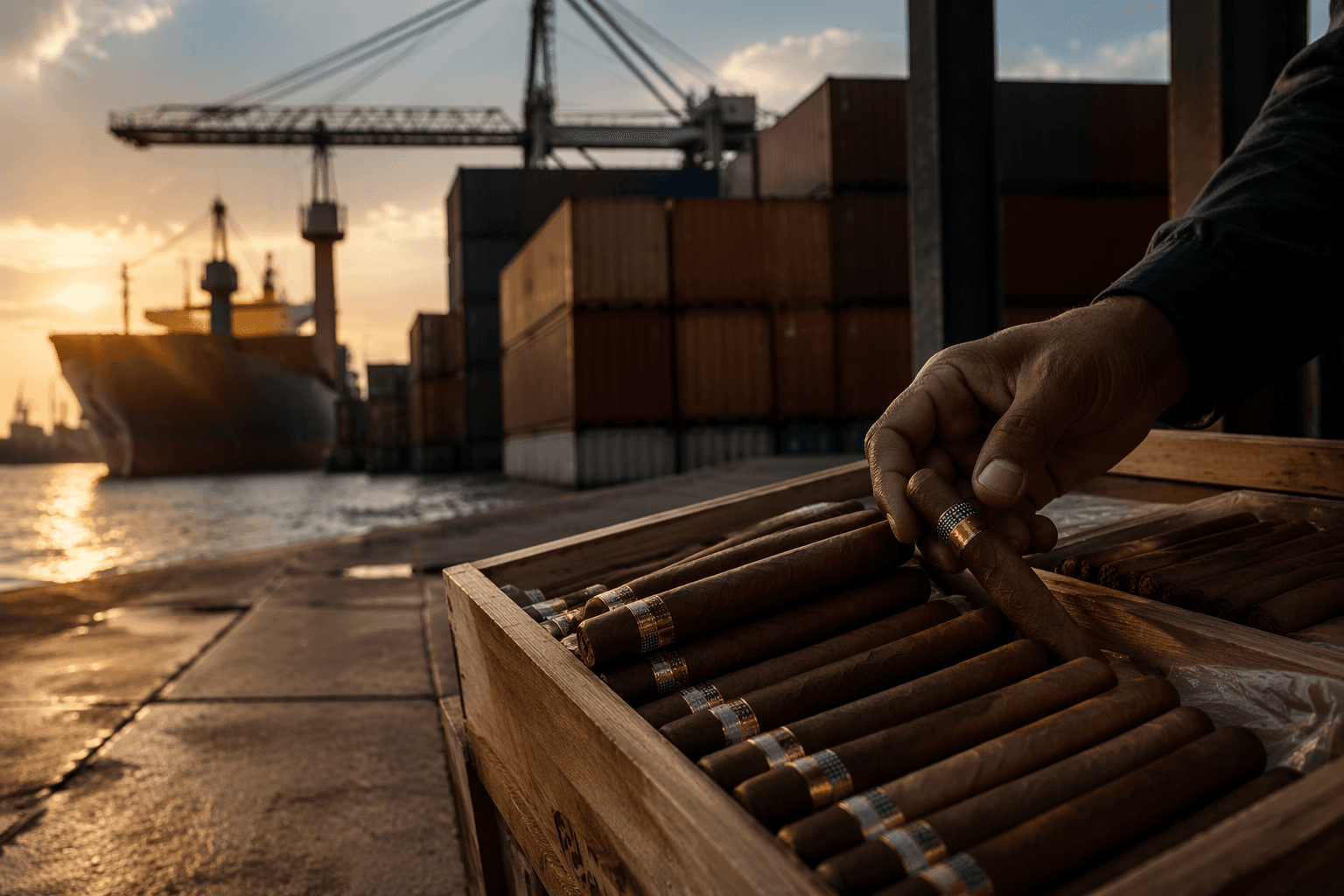
Phoenicia T.A.A. Cyprus Ltd. began adding a 6.5% surcharge to all offers and orders of Cuban cigars on June 23, a move that pushes shipping pain straight into the retail price of the box. On a €1,000 box, the surcharge alone adds €65 before any shop margin, local tax or currency markup, and that is exactly the kind of cost that can make collectors pause, trim orders or wait for the next allocation.
The distributor said the charge is temporary and will disappear once maritime services to Cuba are restored. The trigger is not a routine pricing tweak. Phoenicia said a sharp decline in sea cargo to and from Cuba forced it off ocean freight and onto air freight, a shift that raises transport costs fast and leaves less room for retailers to absorb the hit.
That matters because Phoenicia is no small intermediary. The company describes itself as a leading cigar distributor with a network spanning more than 56 countries across Eurasia, Sub-Saharan Africa, the Gulf, the Middle East, Cyprus, Greece and Egypt. Habanos’ own distributor directory lists Phoenicia Trading T.A.A. Cyprus Ltd. as an exclusive distributor for multiple markets, including Cyprus, Greece, Malta, Ukraine, Turkey and much of Africa. When a distributor with that reach starts adding a freight surcharge, the pressure does not stay local.
The broader cigar business still has plenty of momentum on paper. Habanos, S.A. reported $827 million in revenue in 2024, up 16% from 2023, and said it introduced 33 new products that year. Its biggest revenue markets were China, Spain, Switzerland, the United Kingdom and Germany. Even so, the message from Cuba’s logistics chain is clear: demand for premium cigars remains strong, but getting boxes out of Havana and into shops is becoming more expensive and less predictable.
That is where the wallet impact gets bigger than one surcharge. In early 2025, Miguel Díaz-Canel said tobacco had become Cuba’s leading export product, making cigar logistics a national issue as well as a commercial one. Then, on May 17, 2026, CMA CGM and Hapag-Lloyd suspended all bookings to and from Cuba until further notice, and Reuters said the disruption could affect up to 60% of Cuba’s shipping traffic by volume. The Office of the United Nations High Commissioner for Human Rights warned in February that Cuba’s deepening socio-economic crisis was worsening shortages and threatening essential services.
Phoenicia’s 6.5% charge looks temporary, but it reads like an early warning. If freight keeps moving off the water and onto the plane, Cuban cigars will not just get pricier at the counter. They will start to behave like the luxury item the market already treats them as, with thinner margins, slower inventory and more buyers forced to think twice before placing the next order.
This article was produced by Prism’s automated news system from verified source data, official records, and press releases, then run through automated quality and moderation checks before publishing. The system is built and supervised by the people who set the standards it runs under. Read our full AI policy.
Know something we missed? Have a correction or additional information?
Submit a Tip