Step-by-step Cuba travel checklist for 2026 flights, hotels, power shortages
Expect airlines to change schedules, Cuban authorities to consolidate or close hotels, and rolling power and fuel shortages, plan flexible tickets, written hotel confirmations, and off‑grid power.
1. Check and recheck flight status before you leave
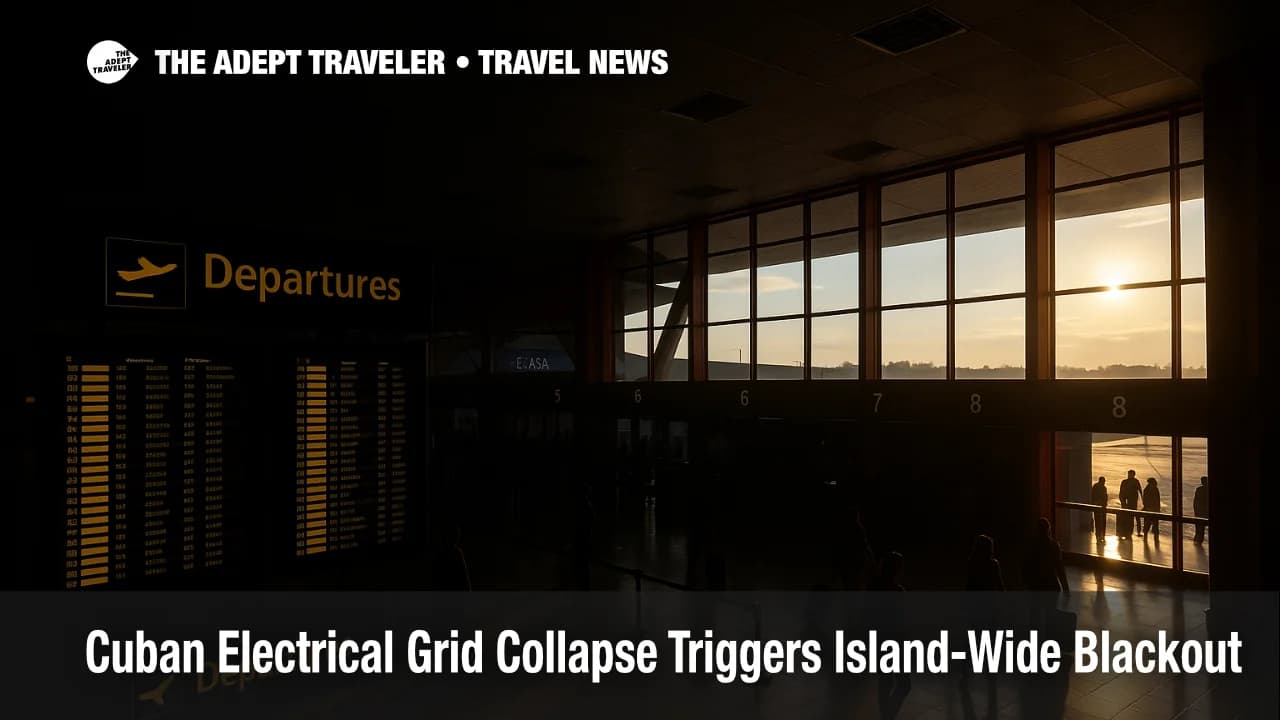
Confirm your airline has not suspended the route and recheck 72, 48, and 24 hours before departure. Flight suspensions are the fastest-moving disruption: carriers are limiting seats and changing routings; you’ll want electronic confirmations and screenshots of any rebooking or refund offers. If your ticket is nonrefundable, call the airline and get an exception or waiver in writing, an email or case number is the only leverage if the carrier later argues you abandoned the flight.
2. Buy flexibility: refundable fares or solid waiver coverage
If you’re still choosing fares, pay the few extra dollars for refundable or changeable tickets, or buy a flexible fare from a carrier that is explicitly honoring free changes. Airlines are suspending routes and consolidating capacity; that means rebooking windows can close quickly and fees can be enforced if you don’t have a waiver. If you must buy a basic fare, pair it with travel insurance that lists "airline schedule changes" and supplier failure as covered reasons.
3. Reconfirm hotels and expect consolidations or temporary closures
Cuban authorities have been consolidating and temporarily closing hotel properties in response to fuel and operational limits, don’t assume a reservation equals availability on arrival. Call the hotel two days before travel and again the day before; get an emailed confirmation or voucher that shows your room and check‑in time. If a hotel notifies you of a consolidation or closure, demand written details on relocation logistics, who pays for transfers, and whether you’ll get the same category of room or a refund.
4. When hotels relocate guests, get everything documented
If you’re moved to another property, collect (and photograph) all documents: the hotel’s written relocation notice, bus/transfer receipts, a new reservation voucher, and any names or badge numbers of staff who handled the move. Cuban authorities and operators are doing on‑the‑ground consolidations; if you’re paying cash for an unexpected night, keep the receipt, without it you’ll have no proof for an insurer or card dispute. Also keep any WhatsApp or email thread that shows the hotel promised a specific amenity or rate.
5. Prepare for rolling power outages, bring the right batteries
Power shortages in Cuba mean intermittent electricity in hotels and towns. Bring at least one high‑capacity power bank (20,000–50,000 mAh) with USB‑C PD output for phones and a small laptop; that size will recharge a phone multiple times and is still manageable in carry‑on. If you need more capacity for cameras or medical devices, a compact 100Wh (or two) lithium battery pack is practical, note airlines limit batteries over 100Wh without approval, so keep those in carry‑on and confirm limits with your airline before flying.
6. Pack off‑grid charging gear: solar and low‑draw lights
A foldable solar panel (10–30W) and a USB power‑bank that accepts solar input will keep your basics running during multi‑hour outages; I travel with a 20W foldable panel and a 25,000mAh PD bank and it gets me through three days of spotty power. Throw in a low‑power LED lantern or headlamp (USB rechargeable, <5W) rather than relying on hotel lamps that may be turned off. • Tip: test your solar setup at home before you go, ports, cables, and PD negotiation fail more often than you think.
7. Pack for fuel constraints and transport delays
Fuel shortages mean taxis and rental cars can be scarce or rationed; plan extra transit time between airports and hotels and avoid tight connections. If you booked a rental, confirm fuel availability at pickup and ask the company about their policy if you’re stranded due to rationing. Consider booking a private transfer with a reliable operator that can provide written confirmation of pick‑up time and vehicle; public buses are less predictable when fuel is constrained.

8. Cash, cards, and contingency funds
Bring more cash than you normally would for a trip of the same length, you may need to pay for unplanned hotel nights, transfers, or fuel. Expect plastic to be flaky: have cash for small businesses and keep some emergency cash stashed separately from your wallet. Notify your bank of Cuba travel, and have a second card or a service that can send emergency funds; written receipts are essential if you later file insurance or chargeback claims.
9. Communications and backups for check‑ins
Wi‑Fi and hotel connectivity can be hit‑or‑miss during consolidations and outages. Buy an eSIM or local SIM at the airport if you need steady data for confirmations and maps; if you rely on hotel Wi‑Fi, plan for daily windows of offline operation. Save airline and hotel confirmations offline (screenshots and PDFs) and keep physical printed copies of any critical vouchers, when power’s out and your phone is low, paper is the most reliable proof.
10. Pack medical devices, prescriptions, and extra batteries
If you rely on a medical device (CPAP, nebulizer, insulin pump), plan for power interruptions: bring travel‑sized backups, extra batteries where applicable, and physician letters describing the device and meds. Pharmacies and medical supplies can be limited during logistical slowdowns; bring at least a week’s extra of essential medications and printed prescriptions in case local pharmacies require them.
11. Document every disruption for insurance and dispute claims
When flights change, hotels close, or you’re relocated, immediately document timestamps, confirmations, staff names, and receipts. Insurers and card companies require granular documentation to process trip interruption or supplier‑failure claims, your best chance at reimbursement is a clear paper trail of what happened, when, and who promised what.
12. Final posture: travel with flexibility and a short plan B
Treat every Cuba itinerary as provisional: airlines are suspending routes, Cuban authorities are consolidating hotels, and power and fuel shortages are creating knock‑on effects across ground transport and services. Build an extra travel day at the start and end of any trip, buy flexible or refundable options where it counts, and pack the power gear that keeps you functioning when the grid does not. As of February 28, 2026, being nimble and document‑obsessed is the single best way to turn a disruptive trip into a manageable one.
Know something we missed? Have a correction or additional information?
Submit a Tip