Trump Says U.S. Strength Will Bring New Dawn for Cuba
Trump’s “new dawn” warning sharpened fears of a real Cuba escalation, even as U.S. aid and fresh talks with Havana kept diplomacy in play.
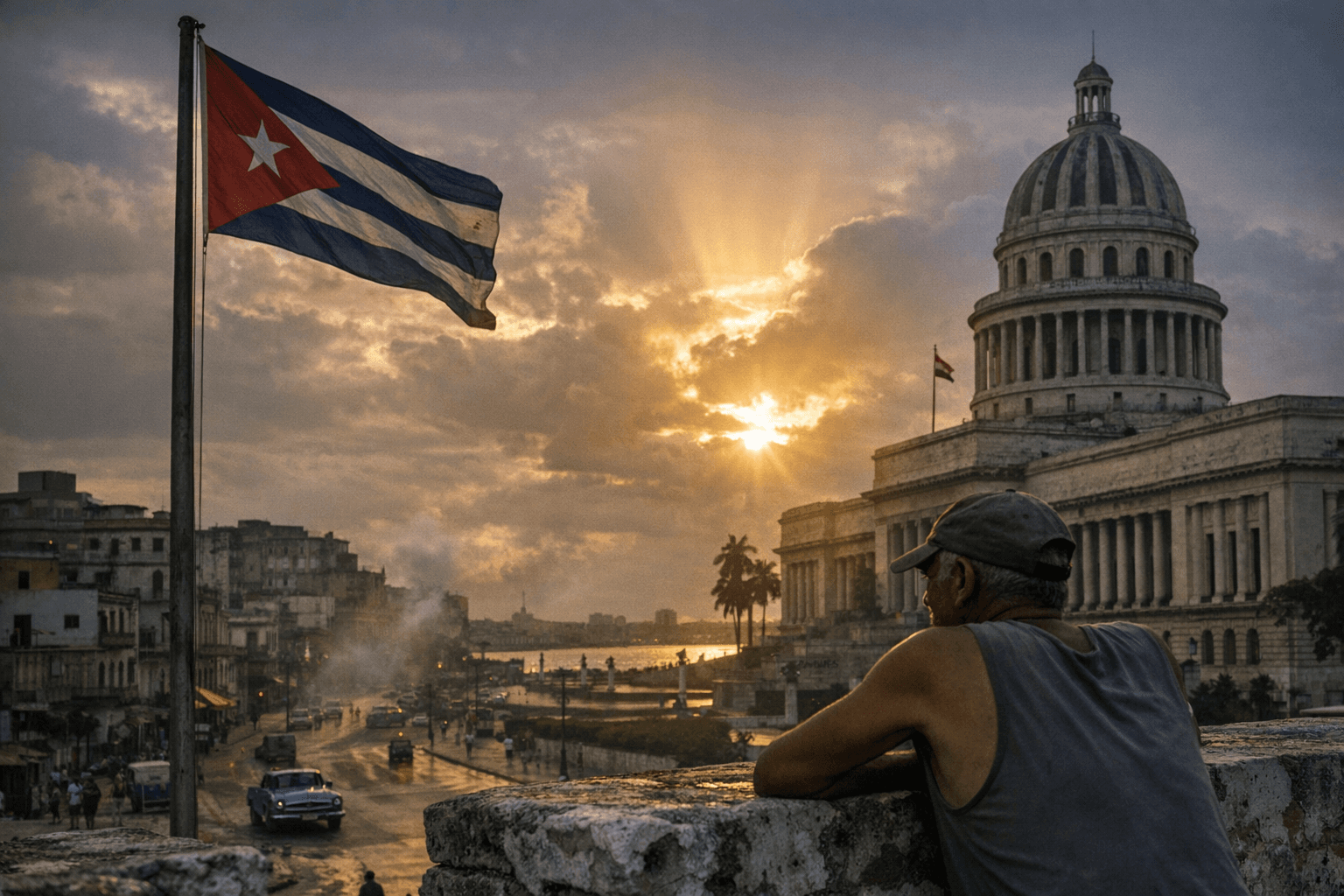
Trump’s promise that U.S. strength would bring a “new dawn for Cuba” landed less like theater than a warning flare. If it is policy, Cubans on the island could face tighter pressure, more fear of military action and a harsher squeeze on a population already living through an energy shortfall and Hurricane Melissa recovery. If it is campaign messaging, the rhetoric still matters because it can move markets, unsettle families in Miami and Havana, and keep the island in a permanent state of alarm.
Trump delivered the remarks at a Turning Point USA rally in Phoenix, Arizona, on Friday, April 17, 2026, saying change for Cuba would come “very soon” and tying that shift to U.S. military strength. He linked Cuba to recent U.S. operations in Iran and Venezuela, then told the crowd, “We’re going to help them out with Cuba,” followed by, “watch what happens.” The language was part threat, part promise, and it immediately set off debate across social media about whether Washington was signaling real action or simply staging a political message for a crowd that knows the old Cold War scripts.
The remarks did not come out of nowhere. On March 17, Trump said he would have the “honor” of taking Cuba as the country was struggling with an energy crisis. Reuters later reported that on March 28 he told a Miami forum, “Cuba is next,” while praising U.S. military successes elsewhere. Now, according to reporting, military planning for a possible Pentagon-led operation in Cuba is quietly ramping up if Trump orders intervention.
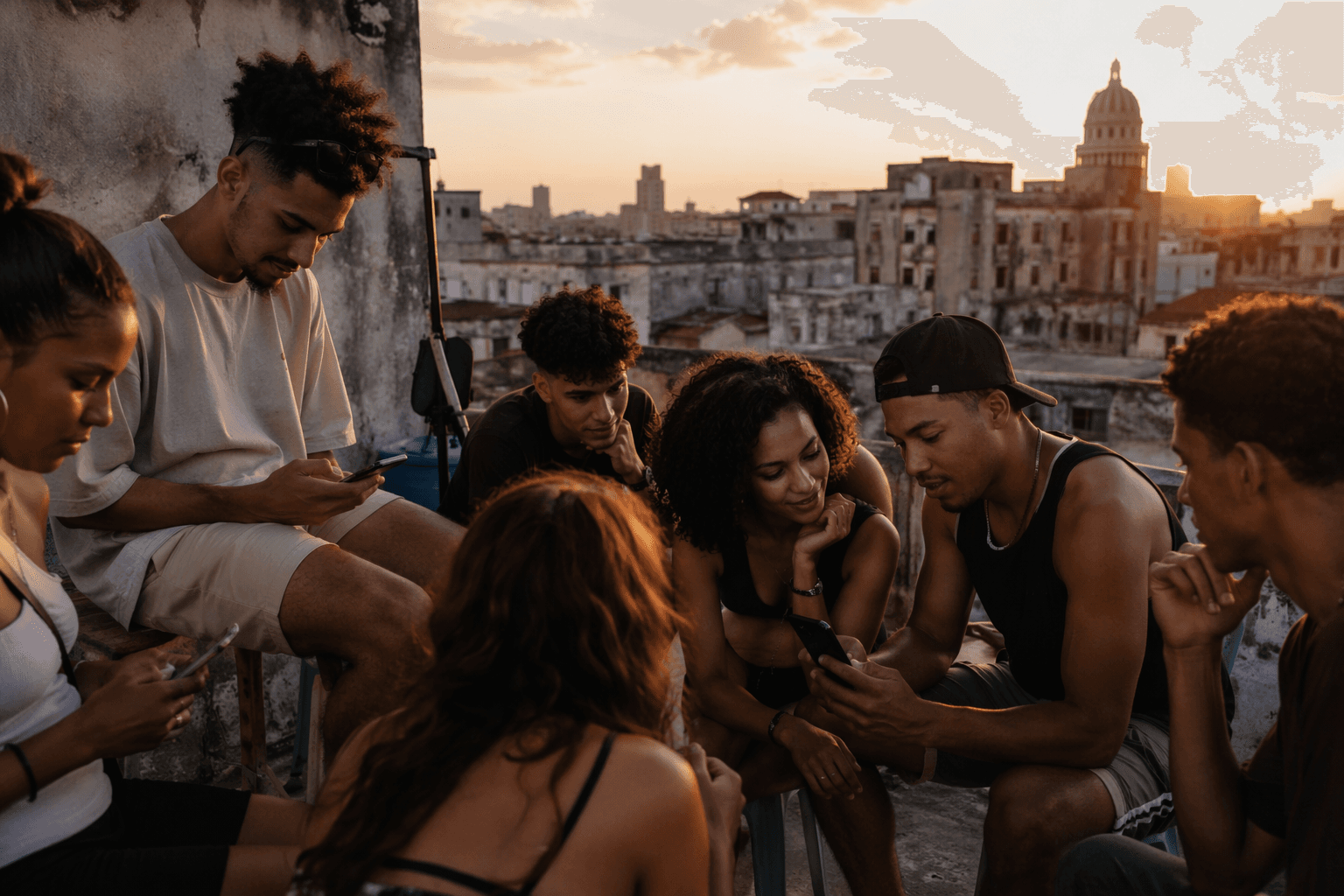
That makes the stakes clear for Cubans on both sides of the Florida Strait. On the island, Miguel Díaz-Canel said Cuba does not want U.S. military aggression but is prepared to fight if needed. In the diaspora, especially in South Florida, Trump’s language revives an old fear that rhetoric can harden into action, or at least into another round of chaos that families will have to absorb from afar.
At the same time, the pressure campaign has not shut the door on diplomacy. AP reported that an American delegation recently met with Cuban government officials in Havana, a renewed channel even as tension climbed. Reuters also reported that Jonathan Jackson, D-Ill., and Pramila Jayapal, D-Wash., visited Cuba on April 4 and urged Trump to “bring the rhetoric down.”
The U.S. government has also kept a humanitarian track open. The State Department announced $3 million in disaster relief on January 14 and another $6 million in direct assistance on February 5 for Hurricane Melissa recovery and other humanitarian needs. That split screen, aid on one hand and military language on the other, is what makes this moment so combustible: Cuba is being talked about as both a crisis to relieve and a target to threaten, and those are very different futures for the same island.
This article was produced by Prism’s automated news system from verified source data, official records, and press releases, then run through automated quality and moderation checks before publishing. The system is built and supervised by the people who set the standards it runs under. Read our full AI policy.
Did this article answer your question?