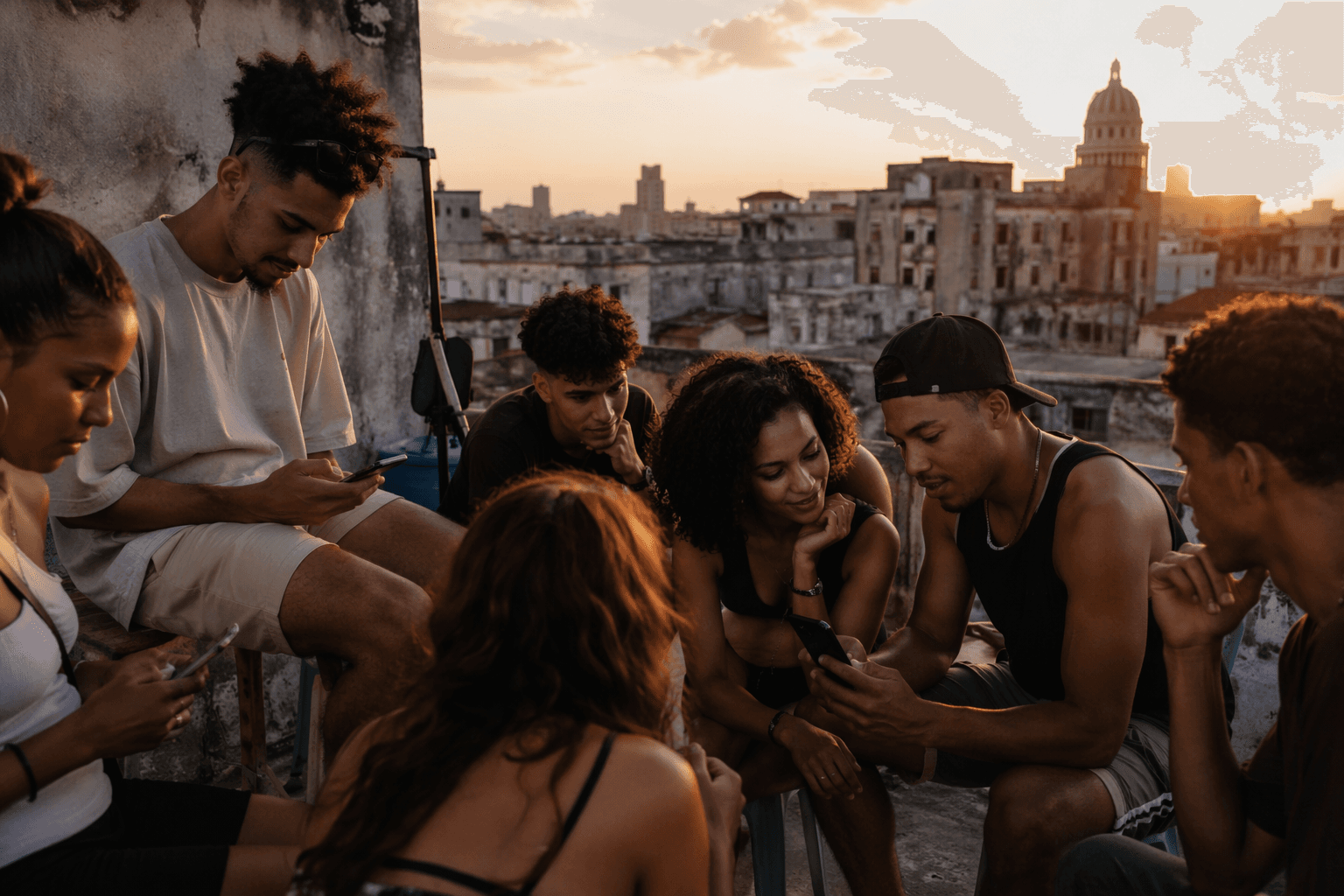
U.S. Customs Seizes Devices from Cuba Humanitarian Convoy Members at Miami Airport
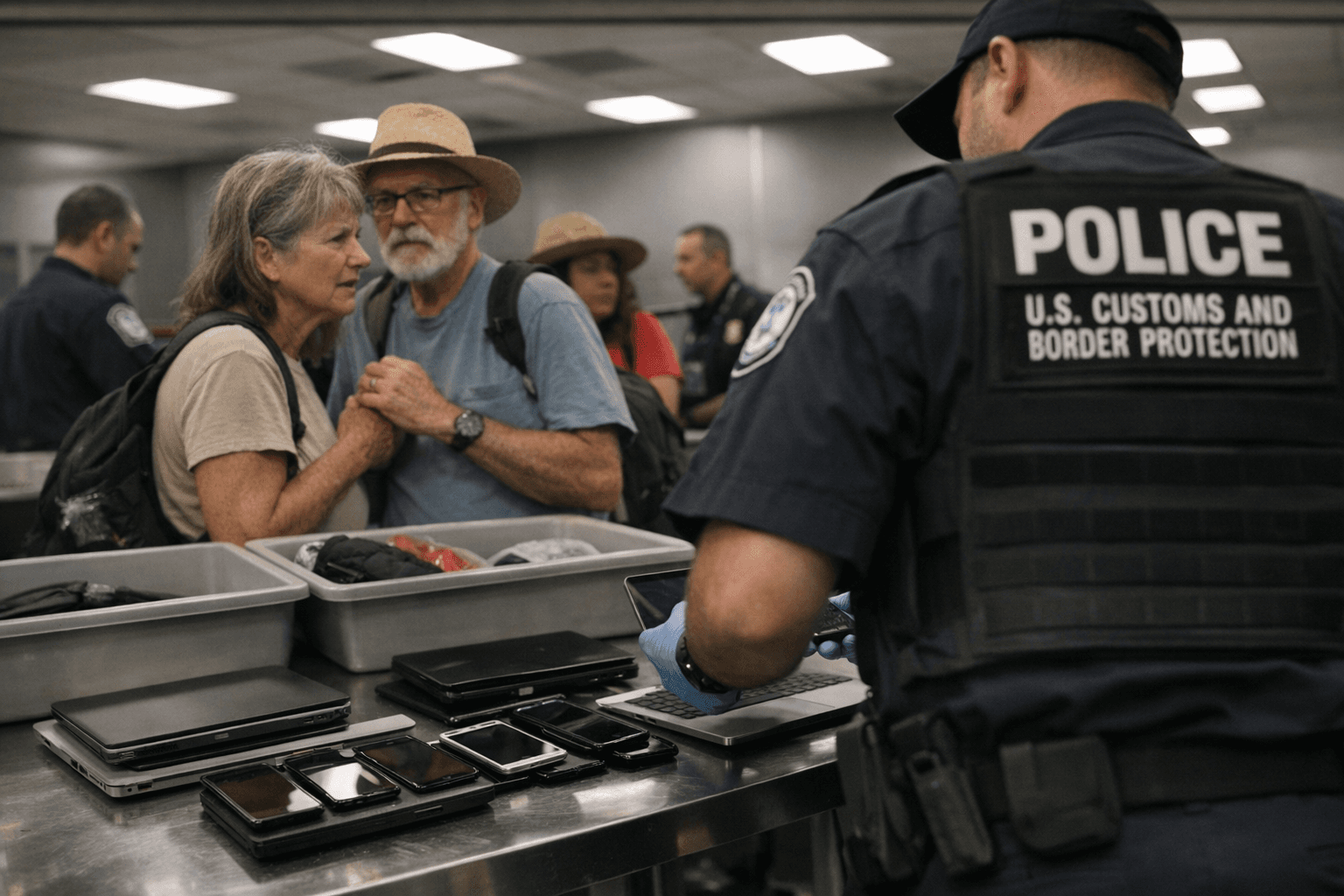
CBP pulled 20 convoy members returning from Havana into secondary inspection at Miami, seizing 18 devices with no timeline for return.
Olivia DiNucci, a CodePink organizer from Washington, D.C., had not yet reached the passport desk when she heard her name called. She had just flown back from Havana as part of the Nuestra América Convoy, an international effort that delivered roughly 20 tons of humanitarian aid, including medical supplies, solar panels, baby formula, and bicycles, to Cuba amid the island's deepening energy and fuel crisis. CBP officers, by multiple accounts, appeared to be ready and waiting.
Of the 20 U.S. citizens pulled into secondary inspection at Miami International Airport on the morning of March 26, 18 had their phones, tablets, laptops, and Kindles seized. Participants said they were held for more than two hours. CBP did not respond to requests for comment.
The Nuestra América Convoy, named after a 19th-century essay by Cuban intellectual José Martí, brought together 650 delegates from 33 countries and 120 organizations. CodePink alone coordinated 170 participants who carried 6,300 pounds of medical supplies into Havana. Amazon labor leader Chris Smalls and journalist Katie Halper were also among those detained and searched. Halper, host of The Katie Halper Show and co-host of Useful Idiots, had her phone and laptop examined by border agents. "Solidarity is not a crime," she said afterward. "What our government is doing to Cuba is illegal and immoral and unjust and criminal. And this is the domestic front of that same war."
The legal picture at the U.S. border is complicated, and anyone who traveled to Cuba as part of an organized group should understand it before their next trip. CBP asserts broad authority to examine electronic devices at ports of entry, and courts have repeatedly upheld that power, meaning agents do not need a warrant to look through a phone or laptop at the border. Lawyers Ira Kurzban and Rachel Cohen of the National Lawyers Guild, who became involved after the seizures, confirmed that border agents have wide discretion. But they also noted that U.S. citizens cannot be held indefinitely and must ultimately be granted entry. Crucially, American citizens have the right to refuse to answer questions without being suspected of a crime, though they are not entitled to an attorney at that stage. The laws governing cell phone searches at the border are murkier than most travelers realize, with no clear statutory limit on how long CBP can retain a seized device or what it can extract from one.
A human rights lawyer involved in the case called the pattern of searches "clearly meant to harass," arguing the targeting of convoy members went beyond routine customs enforcement and carried a political message. The involvement of groups like CodePink and the National Lawyers Guild means legal challenges and demands for policy clarity on device retention are likely to follow.
For anyone planning Cuba travel, Medea Benjamin of CodePink issued an unambiguous practical directive: bring a burner phone, not your personal device. Back up your data before departure, travel with the minimum number of accounts logged in, and know that silence is legal. DiNucci, for her part, was not backing down. "This will not deter us," she said. "Our solidarity has to escalate as the government escalates. And that means going back to Cuba, bringing more people, exposing the everyday hardships.
This article was produced by Prism’s automated news system from verified source data, official records, and press releases, then run through automated quality and moderation checks before publishing. The system is built and supervised by the people who set the standards it runs under. Read our full AI policy.
Did this article answer your question?