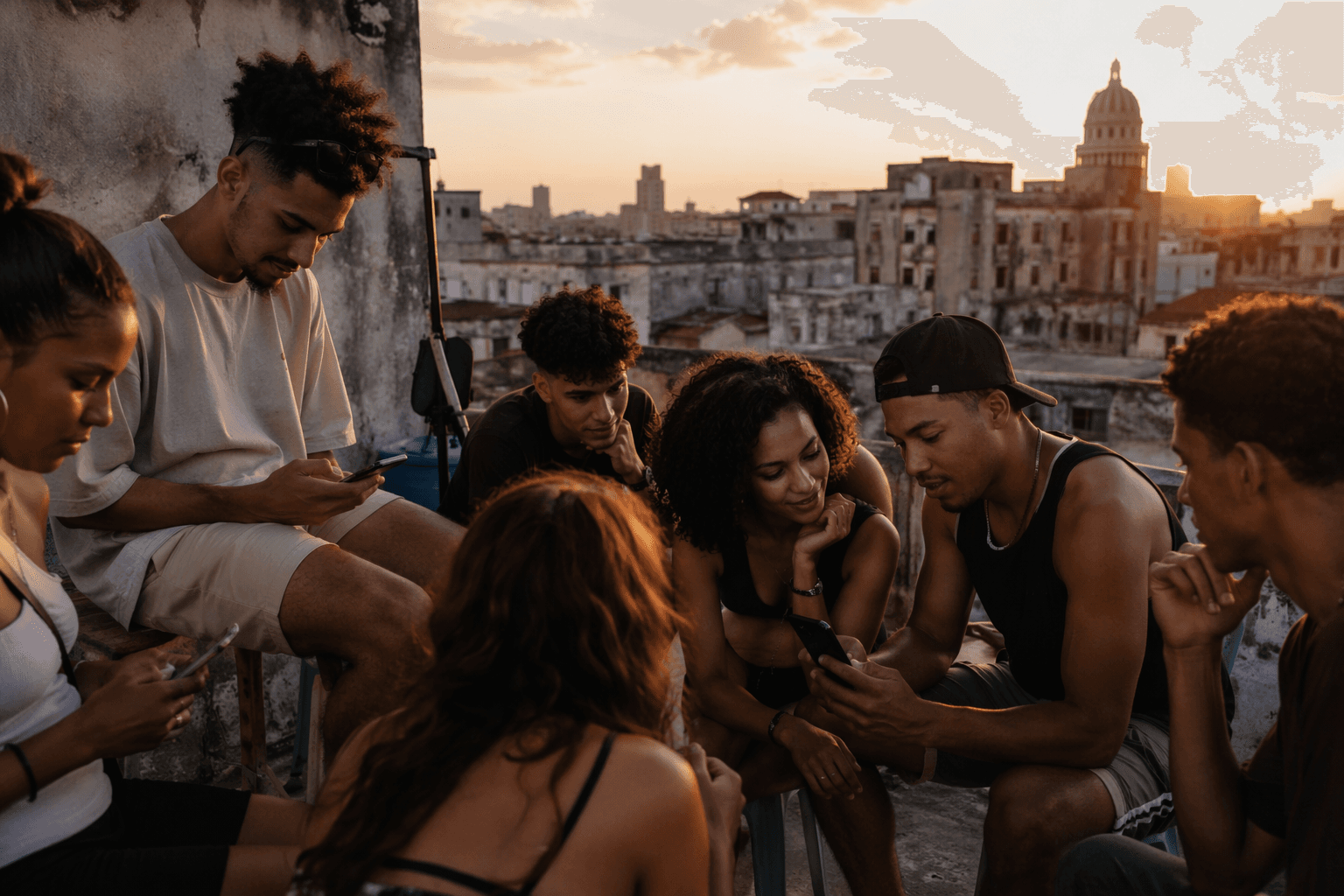
U.S. Diplomat Visits Havana Art Space, Demands Release of Jailed Cuban Artists
A U.S. diplomat walked into Havana's independent Lavandería gallery on April 4 and publicly demanded Cuba free artists Otero Alcántara and Osorbo, sentenced to a combined 14 years.
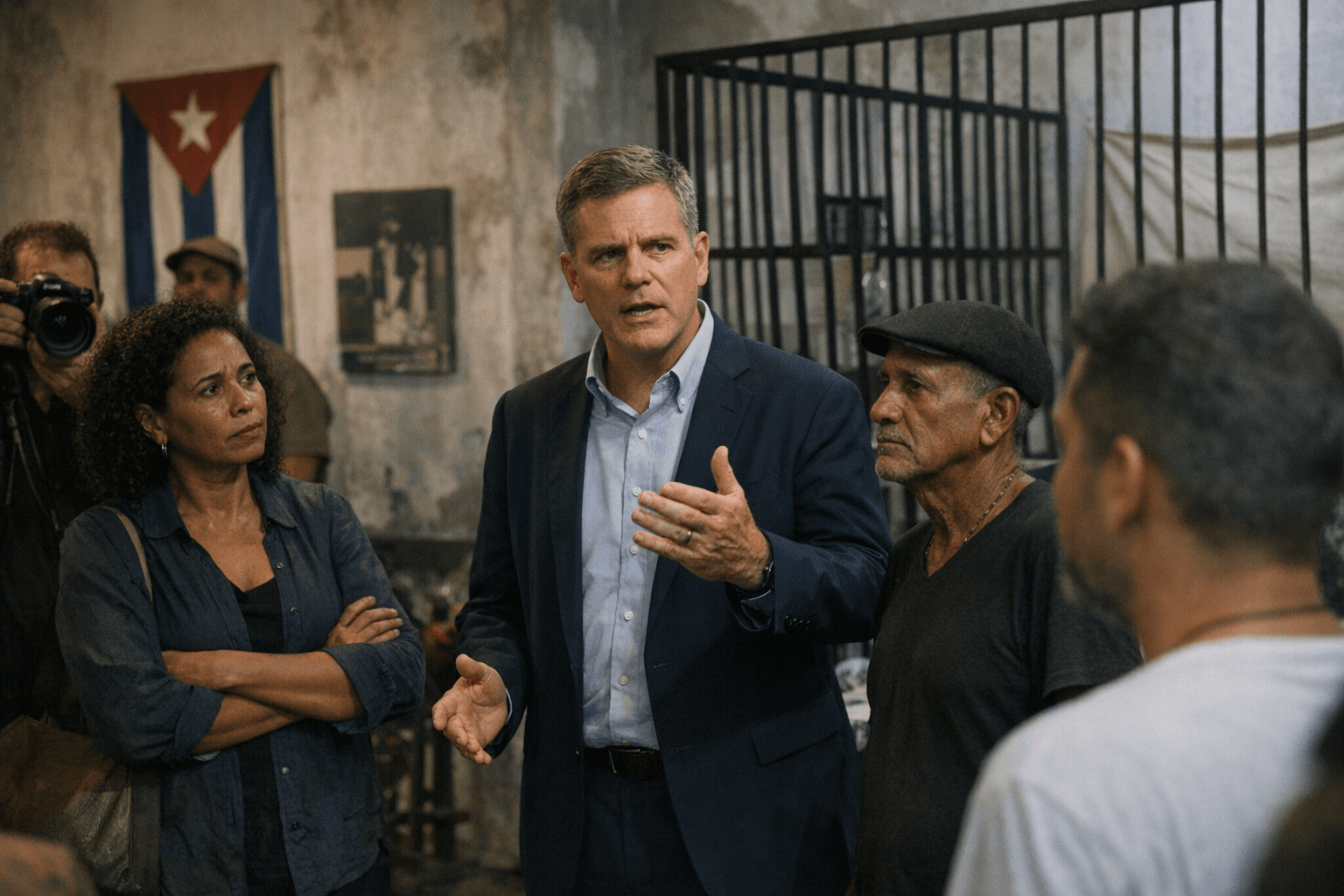
Two Cuban artists are serving a combined 14 years in prison. On April 4, the top U.S. diplomat in Havana walked into an independent gallery in the Playa municipality and said so publicly.
Mike Hammer, the U.S. Chargé d'Affaires in Cuba, visited the independent art space Lavandería in Havana and used the occasion to press one of the sharpest human rights demands currently in U.S.-Cuba diplomacy: release Luis Manuel Otero Alcántara and Maykel Osorbo.
Inside the gallery, Hammer met with artists Ilse Antón Rodríguez and Rafael Pérez Alonso. The U.S. Embassy later posted on social media: "It was a pleasure to meet artists Ilse Antón Rodríguez and Rafael Pérez Alonso at their gallery 'Lavandería.' We discussed the crucial role of the independent art community in a nation's life and the essential nature of freedom of expression and thought."
The two men Hammer named are not peripheral figures. Otero Alcántara is the leader of the San Isidro Movement, detained since July 2021 and sentenced to five years on charges the U.S. Embassy has called fabricated. In December 2025, he began a voluntary hunger strike as a form of protest, and in February 2026 he reported being used as a bargaining chip by the regime. Osorbo, co-author of the protest anthem "Patria y Vida," was sentenced to nine years in prison. Habeas corpus petitions filed on behalf of both men have been rejected.
The choice of Lavandería as the backdrop was not incidental. Lavandería is an independent art gallery in Havana, representing the challenges and perseverance of non-official cultural spaces in Cuba. It operates outside the Ministry of Culture's official structure, precisely the kind of autonomous creative space the Cuban government has worked to suppress through instruments like Decree 349, the regulation used to criminalize unauthorized artistic activity. A documentary, Estamos Conectados, released on February 7, 2026, features the words and works of Otero Alcántara to highlight Cuba's ongoing suppression of artistic expression through Decree 349. Hammer standing inside a gallery like Lavandería and posting about it publicly was itself the message.
During Holy Week, Hammer increased his activities, visiting Lavandería on Friday to advocate for the release of the imprisoned artists. On Thursday, he made a bold statement, predicting that "the dictatorship will end" by 2026. It is not his first time drawing state attention. On a previous visit to Matanzas, Hammer reiterated U.S. support for freedom of expression and was closely monitored by State Security agents throughout his visit, though the surveillance did not lead to any public incidents.
Cuba's standard posture toward U.S. engagement with independent artists frames such contacts as foreign interference and characterizes the detained men as common criminals, not political prisoners. That position has held even as international pressure has built. The U.S. Embassy supported Freedom House's call for the release of Otero Alcántara, Osorbo, and all political prisoners, and U.S. congressional representatives have separately urged the State Department to intervene. None of it has altered the sentences.
For the artists and curators operating spaces like Lavandería, the visit from a senior U.S. diplomat carries two simultaneous meanings: visible moral support from an internationally recognized government, and the near-certain certainty of heightened scrutiny from a state that does not distinguish between foreign validation and foreign threat.
This article was produced by Prism’s automated news system from verified source data, official records, and press releases, then run through automated quality and moderation checks before publishing. The system is built and supervised by the people who set the standards it runs under. Read our full AI policy.
Did this article answer your question?