U.S. not planning imminent Cuba strike, weighs aid and sanctions
Washington is still talking aid, sanctions and leverage, not invasion, even as Trump warns Cuba could be next. The pressure is already hitting fuel, surgery and water.
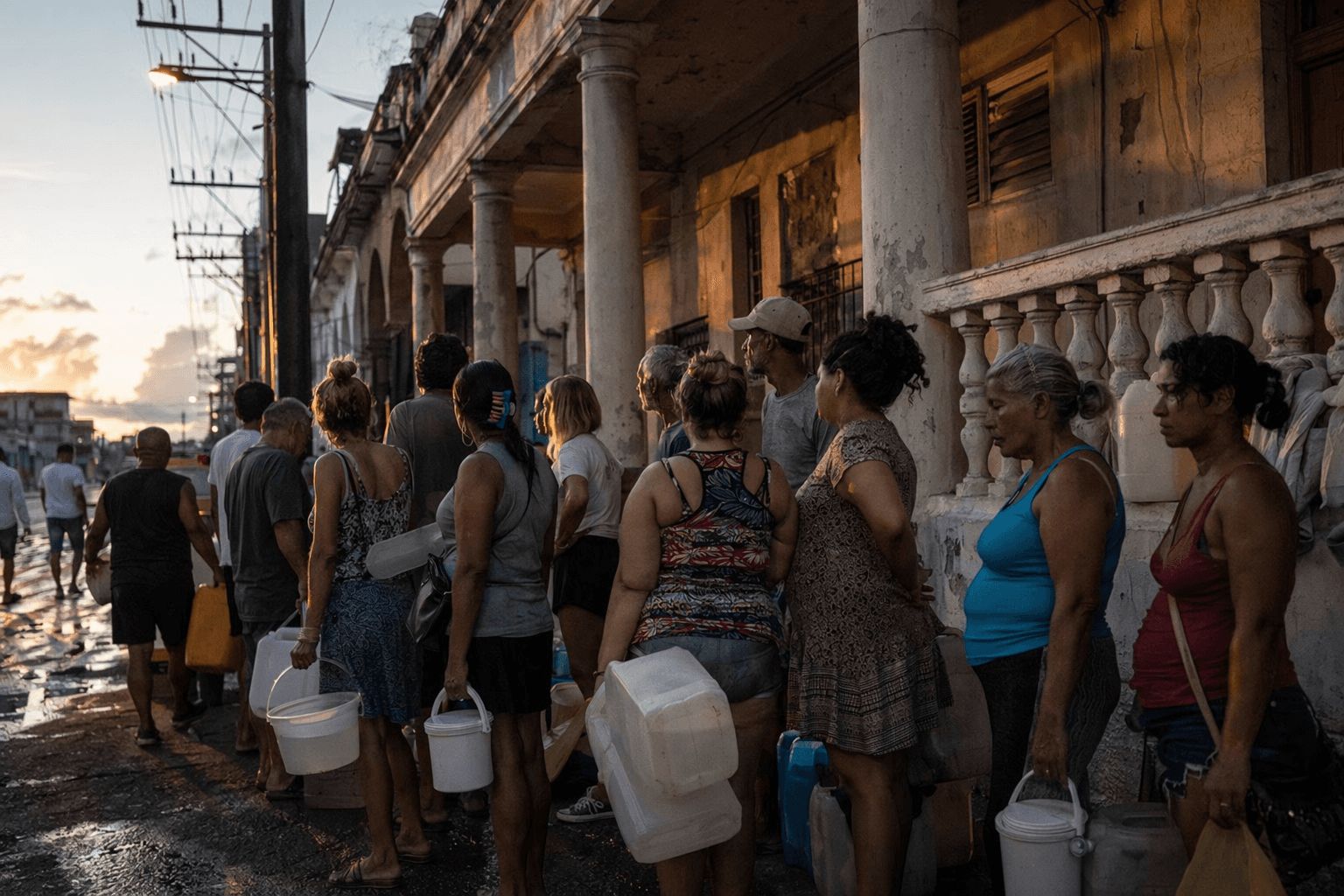
The White House is not planning an imminent military strike on Cuba, even as Donald Trump escalates the rhetoric and talks about using American warships as pressure. What is taking shape instead is a hard-edged campaign of sanctions, aid offers and diplomatic signaling aimed at Havana’s next move, not a battlefield operation.
That distinction matters because the policy risk is real even if invasion is not. Trump signed an executive order on May 1 broadening U.S. sanctions on Cuba, and on May 7 the administration moved again with financial sanctions targeting GAESA, the military-linked conglomerate that U.S. officials say controls at least 40% of Cuba’s economy, along with Moa Nickel SA, a Cuban-Canadian mining joint venture. Sherritt International said it suspended its direct participation in Cuban joint-venture activities effective immediately.
Washington is also mixing punishment with relief. On January 14, the State Department said it was sending $3 million in disaster aid after Hurricane Melissa, enough for about 6,000 families, or roughly 24,000 people, in Santiago de Cuba, Holguin, Granma and Guantanamo. The shipments were scheduled to leave Miami on January 14 and January 16, and the aid was to move through the Catholic Church to bypass regime interference. Officials have also floated broader incentives, including tens of millions of dollars in humanitarian aid, two years of free Starlink internet access for Cubans, agricultural support and infrastructure assistance, though they are not optimistic Havana will accept those conditions.
Cuba’s government has answered with its own warning language. On May 1, Bruno Rodríguez called the new sanctions “unilateral coercive measures” and said they amounted to collective punishment. After the May 7 sanctions, Cuba’s Foreign Ministry called them “ruthless economic aggression,” and Rodríguez said they showed “genocidal intent” toward the Cuban nation.
The island’s daily crisis gives that clash real weight. In April, the U.N. warned that Cuba’s humanitarian emergency was worsening after Washington moved at the end of January to block oil supplies. The U.N. said Cuba had suffered three national electrical-system disconnections the previous month, leaving the island in darkness for days at a time. It also said more than 96,000 surgeries were pending, including about 11,000 for children, while roughly one million people depended on water trucking. Cuba’s population is one of the oldest in Latin America, which makes every fuel shortage, hospital delay and blackout more punishing.
The embargo backdrop is old, but the current squeeze is sharper. The State Department says the U.S. embargo dates to February 1962, when President John F. Kennedy proclaimed a ban on trade with Cuba. What Washington is doing now is not preparing to land troops in Havana. It is tightening economic leverage, pairing sanctions with selective aid, and raising the cost of defiance for Miguel Díaz-Canel’s government.
This article was produced by Prism’s automated news system from verified source data, official records, and press releases, then run through automated quality and moderation checks before publishing. The system is built and supervised by the people who set the standards it runs under. Read our full AI policy.
Did this article answer your question?