U.S. Policies Fuel Cuba Blackouts, Killing Patients Amid Polarized Debate
Patients on ventilators at Havana's Hermanos Ameijeiras Hospital died during blackouts, as Ryan Grim's firsthand reporting from Cuba puts a human face on the U.S. oil blockade's deadly toll.
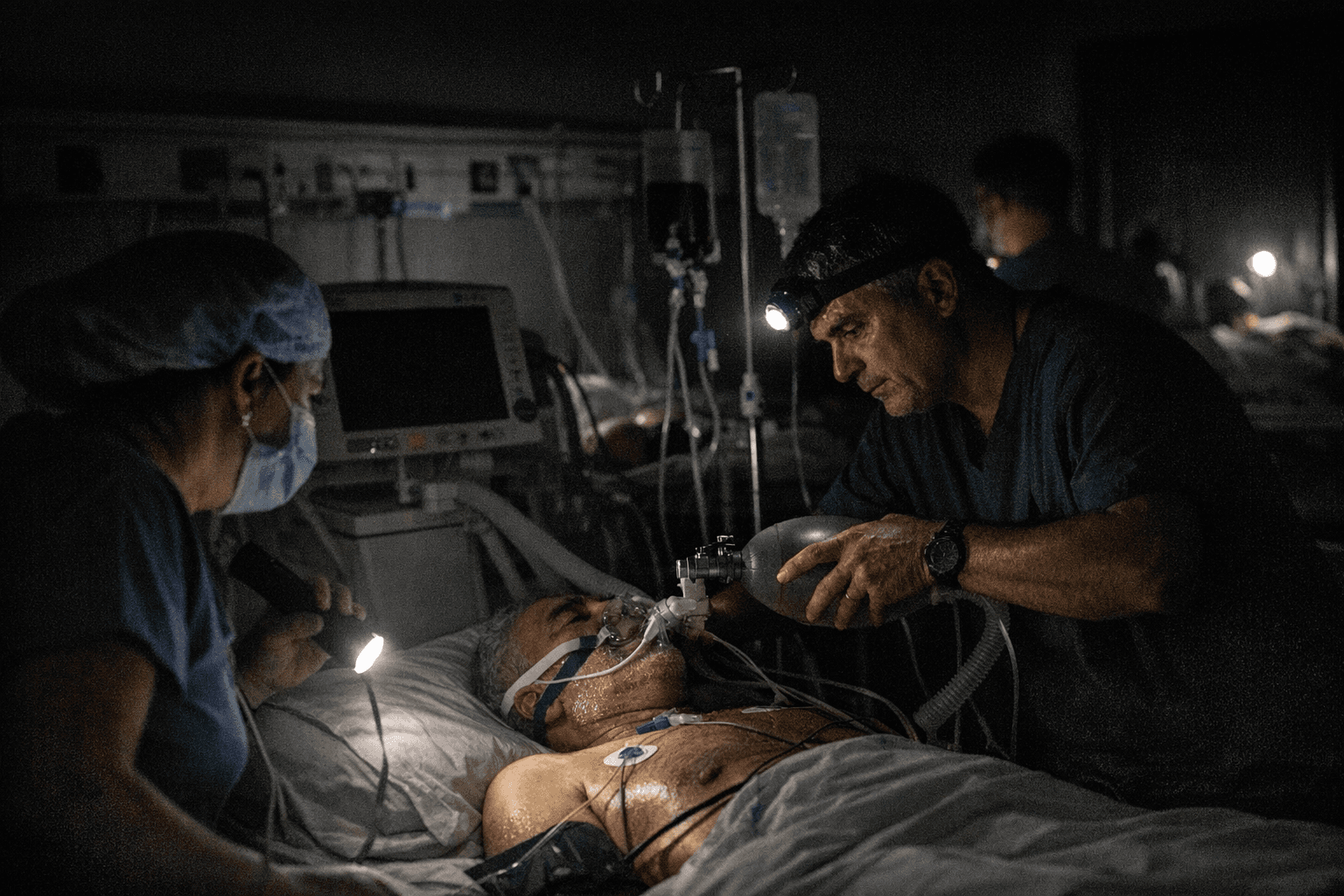
Patients on ventilators at Havana's Hermanos Ameijeiras Hospital have died as Cuba's power grid buckles under the weight of a U.S. oil blockade now entering its third month. Ryan Grim, co-founder of Drop Site News, traveled to Cuba to report firsthand on the severe power shortages resulting from the Trump administration's oil blockade.
On January 29, President Donald Trump announced a full-fledged oil embargo on Cuba, threatening heavy tariffs on any country that exported oil to the island. For nearly three months, Cuba has not received any oil shipments. The consequences have cascaded quickly: Cuba's Deputy Foreign Minister Carlos Fernández de Cossío confirmed on NBC's "Meet the Press" that more than 96,000 Cubans are in need of surgery, but hospitals have been forced to suspend medical procedures due to limited electricity and shortages of syringes and antibiotics. Among the most acute cases, an estimated 11,000 children are awaiting surgery as the fuel blockade pushes hospitals to the brink.
The grid has now collapsed three times in March alone. Cuba suffered its second nationwide blackout in less than a week, marking the third time the grid has collapsed this month. The most recent collapse occurred on Saturday evening after a major power plant in Nuevitas, in eastern Cuba's Camaguey province, failed and went offline, causing a cascade effect that knocked out power to approximately 10 million people. Blackouts of up to 20 hours in Havana and even longer in the provinces have become normal.
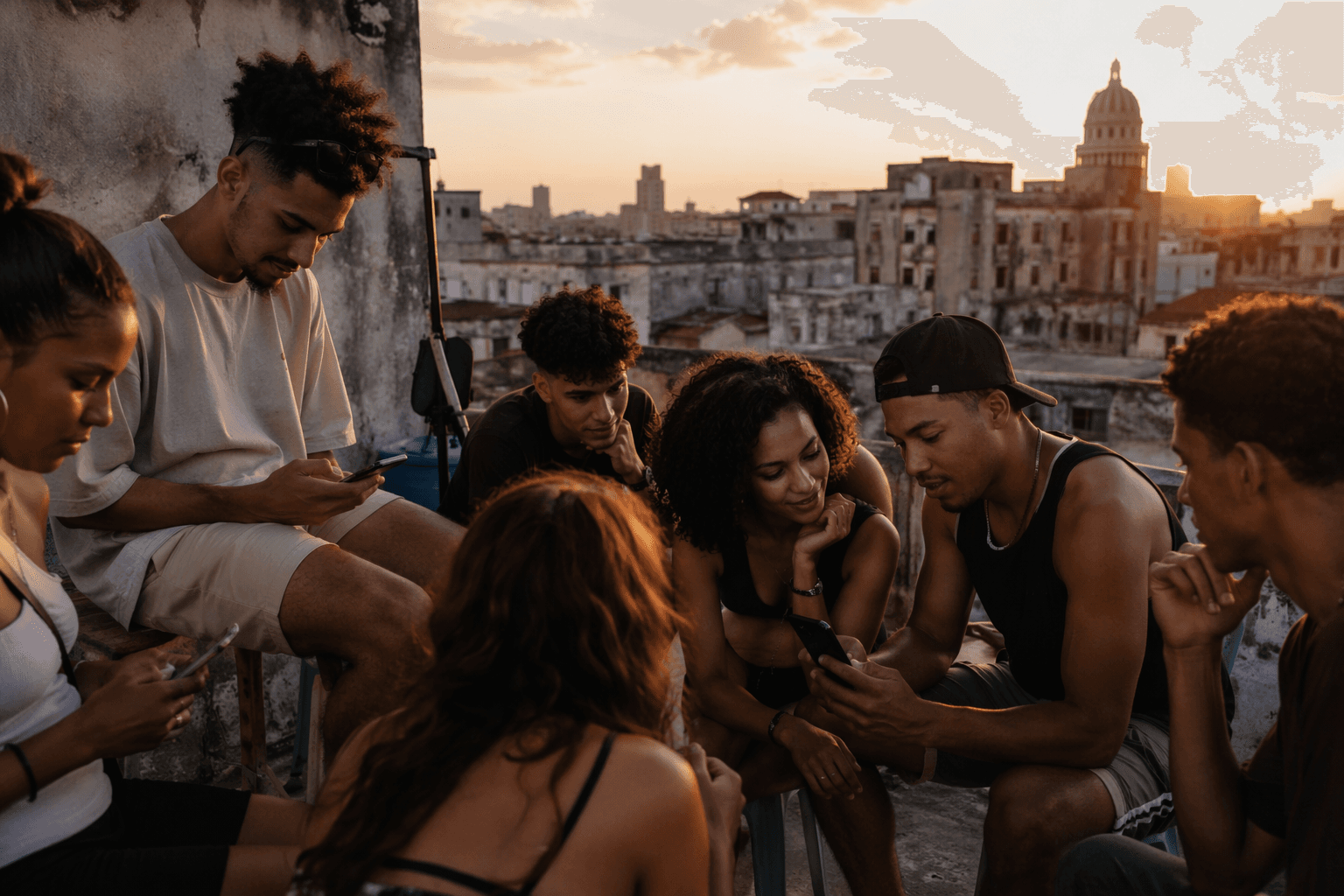
Almost three months after the U.S. effectively imposed an oil blockade, nearly every aspect of Cuban society has been feeling the strain. Trash has been piling up on the streets of the capital, hospital stays and surgeries are being limited, people are using wood fires to heat water, and blackouts have become commonplace. Nonessential workers have been told to stay at home, universities have closed, school schedules have been reduced, and hospital patients have been relocated to maximize capacity and care in fewer hospitals.
The debate over the blockade's purpose has become a fault line among analysts and policymakers. The United States is motivated by a desire for regime change on the island by the end of 2026. Secretary of State Marco Rubio has offered the bluntest version of Washington's rationale: "Their economy doesn't work," Rubio said. "That thing they have has survived on subsidies from the Soviet Union and now from Venezuela. They don't get subsidies anymore, so they're in a lot of trouble, and the people in charge, they don't know how to fix it, so they have to get new people in charge."
Critics view the framing as a moral deflection. Juanita Goebertus, Americas director at Human Rights Watch, said the "humanitarian situation in Cuba was already extremely fragile, but the electricity crisis is pushing many essential services to the limit," adding that "people don't have reliable access to drinking water, hospitals can't operate safely, basic goods are becoming increasingly difficult to obtain." U.N. experts have condemned the U.S. blockade on Cuba as a violation of international law.
In recent months, several Latin American nations have announced plans to end or roll back a medical cooperation program with Cuban doctors following U.S. pressure. Costa Rica also announced it was closing its embassy in Cuba and told the country to withdraw its own diplomats. Diplomatic talks are nevertheless underway: on March 13, Miguel Díaz-Canel publicly confirmed for the first time that his government was engaged in diplomatic talks with the United States aimed at addressing the severe oil and energy blockade. The U.S. has suggested it would ease pressure on Cuba if Havana struck a deal, the terms of which have not been disclosed.
Without oil, a long-running humanitarian crisis on the island is rapidly intensifying. If not properly addressed, the suffering and desperation could lead to violence and repression, but also a massive outflow of refugees fleeing in makeshift boats to the United States and other neighboring countries. The ventilators going dark at Hermanos Ameijeiras are not an abstraction in that debate; they are its sharpest possible expression.
This article was produced by Prism’s automated news system from verified source data, official records, and press releases, then run through automated quality and moderation checks before publishing. The system is built and supervised by the people who set the standards it runs under. Read our full AI policy.
Did this article answer your question?