Venezuela sends 25 tons of food and medicine to Cuba
Venezuela's solidarity network moved 25 tons of food and medicine to Cuba in 15 days, but the delivery landed amid blackouts, shortages and doubts over where aid actually goes.
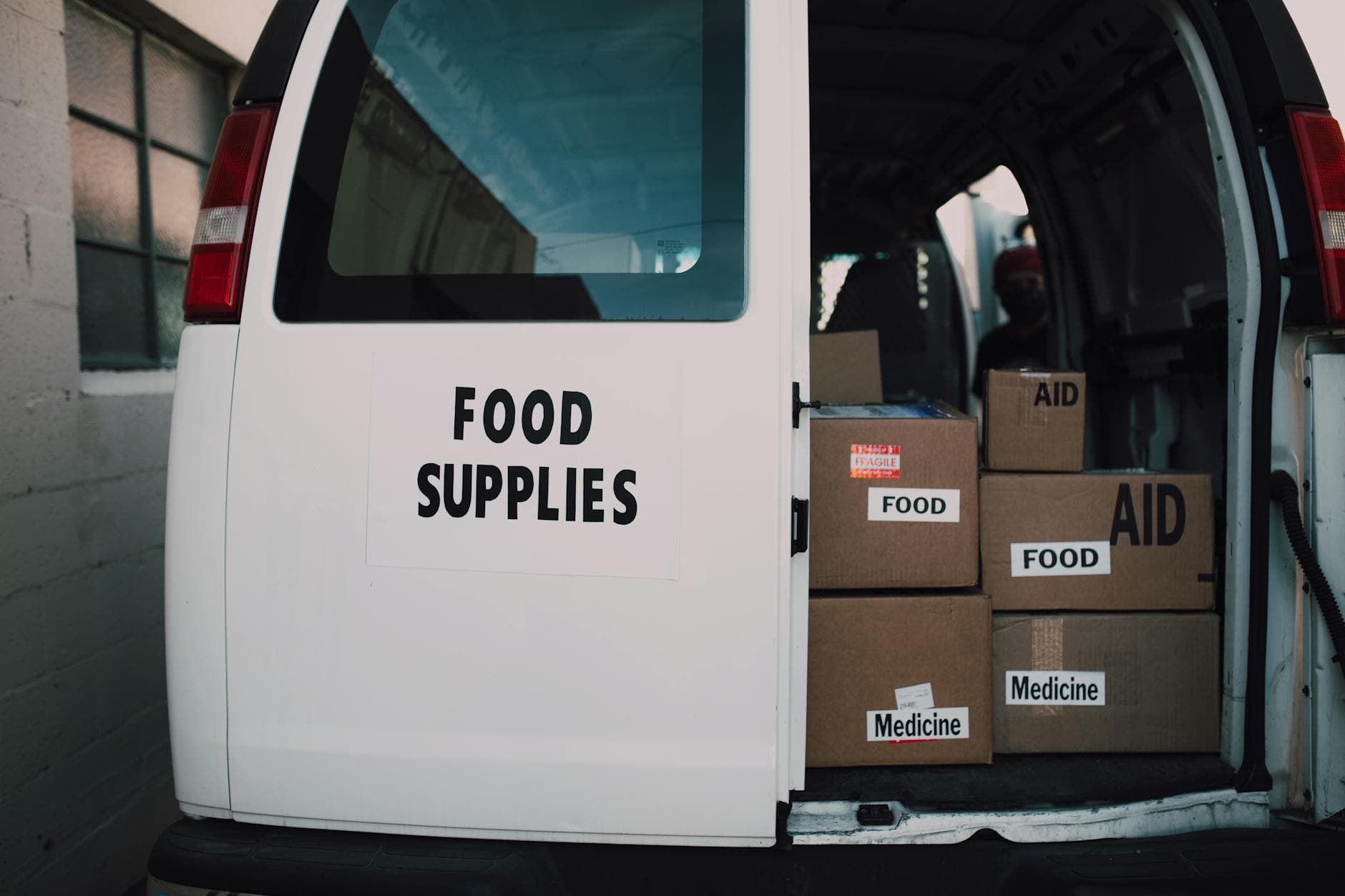
A new 25-ton shipment of food and medicine from Venezuela reached the Cuba conversation as another sign of how far the island’s shortages have spread, and how improvised the help has become. On April 26, the Movement of Friendship and Mutual Solidarity Venezuela-Cuba said it had raised the cargo in just 15 days through its “Love is Paid with Love” campaign, launched in February, and presented it as a gesture from the Venezuelan people rather than a standard state-to-state transfer.
That distinction matters. The movement said the effort had support from the Simón Bolívar Institute for Peace and Solidarity, along with governors and social movements aligned with Chavismo, leaving the line between civic solidarity and government coordination blurry from the start. The messaging around the shipment leaned hard into politics, casting the aid as proof that the historic bond between Cuba and Venezuela still held even as both countries face strains of their own.
The practical question is how much 25 tons can really do on the ground in Cuba. Against a backdrop of prolonged blackouts, deep fuel shortages and daily scarcity of basic goods, the answer is limited. Reuters-related coverage said Cuba’s national grid collapsed in March, leaving around 10 million people without power, while international tourist arrivals fell 56% in February compared with a year earlier. The United Nations said on April 6 that Cuba faced a worsening humanitarian crisis and issued an urgent call for international support.
That is why each foreign delivery now lands with more weight than its tonnage suggests. Cuba has already received multiple solidarity shipments in quick succession: Granma reported in March that the “Nuestra América” convoy brought more than 30 tons of aid to Havana, and CiberCuba reported that Colombia sent medicines, food and medical supplies on April 15. The pattern points to a widening humanitarian gap that is being filled less by normal bilateral supply lines than by ad hoc solidarity networks, labor unions, political groups and sympathetic governments working around the usual channels.
Skepticism follows the aid because Cuba’s shortages have made every donation politically charged. The same reporting that highlighted the Venezuelan shipment noted concerns that some donated goods in Cuba have been diverted into state-linked retail channels, prompting civil society groups to demand transparency about where the supplies end up. Venezuela’s own food crisis and inflation add another layer of strain, making the transfer look less like routine relief and more like a managed political lifeline.
The longer relationship between Havana and Caracas still runs through the old “doctors for oil” arrangement, but even that system looks less stable now. With Venezuela reducing shipments and Cuba seeking short-term energy relief elsewhere, the arrival of 25 tons of food and medicine is meaningful precisely because it sits inside a shrinking web of support.
This article was produced by Prism’s automated news system from verified source data, official records, and press releases, then run through automated quality and moderation checks before publishing. The system is built and supervised by the people who set the standards it runs under. Read our full AI policy.
Did this article answer your question?