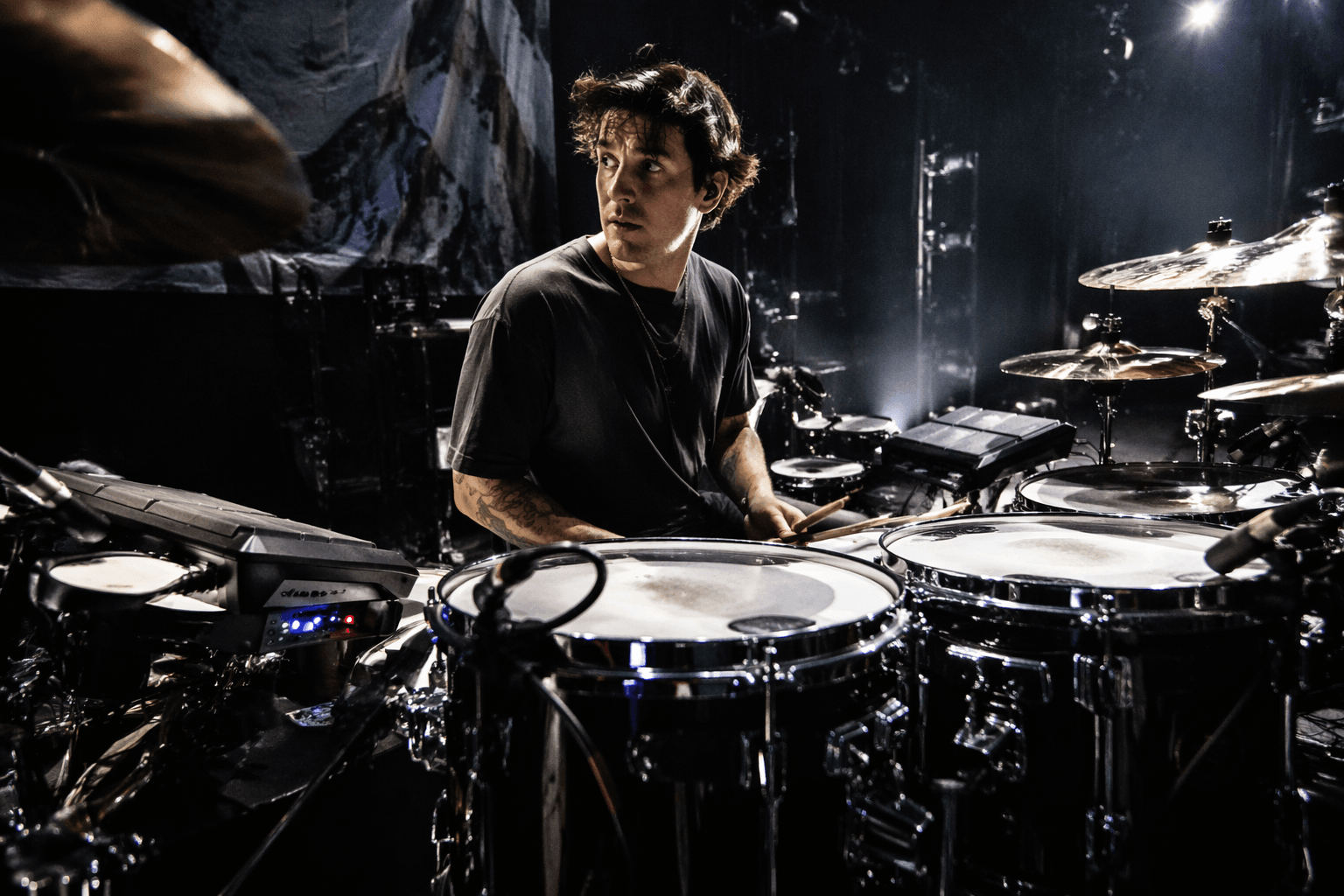
Drumming Communities Grow Online, Connecting Players Across Styles and Borders
Online drum rooms now do what rehearsal spaces once did: they connect players, teach technique, and keep the scene alive across styles, schedules, and borders.
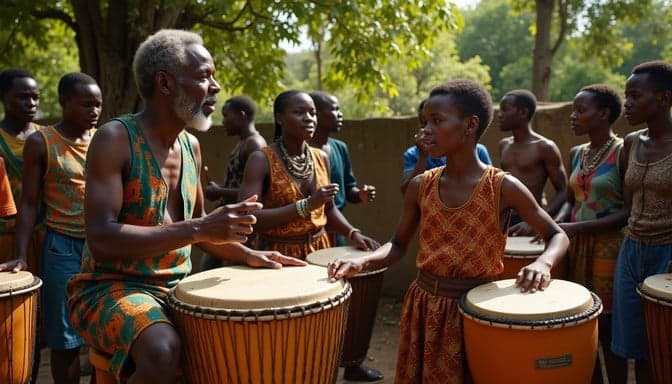
The drum scene no longer stops at the rehearsal room door
The smartest thing about online drumming communities is that they stopped acting like a backup plan. They are part of the scene now, sitting alongside local bands, school programs, and the old in-person hang. That shift matters because a drummer in one city can now compare tuning notes with a jazz player in another country, watch a clinic from a touring artist, and trade practice ideas with a beginner who is still learning to count time.
That is a bigger change than it first looks. Drumming has always been social, but the internet gave the community a way to stay active when the usual places are unavailable. A forum thread, a livestream clinic, a short social video, or a community-run rhythm event can all keep the conversation going even when the nearest serious drum room is hours away.
Why online spaces fit the way drummers actually live
Drummers do not move through the week on a clean, predictable schedule. School, work, touring, gigging, and family life break up practice time in messy chunks, and that is exactly why online touchpoints work so well. You do not need a full afternoon to benefit from the scene anymore. A quick livestream lesson, a clip from a clinic, or a discussion thread about stick choice or rudiments can fit into the cracks of a busy day.
That flexibility matters across the whole percussion world, not just for drum set players. Percussion reaches into marching programs, orchestral work, hand percussion, church music, funk, metal, jazz, Latin styles, and home recording. No single local scene covers all of that well, which is why online communities have become the bridge between styles, generations, and regions.
The formats that actually help
What works online is not abstract “engagement.” It is very specific, very usable material that meets players where they are.
- Feedback groups give you a place to post a groove, a fill, a chart read, or a practice clip and get real responses from players who know what they are hearing. That kind of exchange is especially useful when you need a second set of ears on timing, sound, or setup.
- Virtual shed sessions recreate the feel of a rehearsal-room hang without everyone having to live in the same city. You can swap exercises, watch each other work through coordination problems, and keep momentum going between gigs or lessons.
- Challenge communities keep people practicing when motivation starts to fade. A rudiment challenge, a month-long groove challenge, or a time-feel exercise gives players a shared target, which is often enough to turn a scattered practice routine into a habit.
- Teacher networks are the fastest path to structure. Beginners get a clearer path, while experienced players get new ideas without waiting for a major convention or festival. The value is not just instruction, but access to people who can show setup, technique, and maintenance habits in a way that is easy to revisit.
These formats are powerful because they do not ask you to choose between learning and belonging. They do both at once.
What online access changes for players outside the major hubs
For a drummer who does not live near a strong scene, the internet changes the math. You are no longer locked out of the same demonstrations, conversations, and habits that players in bigger music centers take for granted. That means a beginner can build a foundation with more structure, and an experienced player can keep chasing fresh ideas without waiting for the next convention weekend.
It also changes confidence. Watching professionals demonstrate how they set up, how they approach technique, and how they handle maintenance habits gives you a model you can actually copy. That matters when you are trying to solve the everyday stuff that shapes your sound: how your kit is arranged, how you approach time, how you practice, and how you keep your hands and feet consistent.
The online scene does not replace local playing, it extends it
Local bands and school programs still matter, and they should. Nothing fully replaces the feel of a real room when the count-off happens and the bass player locks in with you. But online communities solve the gaps that the old rehearsal-room model never covered well enough: distance, time, and style overlap.
A local rehearsal room usually serves one band, one city, and one sound. An online drum community can serve all of those at once. It can connect a funk player with a marching percussionist, a jazz student with a metal drummer, and a church player with someone deep into Latin grooves. That cross-pollination is where a lot of the value sits. The internet makes the drum world broader without making it shallower.
Why the scene keeps growing
The reason this keeps working is simple: drummers are drawn to communities that are easy to enter and useful fast. A good clip, a solid forum post, or a meaningful online hang can carry the same weight as a local clinic because it gives you something concrete to use right away. That is why these spaces keep spreading across ages, styles, and regions.
The larger result is a more visible, more connected culture. Players who once would have stayed isolated can now learn from one another, borrow from different styles, and stay involved even when life gets complicated. Online communities did not replace the drum scene. They made it reachable for a lot more people, and that is changing what it means to belong to it.
This article was produced by Prism’s automated news system from verified source data, official records, and press releases, then run through automated quality and moderation checks before publishing. The system is built and supervised by the people who set the standards it runs under. Read our full AI policy.
Did this article answer your question?