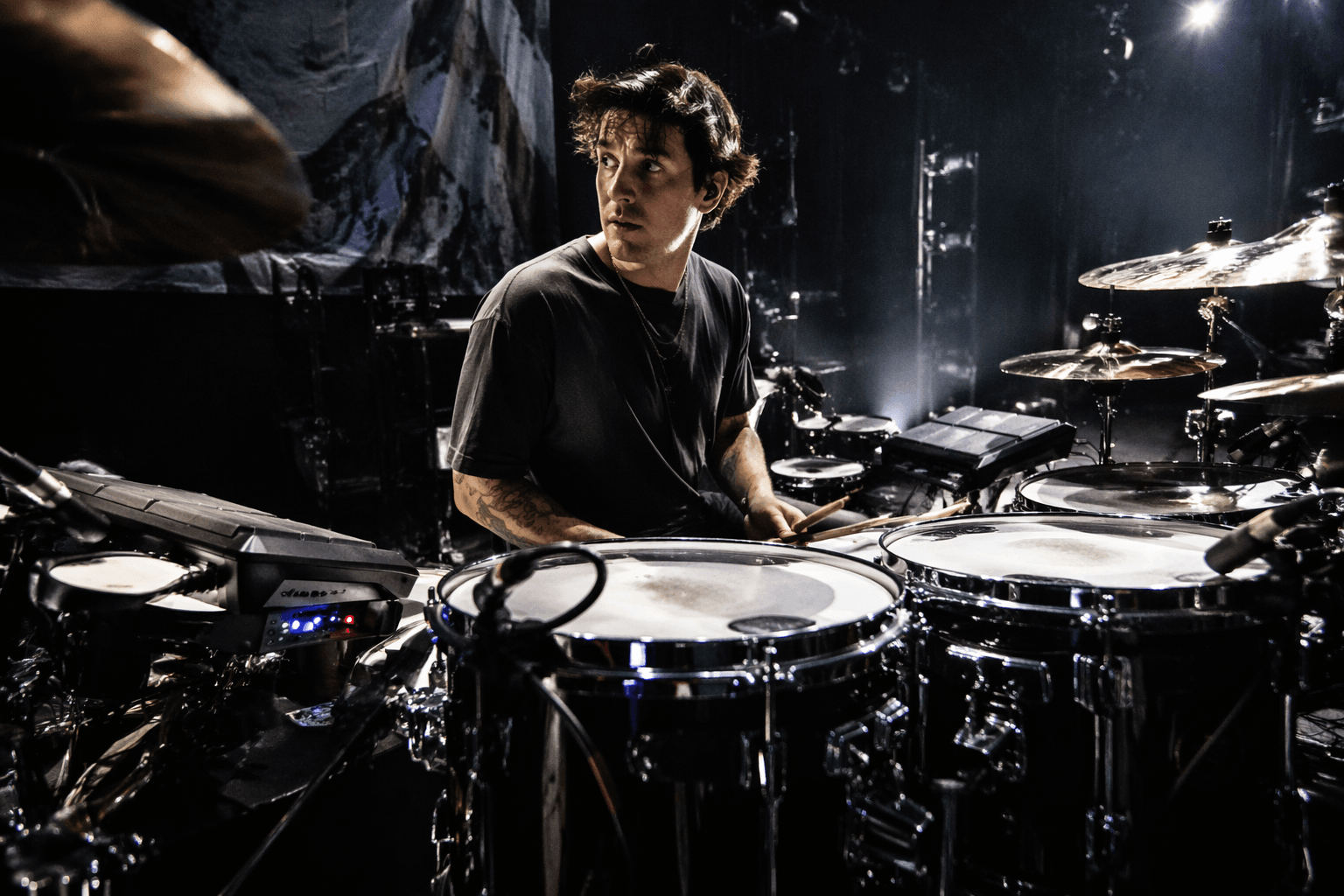
German police order protest drummers to stop synchronized beats
German police told protest drummers to break sync, calling the beat “too military,” and set off a bigger fight over when percussion becomes protected speech.
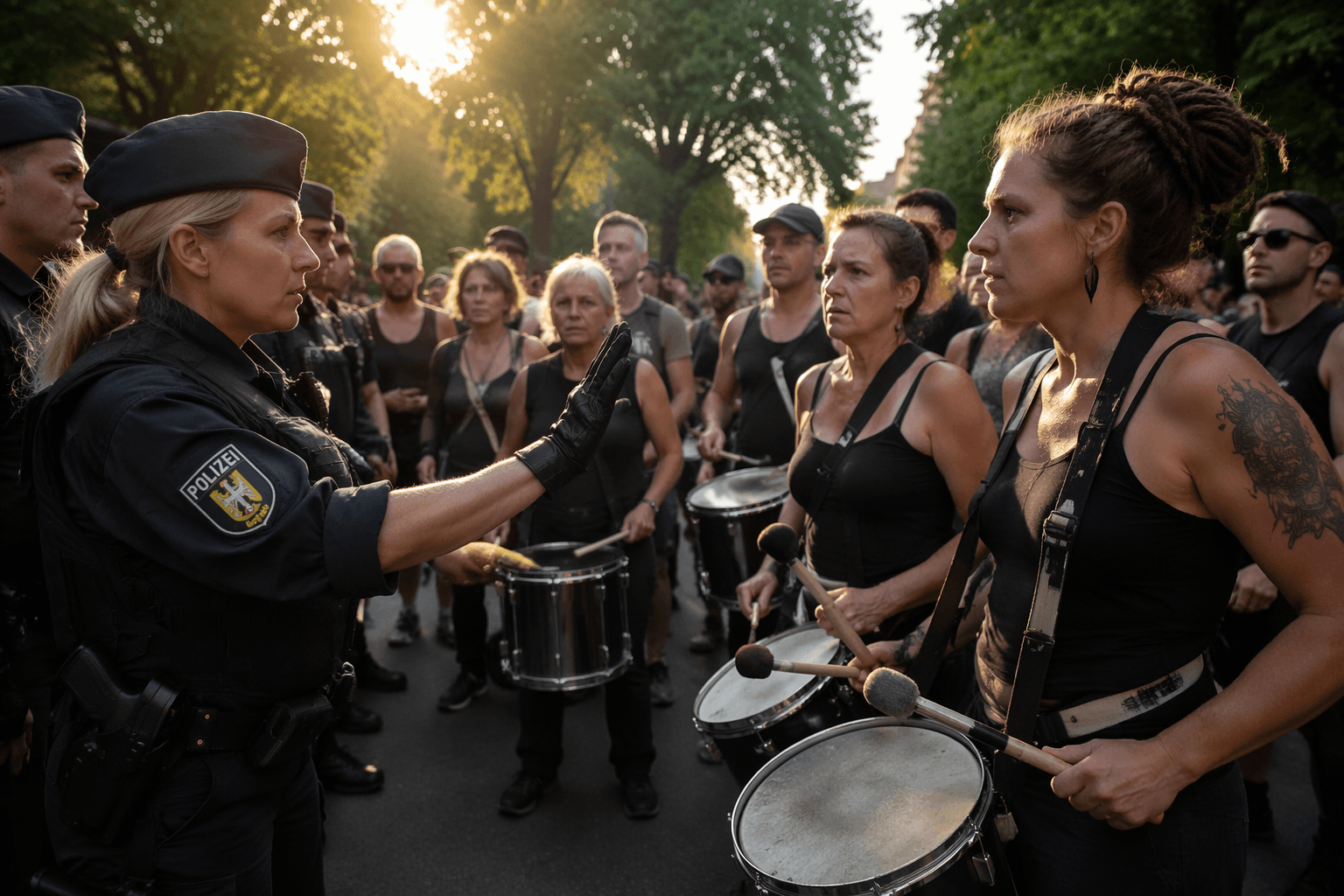
A line of protest drummers in Germany ran straight into the question every marching player understands: when does a tight ensemble groove read as music, and when does it get treated as a threat? Police at an anti-government demonstration ordered the drummers to disperse and stop playing in unison, saying the synchronized beats sounded “too military,” a move that immediately turned a street rhythm into a civil-liberties flashpoint.
The clash lands in a country where public protest is already watched closely. Berlin police keep a public registry of demonstrations and marches in the city, and that page is updated twice daily, a reminder of how much attention large assemblies receive. Human Rights Watch said in its 2025 World Report on Germany that authorities stifled civic space in 2024 by restricting freedom of expression, assembly and association. For drummers, that matters because the snare pattern, hand percussion and samba-style pulse are often part of how crowds organize themselves without turning confrontational.
That tension is not theoretical. Extinction Rebellion Germany describes samba drumming in protests as “tactical frivolity,” a phrase that captures why percussion shows up so often in marches: it keeps bodies moving, gives a crowd a pulse and can make a demonstration feel communal rather than aggressive. But in Germany, where police scrutiny of protest expression has also included restrictions at pro-Palestinian demonstrations in Berlin, including language-based limits reported in 2024 and 2025, even nonviolent sound can be read through a security lens.
The backdrop is also political. Germany has seen large protest waves over far-right extremism and, more recently, over military conscription and rearmament, which makes any march-like cadence more sensitive than it would be in a vacuum. In early 2026, tens of thousands of high school students took to the streets across the country to protest the return of military service. On December 5, 2025, the Bundestag approved a legal change requiring all 18-year-old men to fill out a questionnaire about their fitness and willingness to serve, while the form remains voluntary for women.
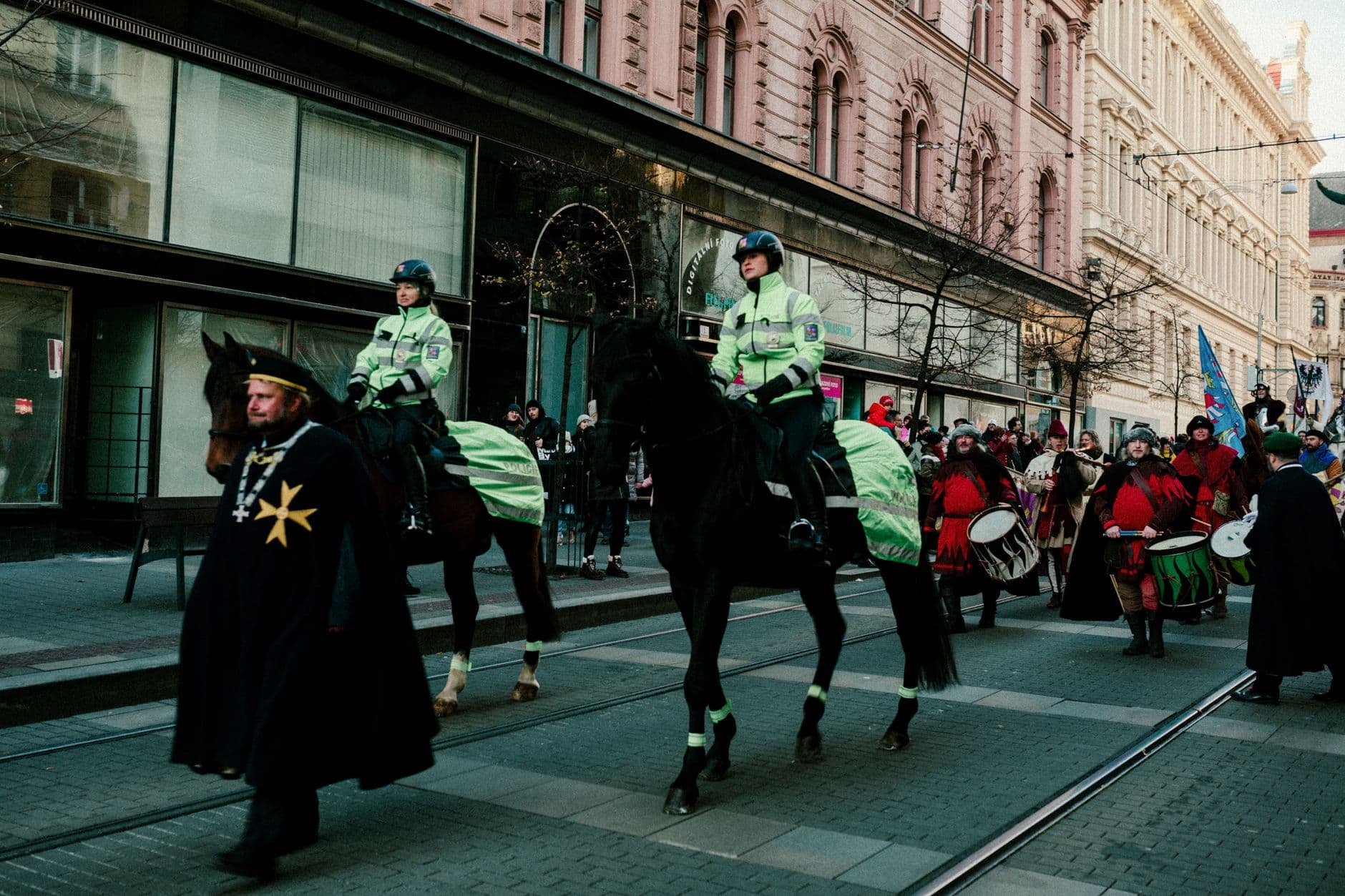
That is why the police order hit such a nerve: a collective beat is not just noise to people who play. It is coordination, emphasis and sometimes the easiest way for a crowd to stay together without shouting over itself. In Berlin, where demonstrations are tracked on a registry that updates twice daily, the line between protected expression and public-order concern is getting thinner, and protest drummers are feeling it first.
This article was produced by Prism’s automated news system from verified source data, official records, and press releases, then run through automated quality and moderation checks before publishing. The system is built and supervised by the people who set the standards it runs under. Read our full AI policy.
Did this article answer your question?