Dwarf Fortress gets official guidebook for new players and veterans
Dwarf Fortress finally has an official on-ramp: a 192-page guidebook and an expanding in-game tutorial. Together, they make the first fortress less like archaeology and more like onboarding.

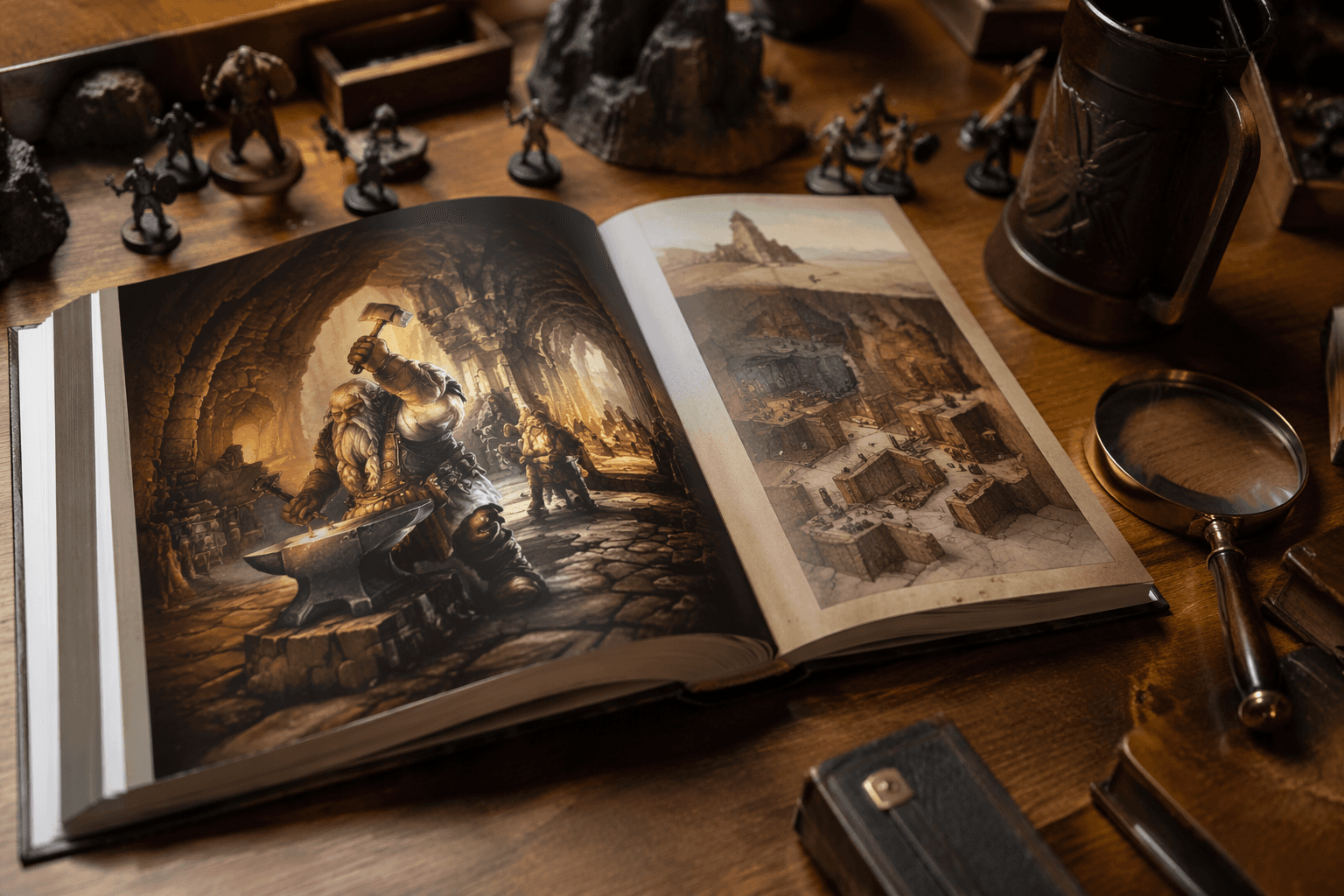
The Dwarf Fortress Guidebook is a 192-page, richly illustrated book by Kari Fry and Ryan Novak, and alongside Kitfox Games’ tutorial overhaul it gives the game something it has long lacked: a real first-hour path. The game now offers both a read-it-anywhere manual and an in-game teaching path for players who want to get past embark screen paralysis without living in the wiki.
The new official on-ramp
The Dwarf Fortress Guidebook is a 192-page, richly illustrated book by Kari Fry and Ryan Novak aimed at brand-new players who need to get their first fortress off the ground. In Dwarf Fortress, the game rarely fails at one simple system. It usually overwhelms players by stacking world generation, site choice, industry, food, mood, defense, and interface at the same time.
The book’s scope tracks that exact problem. It starts with witnessing the dawn of a new world, then moves into choosing an embark site, building a thriving industry no matter what materials are available, and keeping dwarves fed, clothed, happy, and inebriated. From there it reaches fortress defense, wind and water power, and the dangers and riches waiting deep below the surface. It also includes tips and information for experienced players who want to push their forts further.
What the guidebook solves better than the game
If your main problem is learning outside the game, the book is the cleaner answer. Dwarf Fortress has always been a title where the real challenge is understanding how its systems chain together, and a printed guide gives you something the simulation itself cannot: a stable reference you can keep open while planning a fortress, pausing to check a section on industry, defense, or underground hazards.
That makes the guidebook especially strong on survival basics and long-term planning. New players can use it to understand why feeding and clothing dwarves matters before the first crisis hits, while more experienced players can treat it as a structured refresher on power, production, and the deeper layers of fortresscraft.
The in-game tutorial is finally trying to teach the interface
Kitfox’s tutorialization work attacks a different pain point: the first minutes inside the simulation. Players placing a fort can now get an option that leads into a camera-controls tutorial. Tarn Adams said that comes first because Dwarf Fortress’s elevation-slice interface can be confusing for newcomers. That is a smart priority. If you cannot comfortably move the camera and read the world, you are not ready to think about workshops, stockpiles, or mining orders.
Once the camera basics are out of the way, the tutorial path expands into mining, woodcutting, stockpiles, and workshops. Kitfox had about 350 tooltips planned in the tutorial push, with more interactive help, goal guidance, and reminders for things players may have missed under consideration.
There is also a useful clue in the Steam patch notes from October 3, 2023. That update fixed a broken tutorial step on the click workshop stage and stopped tutorial prompts from appearing in tiny worlds where the tutorial was invalid.
The larger audience
Dwarf Fortress has been in development on and off since 2002 and consistently since 2006, so the arrival of official onboarding is a shift for a game long defined by community-made learning aids. The Steam version launched on December 6, 2022, and the audience that greeted it was far larger than the old fanbase of forum regulars and wiki editors.

Kitfox said the game sold 606,342 copies in its first two months on Steam, including about 5,000 on itch.io, against an internal expectation of roughly 160,000 units in that launch window. By April 2025, Kitfox announced Steam sales above 1 million copies. A bigger audience means more players hitting the same controls wall, the same labor assignment fog, and the same early collapse into tantrum spirals.
The guidebook also fits the publisher’s broader official-support push. Fangamer’s Dwarf Fortress merch launches have treated the book as part of the same ecosystem, not as a one-off novelty.
Who should use the tutorials, who should buy the book, and where both still leave gaps
If you learn best by doing, start with the in-game tutorial. It is the better choice for players who need help with camera controls, first embark decisions, and the basic loop of mining, woodcutting, stockpiles, and workshops. It is also the better fit if you want the game to teach you while you play instead of stopping to read.
If you prefer a reference you can absorb away from the screen, buy the guidebook. It is the stronger option for players who want a clearer map of the whole fortress arc, from world start to underground riches, and for veterans who want a structured refresher on industry, power, and defense.
This article was produced by Prism’s automated news system from verified source data, official records, and press releases, then run through automated quality and moderation checks before publishing. The system is built and supervised by the people who set the standards it runs under. Read our full AI policy.
Did this article answer your question?