Dwarf Fortress stress system explained, why happy dwarves can still break down
A happy fortress can still be one bad memory from collapse. Dwarf Fortress stress is the hidden simulation that turns routine tragedies into tantrum spirals.
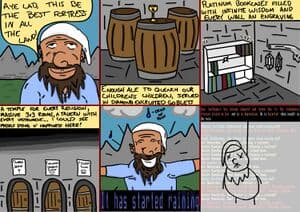
In Dwarf Fortress, a cheerful dwarf can still carry enough emotional damage to punch a wall, stop working, or break completely after the wrong memory resurfaces.
Stress is not the same thing as mood
The first mistake is treating stress like a mood meter. It is not. A dwarf can be happy yet unfocused, or unhappy yet still productive, because stress sits underneath visible behavior and keeps accumulating even when the fort appears stable.
The Dwarf Fortress Wiki lists short-term stress from -100000 to 100000. Long-term stress ranges from -50000 to 120000 and builds gradually from short-term stress. Long-term stress has visible thresholds too, with stressed at +25000, haggard at +50000, and harrowed at +100000.
Where stress actually comes from
Stress starts with experiences, not with some abstract moral score. Different thoughts have different strength, and that strength depends on how much time has passed and on the dwarf’s personality, so the same event can hit two dwarves very differently. Injury, death, destroyed masterworks, harsh punishments, and other ugly fortress moments all feed the system in ways that are easy to miss if you are only watching production numbers.
The game does not treat a bad memory as a one-time penalty. A recent emotion can linger, and even when nothing is happening, a dwarf can still relive a past experience. A fortress can keep hauling stone, smelting bars, and filling stockpiles while dwarves are still reliving past experiences.
Why memories keep hitting back
The current memory model makes stress feel less like a bar and more like a recurring injury. Each dwarf has eight short-term memory slots and eight long-term memory slots, and over a year they dwell on the eight events that evoked the strongest emotions. Those remembered moments can cause additional stress change, which is why one brutal season can echo long after the original crisis is over.
This is where the Thoughts and Preferences screen becomes indispensable. It shows recent emotions, and the downward red-arrow indicator is a warning sign because it means the dwarf is already sliding in the wrong direction. If you are seeing the same grief, rage, or humiliation come back again and again, the dwarf is still reliving that event and taking more stress change from it.
How a fortress starts to fail before it looks broken
A fort can still look functional while the population is quietly destabilizing. In Fortress Mode, excessive short-term stress can trigger temporary emotional breakdowns such as tantrums, depression, or oblivious wandering, while long-term stress can lead to insanity. Those are the visible end of a system that has been soaking up loss and replaying it for weeks or months.
Bay 12’s adventure text uses the phrase “tantrum spiral,” and it captures the way one breakdown feeds the next until the whole place starts eating itself. The danger is not just that one dwarf snaps; everyone who witnesses the chaos gets another stress event to store and revisit later.
What keeps stress from snowballing
The best fixes are boring, which is exactly what makes them effective. Memorials and burial rites for the dead matter because unresolved grief has to go somewhere, and high-quality personal belongings give dwarves something positive and specific to anchor themselves to. Decent food, steady alcohol access, and time away from grief triggers reduce the number of bad memories being refreshed every day.
You also want to keep trauma from becoming public theater. Unnecessary spectacle, repeated exposure to corpses, and other shared shocks give the whole fort fresh material to remember, which is how one disaster starts recruiting bystanders.
Nobles raise the stakes
Nobles make stress management nastier because hierarchy adds pressure to the usual mess. Tombs are a specific social tool, and nobles may demand their own tomb or react badly to inferior arrangements, so burial is not just a piety issue, it is a political one. If a high-status dwarf feels slighted in death, you have turned a basic recovery task into another stress source.
This article was produced by Prism’s automated news system from verified source data, official records, and press releases, then run through automated quality and moderation checks before publishing. The system is built and supervised by the people who set the standards it runs under. Read our full AI policy.
Did this article answer your question?