Dwarf Fortress guide explains how Mineral Scarcity shapes rich worlds
Mineral Scarcity is the hidden lever behind ore luck, and the difference between 50,000 and 100 can decide your first forge. Know the slider, and your embark stops feeling cursed.
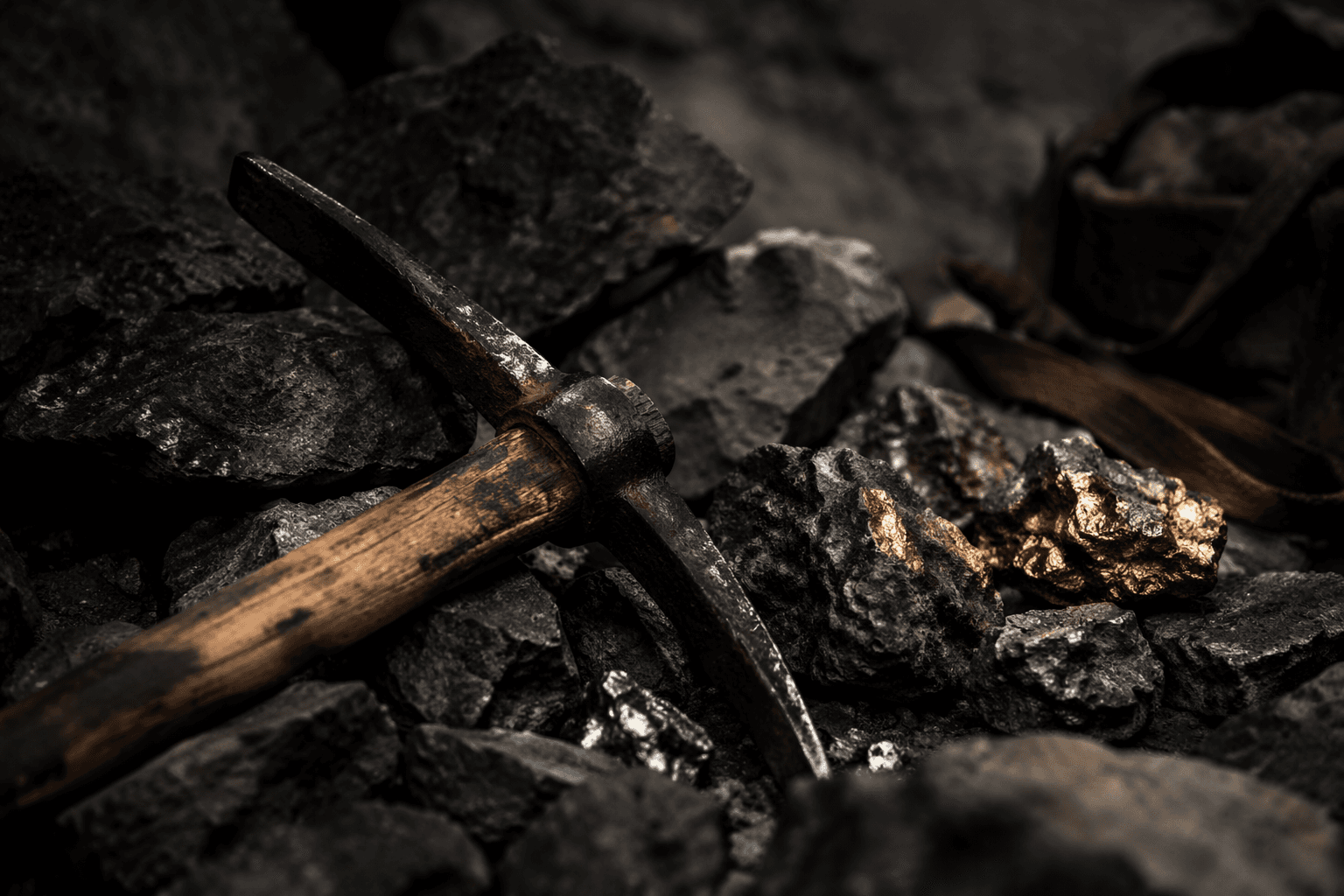
Mineral Scarcity is the world-generation lever in Dwarf Fortress that decides how common metal ores and gems are in the world’s geology. It changes what you can mine, smelt, trade for, and eventually wear into battle. Once you treat it as a geology setting instead of a vague difficulty tweak, the first year of a fortress gets a lot easier to read.
What Mineral Scarcity actually touches
World generation builds the geography, history, civilizations, and the background conditions that shape everything that happens after you load in. The wiki calls it “the heart of the game.” Mineral Scarcity sits inside Advanced world generation, also labeled detailed mode, which gives you far more control than basic worldgen does.
The slider does not just adjust how “rich” a world feels in the abstract. It changes the pool of ore and gem deposits that can appear, which means it shapes the raw materials available for your first industry chain and your later military gear. If you have ever sworn that a world seed was cursed, the more likely truth is that the geology was intentionally stingy.
How to read the preset values
The basic world generation labels map to very specific Mineral Scarcity values: Very Rare is 50,000, Rare is 10,000, Sparse is 2,500, Frequent is 500, and Everywhere is 100. Lower numbers mean richer worlds, with more ore types and more gem types showing up on the map. Higher numbers do the opposite, tightening the mineral diet even if the rest of the world looks perfectly generous.
A favorable embark on a sparse world may still only give you a handful of metal ore types, and the default can leave you with a maximum of 2 to 4 metal ores on a good embark location.
Why early fortress planning changes immediately
Each normal metal ore stone smelts into four bars of refined metal, so every ore vein is doing real economic work the moment you find it. If your world gen gave you only a narrow set of ores, your first forge choices, weapon plans, and armor ambitions need to follow that geology instead of fighting it.
On a richer world, you can afford to imagine broader industry, more experimentation, and a steadier path toward metal production. On a sparse world, you often have to build around whatever the local layer offers, because Dwarf Fortress does not yet fully simulate a mature trade economy that would let commerce erase every shortage.
Scarcity does not strand civilizations completely. The game preserves some baseline access to weapon-grade metals for civilizations, with caveats, so the world still functions even when the slider is set harshly.
Gems are part of the same bottleneck
Gems are tied into the same setting, and they matter because rough gems can be mined with a 100 percent success rate once you find them. After that, they can be cut into trade goods and encrustations, which makes them useful for wealth, decoration, and the kind of early-value spikes that can stabilize a new fortress.
The wiki lists 130 different kinds of gems, or 127 if glass types are excluded, and 5 percent of rough gems become a single craft or large gem.
Why the community keeps circling back to it
Bay 12 Games has an older bug tracker issue titled “Metal is scarce,” which shows that the mineral distribution problem has been on the community’s mind for a long time. The continued confusion makes sense, because the current wiki pages are partly migrated for the Steam and Premium version, and the advanced world generation system has existed in earlier forms across legacy versions.
Dwarf Fortress has been in development on and off since 2002 and consistently since 2006, while the team continues expanding systems such as diplomacy and trade.
This article was produced by Prism’s automated news system from verified source data, official records, and press releases, then run through automated quality and moderation checks before publishing. The system is built and supervised by the people who set the standards it runs under. Read our full AI policy.
Did this article answer your question?