Dwarf Fortress hospitals need supplies, doctors, and a chief medical dwarf
One untreated wound can wreck a fortress: a real Dwarf Fortress hospital needs a zone, supplies, doctors, and a chief medical dwarf.
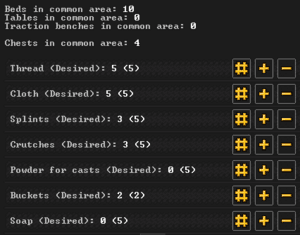
When the first badly injured dwarf hits the floor in Dwarf Fortress, a hospital is either a zoned room with beds, tables, traction benches, and chests, or just spare furniture. A death at that point is usually a planning failure, the moment you discover that a hospital is not optional furniture but a working chain of rooms, supplies, labor, and authority. If you want a fortress that can absorb a cave-in, an ambush, or a mining accident, the hospital has to exist before the blood hits the floor.
Build the room as a hospital, not as spare furniture
A hospital location lets wounded dwarves rest and receive treatment, but the zone only does its job when the right furniture is built inside it. Beds, tables, traction benches, and chests are the core pieces, and they only count when they sit in the hospital zone rather than somewhere nearby with good intentions attached. That is the first trap for new forts: a room full of furniture is not the same thing as a hospital, and the game treats the difference as life or death.
Once the zone is set, the room becomes the place where the medical workflow actually happens. A dwarf can be moved there, stabilized there, and kept there while the fortress deals with the mess the injury left behind.
Stock the supply chain before the injury arrives
The hospital requisitions a very specific list of supplies: thread, cloth, splints, crutches, plaster powder for casts, buckets, and soap. Cloth is the only material used as wound dressings, which makes fabric one of the most important medical resources in the fort even though it looks mundane next to steel and marble. Soap lowers infection risk and is used for cleaning wounds in hospitals, so a fortress that hoards food but neglects soap is asking for complications.
Gypsum plaster powder matters because it is used to make plaster casts that immobilize broken bones. The powder is produced with furnace operating skill, and bags of it are automatically stored in chests located in hospital zones, which means the chest is not just storage, it is part of the supply path. Buckets round out the basics, and the wound dresser also needs clean water, soap, and cloth.
Put the right dwarves in charge
The chief medical dwarf is an appointed noble position, and the hospital cannot function without that position assigned. That detail is easy to miss because the room can look finished long before the administration is ready, but Dwarf Fortress does not let a noble title be cosmetic. If the chief medical dwarf is missing, the whole system stalls.
Doctors do the work, but not all of it at once. They are assigned to diagnosis, surgery, setting bones, and the broader doctor role, and treatment begins only after a diagnostician has prescribed it. Wound dressers then clean wounds and apply bandages after suturing. The chain runs from diagnosis and prescription to treatment, cleanup, and recovery.
How a broken leg becomes a fortress problem
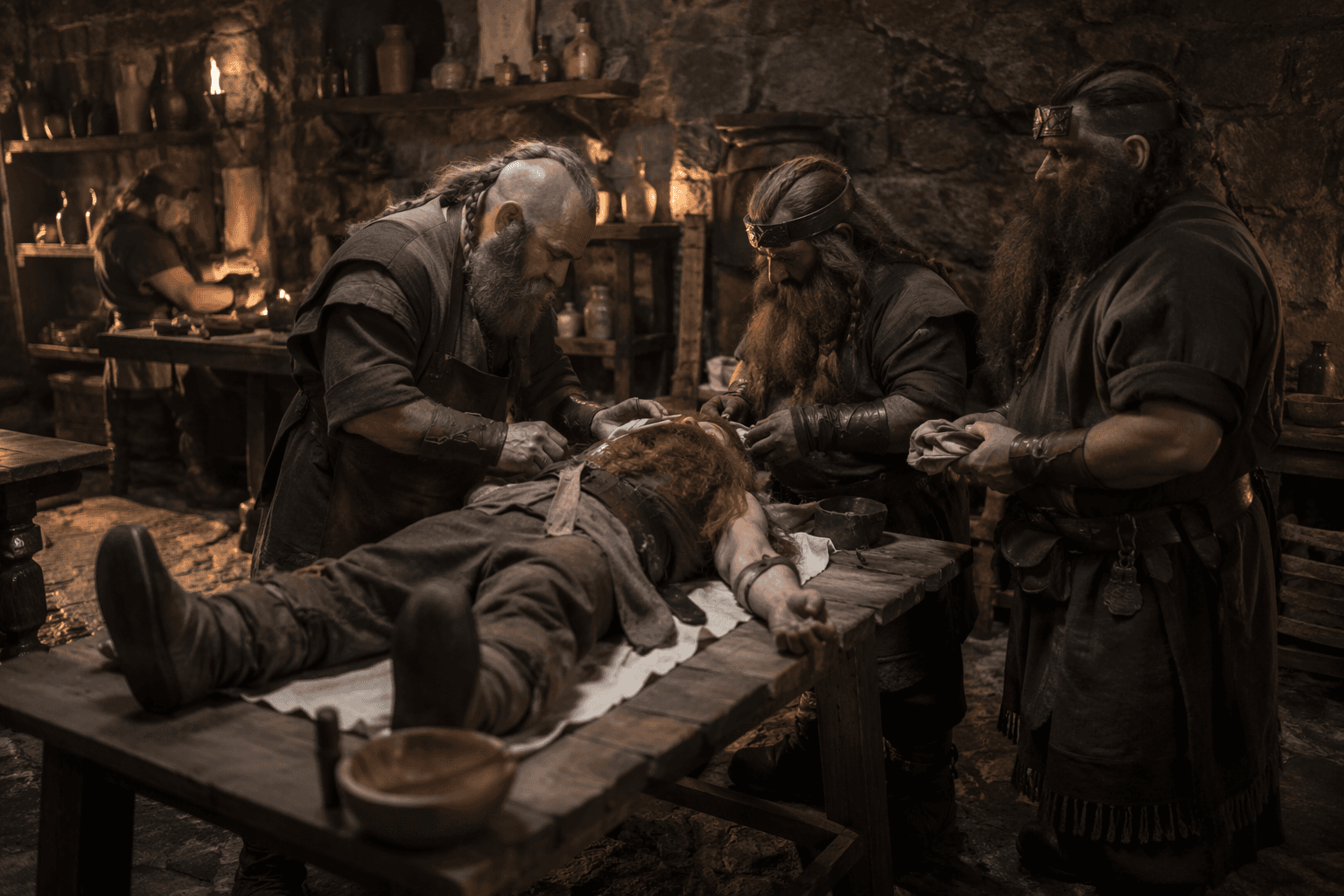
Dwarf Fortress injury handling is built to keep disasters alive, which is exactly why untreated wounds are so dangerous. The injury ladder runs from minor damage to inhibited function, then function loss, broken parts, and finally complete loss of a body part. That means a dwarf can survive damage that would be a simple game over in another title and still become a long-term burden if the hospital is not ready.
Legs and feet are especially unforgiving because they may need crutches to restore mobility. A miner with a broken leg is not just a patient, he is one more reason the fort’s hauling, digging, and defense plans start to sag.
The minimum viable hospital checklist
If you want the smallest setup that still works, build it in this order:
1. Zone a room as a hospital.
2. Put beds, tables, traction benches, and chests inside the zone.
3. Appoint a chief medical dwarf.
4. Assign doctors and a diagnostician.
5. Stock cloth, soap, thread, splints, crutches, plaster powder, and buckets.
6. Make sure gypsum plaster powder can be produced with furnace operating skill so casts can be made when bones break.
A room without a zone is just a room, a room without a chief medical dwarf cannot function, and a room without cloth or soap becomes a place where recovery takes longer than it should.
Older versions used the same medical hierarchy
Older v0.31 and v0.34 records already showed the same basic medical hierarchy and the same hospital logistics. The broader game has kept moving too: Dwarf Fortress reached Steam on December 6, 2022, Bay 12 Games released version 53.15 on June 25, 2026, and that update added 100 extinct creatures.
This article was produced by Prism’s automated news system from verified source data, official records, and press releases, then run through automated quality and moderation checks before publishing. The system is built and supervised by the people who set the standards it runs under. Read our full AI policy.
Did this article answer your question?