Dwarf Fortress trade lets you replace missing tools and goods
The first caravan fails when your depot is unreachable or your broker is unready. Set the route, train the appraiser, and trade turns into a lifeline.
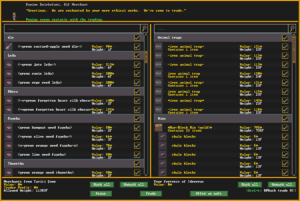
In Dwarf Fortress, the first caravan is where a brand-new fortress stops feeling self-sufficient and starts feeling alive. That usually happens in the first autumn after you found the site, when the dwarven caravan from your home civilization arrives with a chance to swap surplus for the things you forgot, lost, or never had the industry to make. Trade is not a bonus system tucked off to the side. It is how a fortress replaces missing tools, covers neglected workshops, and buys itself more freedom at embark.
Build the route before the bargain
The most common first-caravan failure is not bad prices, it is bad geography. A trade depot can be built from almost any building material, but it only matters if caravans can actually reach it, which means a wagon-accessible path from the map edge and enough space to make that route work. Older guidance puts a hard number on that margin: the depot should be at least 10 spaces from the edge of the map.
That distance sounds small until you are trying to fit it around trees, slopes, walls, or a fortress dug too greedily into the wrong hill. On heavily forested maps, the wagon route can become the entire puzzle, because a caravan that cannot roll in cannot trade at all. Once caravans are on the map, the route still matters, since they can turn back if they are frightened by wildlife, corpses, or enemies. A “safe trade route” is not an abstract best practice here, it is the difference between a functioning economy and a procession that gets spooked before it reaches your doors.
Security matters just as much as access. Older depot guidance treats thieves and goblins as reasons to protect the site, and that warning still makes sense if you have ever watched a vulnerable entrance turn a trade season into a raid season. You can build the depot outside first, but the safer long-term move is to bring it inside or fortify it so the caravan is serving the fortress instead of wandering through a liability.
Assign a broker, but do not let the office stop the trade
A broker is helpful, but the fortress does not actually require one to start trading. Any dwarf can serve as the fortress representative at the depot in a pinch, which is a relief the first time your appointed broker is asleep, injured, or buried under more urgent labor than paperwork. At the depot, you can also set it so only the broker may trade with visiting caravans, which gives the job a cleaner division of labor once the fortress is stable enough to support it.
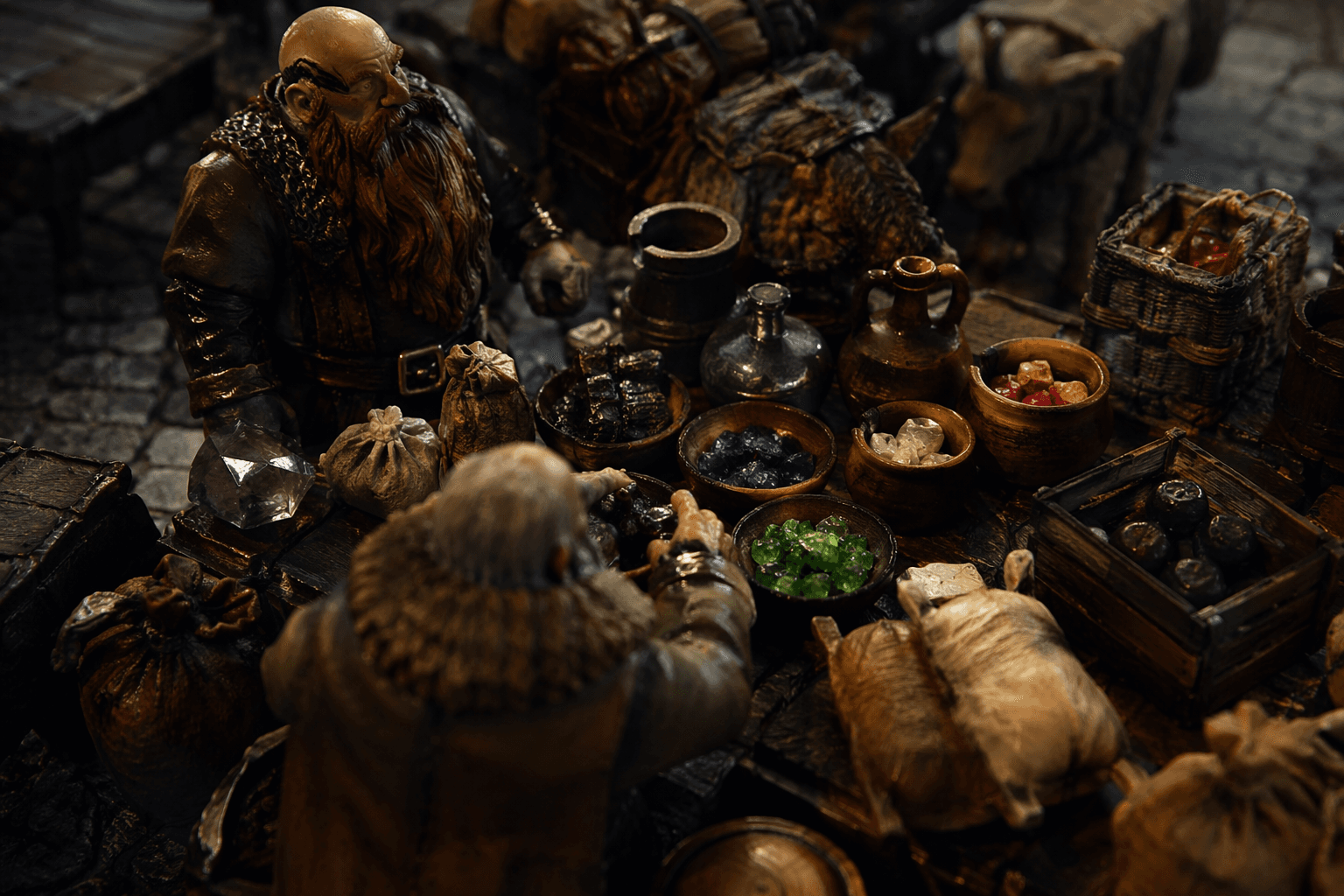
The broker’s real value shows up the first time the trade window opens. That is when appraiser skill comes online, and once it does, item values can be displayed at the depot. Over time, that makes trading faster and more accurate, because the person handling the bargain gets better at reading what each crate, barrel, or finished good is actually worth.
That matters because the first caravan is rarely about perfection. It is about getting the fortress through gaps in its own production chain, and the broker is the one who turns a pile of surplus into a usable exchange. If you are still using a temporary stand-in, the trade can still happen. The important part is not the title on the job list, it is getting someone to the depot when the caravan arrives.
Bring exports that solve real problems
Trade is most useful when you stop thinking of it as a shop and start thinking of it as a recovery tool. It lets you trade excess goods for missing tools, materials, and other items that are hard to produce quickly, and that changes how you plan your embark from day one. Missing equipment does not have to be a permanent weakness if you are willing to produce something the mountainhome wants in return.
That is what makes trade such a strong answer to an incomplete fortress. If you neglected a material, skipped a workshop chain, or lost a tool to a bad year, caravans can cover the gap. The system also gives you more freedom at embark, because items you did not bring and industries you did not rush can sometimes be acquired later through commerce instead of being mandatory from the start.
The trick is to think in terms of value and usefulness together. Your exports should be the things your fortress can spare, while your imports should patch the holes that would otherwise slow everything down. Once the broker can read item values at the depot, you are no longer guessing blindly at what the caravan might accept. You are negotiating from a clearer picture, which is a big step up from dumping random stockpiles on the floor and hoping for the best.
Read the calendar like a siege warning
The caravan schedule is as important as the bargain itself. Dwarven caravans arrive in autumn, human caravans in summer, and elven caravans in spring, with no race trading in winter. That seasonal rhythm turns trade into a recurring fortress pulse, not a one-time event, and it means you should know when your site is likely to see friends, merchants, and hauling animals on the horizon.
The caravan does not linger forever either. Merchants and their animals eventually leave after roughly 25 to 33.33 days, and if you block them from exiting, they can go insane. That is a brutal reminder that the depot is not just an entrance for profit. It is also an exit route you have to respect.
Trade can also become a diplomatic side effect. If you make contact with another civilization by demanding tribute, that civilization may later send a caravan too. In Dwarf Fortress, the road to a fuller market often runs through contact, pressure, and the messy aftermath of first impressions.
Let the first caravan shape the rest of the fortress
The first-year dwarven caravan does more than bring goods. Its report can affect later immigration, which ties trade directly to population growth. If that first caravan does not arrive, or if it does not leave the map alive, immigration can be seriously harmed. That means the depot is carrying more than loot and supplies, it is carrying the fortress’s reputation for being a place worth joining.
That is why the first autumn caravan is such a good test of a new settlement. If the depot is reachable, the route is safe, the broker is ready enough to stand in, and the goods on offer solve real problems, then trade stops being a confusing menu and becomes one of the strongest survival tools in the fortress. The first caravan fails when you treat it like a bonus. It succeeds when you build for it like the yearly lifeline it is.
This article was produced by Prism’s automated news system from verified source data, official records, and press releases, then run through automated quality and moderation checks before publishing. The system is built and supervised by the people who set the standards it runs under. Read our full AI policy.
Did this article answer your question?